The most costly rural tourism problems usually come from weak safety planning, unclear capacity limits, and poor communication when weather or schedules change.
Start by defining what your team can reliably manage, then compare the value of booking tools, insurance coverage, local operators, and other outside support.
Rural experiences succeed when they feel local and personal without leaving visitors uncertain about where to go, what is included, or what happens if conditions change.
An internal team may be enough for a simple, low-volume program with dependable partners. More complex activities, seasonal events, and transport-dependent itineraries often justify comparing external service quotations.
The goal is not to outsource everything, but to pay for support where it reduces operational risk or protects the visitor experience.
At a Glance
- Safety, capacity, and clear communication should be settled before promotional activity begins.
- Internal planning works best when schedules, partner roles, and visitor volume remain manageable.
- Compare outside providers by scope, cancellation terms, coverage limits, response support, and total service fees.
| Decision Area | Internal Planning | External Tourism Service |
|---|---|---|
| Control | High control over messaging, schedules, and guest contact. | Control depends on the service agreement and provider scope. |
| Workload | Your team manages bookings, changes, partner follow-up, and visitor questions. | Work can be shared with guides, operators, booking-platform providers, or marketing agencies. |
| Main Risk | Missed details when staff time or operational experience is limited. | Unclear scope, added fees, or a provider that does not understand local conditions. |
| Typical Cost Drivers | Staff time, communication tools, payment handling, training, and administration. | Service scope, season, location, supplier terms, coverage, transport, and contingency support. |
| Best Fit | Simple programs with stable schedules and reliable local partners. | Complex itineraries, outdoor activities, event programs, or periods of changing demand. |
The Core Challenges Behind Rural Tourism Projects
Rural tourism planning is often difficult because the experience is built around real places, real people, and changing local conditions. A farm, village, trail, market, or workshop may be highly appealing to visitors, but it also has limits that a standard city tour may not face. The central task is to protect the local character of the experience while creating an operation that is understandable, safe, and repeatable.
Balancing Authentic Local Experiences With Reliable Visitor Operations
Visitors may want direct contact with farming, food, nature, and local culture. However, an authentic experience should not depend on vague instructions or last-minute improvisation. Define the arrival point, start time, activity sequence, included items, restrictions, and contact method before accepting bookings. A program can remain flexible in tone while still using a clear operating plan.
For example, a hands-on farm activity may need a simple visitor briefing, a waiting area, a weather alternative, and a clear boundary between guest spaces and working areas. The details should match the actual site. Do not promise access, comfort, or activity outcomes that the operator cannot consistently provide.
Why Seasonal Demand Makes Staffing and Cash-Flow Planning Difficult
Demand may change with weather, harvest periods, school calendars, local events, and travel patterns. This makes it harder to decide how many staff members, guides, transport arrangements, or customer-service hours are needed. A quiet period can make fixed commitments feel expensive, while a busy period can expose gaps in capacity and communication.
Use a planning approach that separates essential operating capacity from optional expansion. Keep basic visitor communication and safety responsibilities covered first. Add extra guides, event staff, paid marketing support, or transport capacity only when the expected workload and supplier conditions are understood. Demand and visitor spending should be assessed with local market information rather than assumed.
Three Immediate Priorities: Safety, Capacity, and Clear Communication
Before refining brand design or advertising, answer three questions. Can the activity be delivered safely? Can the site handle the intended group size? Can visitors understand the plan without calling repeatedly for clarification? These priorities reduce avoidable complaints and protect the reputation of the destination.
Safety includes activity instructions, site conditions, emergency contacts, supplier responsibilities, and applicable insurance questions. Capacity includes parking, toilets, seating, guide availability, activity space, and transport timing. Communication includes booking confirmation, meeting-point directions, clothing or equipment guidance, and change notices. Local licensing, accessibility, zoning, food-service, and insurance requirements must be checked for the relevant jurisdiction.
Compare Internal Planning and External Tourism Services
The decision is not simply “do it yourself” or “hire an agency.” A better question is which tasks create the greatest operational pressure for your team. Keep local storytelling and partner relationships in-house when they are a core strength. Consider paid support when the task requires systems, specialist coverage, or rapid response that the internal team cannot reliably provide.
When an Internal Team Can Manage Bookings, Schedules, and Partners
Internal planning may be suitable when the program has a limited number of activity types, dependable hosts, and a schedule that does not change often. A small team can manage reservations, visitor messages, and partner coordination if one person clearly owns each task. Written checklists are useful even for a small operation: confirm guest details, send directions, verify partner readiness, and record any changes.
An internal model is weaker when the same person is expected to sell the program, answer visitor messages, guide the experience, solve transport issues, and manage emergencies at the same time. In that case, the apparent savings may be offset by delayed responses or inconsistent delivery.
When to Request Quotes From Guides, Event Operators, Marketing Agencies, or Booking-Platform Providers
Request quotations when a service can reduce a specific and recurring risk. A local guide may help where interpretation or group management is demanding. An event operator may be useful when multiple suppliers must work on the same day. A tourism management software provider or booking system may help when manual reservations create double-booking risks or slow communication. A marketing agency may be worth comparing when your team has a clear target audience but lacks the time or skills to run campaigns consistently.
Ask each provider what is included and what remains with your team. A lower initial quote may exclude customer support, setup work, cancellations, reporting, payment processing, or on-site coordination. Compare the total service scope rather than one headline fee.
Comparison Table: Workload, Control, Risk, Service Scope, and Cost Drivers
Use the table above as a first filter. If the main problem is unclear internal ownership, a new vendor may not solve it. If the problem is technical booking management, specialist insurance questions, seasonal event logistics, or professional campaign execution, an external provider may offer practical value. The strongest arrangement is often a hybrid: internal ownership of the local experience, supported by selected outside services.
Operational Problems That Commonly Affect Visitor Satisfaction
Visitors rarely judge operations as separate pieces. A missed pickup, unclear meeting point, or late weather notice can affect their view of the whole experience. Small failures often become larger because the visitor does not know who is responsible for the next step.
Incomplete Itineraries, Unclear Meeting Points, and Transport Gaps
An itinerary should explain the visitor journey from arrival to departure. Include the meeting location, timing, expected travel between stops, contact method, and what the visitor needs to bring. If transport is not included, state that clearly. If a local provider handles transport, confirm who communicates delays and who assists visitors if the plan changes.
Do not rely only on local familiarity. A meeting point that seems obvious to residents may not be obvious to first-time visitors. Test directions from the perspective of someone arriving by car, public transport, or a pre-arranged transfer.
Weather Contingencies and Realistic Cancellation Policies
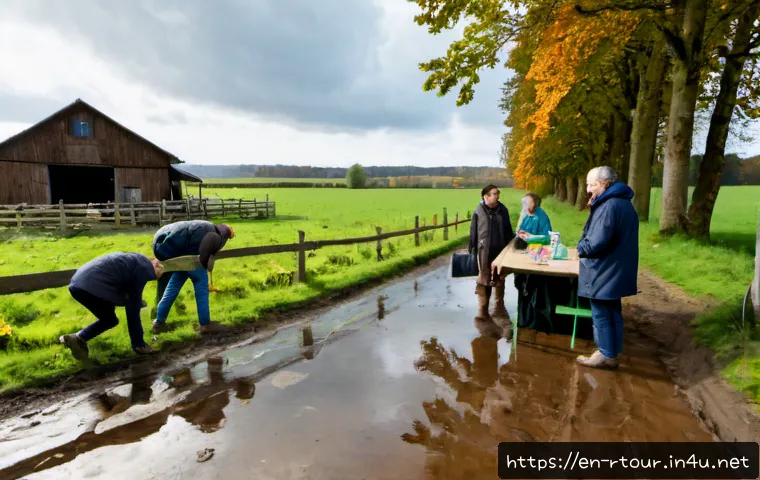
Weather is not a minor detail for outdoor rural tourism. It can change access, comfort, safety, timing, and the availability of activities. Create a simple decision process: identify the conditions that trigger a change, decide who makes that call, prepare an alternative where possible, and tell visitors how they will be notified.
A cancellation policy should be understandable before payment or confirmation. Avoid language that sounds flexible but gives no real guidance. The appropriate terms depend on the activity, location, supplier agreement, and applicable rules. Review cancellation responsibilities with guides, transport providers, venues, and booking-platform providers before launch.
Safety Briefings, Capacity Limits, and Supplier Coordination
A short briefing can prevent confusion, especially for farm work, cooking, trails, water-adjacent areas, animal contact, or temporary event sites. Explain the relevant rules in plain language. Staff and suppliers should know the maximum group size, the timing of each handoff, and the escalation contact if something is not ready.
Capacity is more than ticket availability. It includes the ability to supervise guests, keep shared areas usable, manage arrivals, and maintain the quality of the experience. Do not increase bookings solely because there appears to be physical space.
Avoiding Overpromising in Promotional Content
Promotional content should show what the project can regularly deliver, not only its ideal day. Be careful with seasonal scenery, food presentations, animal encounters, transport ease, and activity access. If something depends on weather, harvest conditions, host availability, or local events, explain that it may vary.
Honest content can still be persuasive. Focus on the character of the place, the type of participation visitors can expect, and the practical information needed to decide whether the program fits their needs.
Planning by Project Type and Local Conditions

Different rural tourism formats create different operational pressures. A useful plan starts with the visitor journey and then adds the specific risks of the site, season, partners, and activity type.
Farm Stays and Hands-On Agricultural Experiences
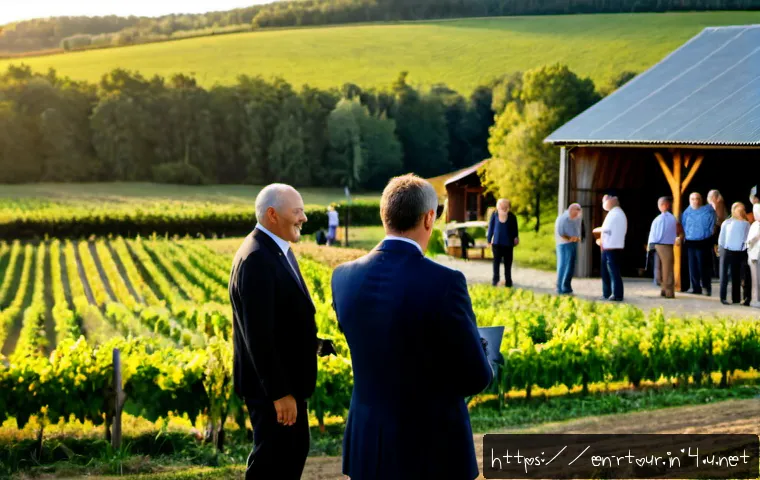
Farm stays require careful separation between guest areas and working areas. Consider check-in communication, accommodation expectations, shared-space rules, activity timing, and procedures for changes in farm operations. For hands-on experiences, define what visitors may do, what they may observe, and when an activity may need to be adjusted.
Where food is served or prepared, local food-service requirements should be verified. Where animals, equipment, or uneven surfaces are present, confirm appropriate safety practices and insurance considerations with qualified local sources.
Small-Group Village, Food, and Cultural Tours
Small groups can create a more personal experience, but they depend heavily on punctual partner coordination. Confirm opening times, host availability, group size expectations, payment responsibility, and visitor etiquette with each stop. A local food or cultural tour should not place unexpected pressure on residents or small businesses.
Use one itinerary owner. That person should know who confirms the group, who handles late arrivals, and what changes are possible if a planned stop becomes unavailable.
Outdoor and Nature-Based Activities With Higher Weather Exposure
Nature-based activities need a more explicit contingency plan because conditions can affect access and safety. Review route conditions, meeting logistics, communication coverage, guide responsibility, participant expectations, and weather-related alternatives. The exact legal, insurance, and safety requirements vary by jurisdiction and activity.
For these programs, a specialist guide or outdoor operator may be a sensible comparison point if your internal team does not have the necessary operational capability. Compare provider experience, emergency procedures, coverage limits, and cancellation support.
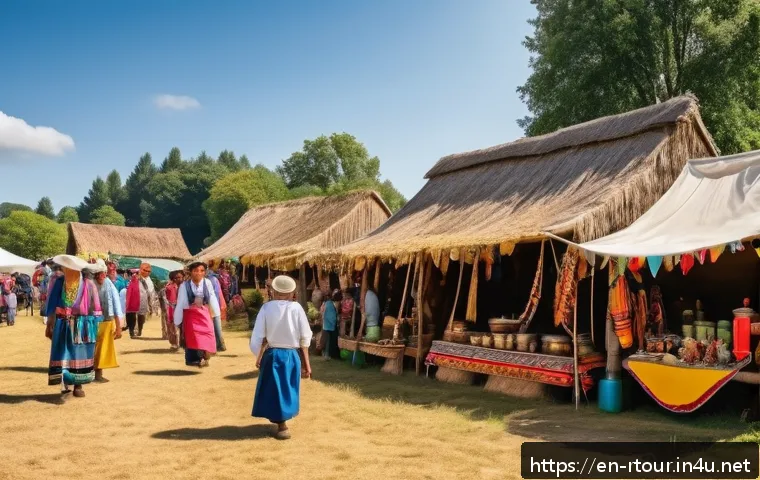
Seasonal Festivals, Markets, and Temporary Event Programs
Temporary events bring together vendors, visitors, local authorities, volunteers, performers, and service providers. The challenge is often coordination rather than creativity. Build a written run sheet covering setup, visitor flow, signage, waste handling, weather actions, vendor communication, and end-of-day responsibilities.
Temporary programs can also create reputation risk if visitors receive unclear information about access, parking, schedules, or cancellations. Confirm relevant permissions and local requirements early, since they may differ by location and event format.
Budgeting for Tools, Vendors, and Risk Management
A rural tourism budget should not focus only on visible items such as promotion or activity supplies. Operational resilience also has value. A plan that cannot communicate changes, handle payments clearly, or support visitors when a supplier is delayed may cost more in staff time and lost trust than expected.
Cost Categories That Are Often Missed in Early Plans
Early budgets can overlook staff coordination time, booking administration, payment processing, visitor communications, signage, transport changes, training, contingency arrangements, supplier cancellation terms, and post-event follow-up. These are not necessarily separate purchases, but they should be assigned to a person, tool, or vendor.
Actual costs vary by location, scale, season, and supplier terms. Instead of using assumed figures, list each required function and request comparable scopes from relevant providers.
Evaluating Booking Software, Payment Tools, and Customer Communication Systems
A booking system is useful when it reduces manual work or improves the visitor experience. Compare whether it handles availability, confirmations, payment steps, cancellation workflows, staff access, and customer messages in a way that fits your operation. A complex tourism management software package may not be necessary for a small, stable program. Conversely, a simple manual process may become risky when several partners, time slots, or activity types are involved.
Check setup requirements, service terms, data handling, customer support, and any fees connected to payments or reservations. The best system is the one your team can maintain consistently, not simply the one with the longest feature list.
Reviewing Insurance, Contractor, and Cancellation Terms Before Launch
Insurance coverage, contractor responsibilities, and cancellation terms should be reviewed before public launch rather than after a disruption. Ask what activities are within scope, which parties are responsible for what, and what records or operating procedures may be required. Do not assume one policy or supplier agreement covers every partner or activity.
For contracts with guides, event operators, transport providers, or marketing agencies, clarify deliverables, communication expectations, change procedures, and payment conditions. Seek appropriate professional or local guidance where legal, insurance, or regulatory questions apply.
Selection Criteria and Comparison Summary
Before choosing a provider or deciding to keep work in-house, check the following points:
- Scope: What exact tasks, support periods, and deliverables are included?
- Local knowledge: Does the provider understand the site, seasonal conditions, and visitor journey?
- Response support: Who handles urgent changes, visitor questions, or supplier failures?
- Terms: Compare cancellation terms, coverage limits, responsibilities, and total service fees.
- Internal fit: Can your team provide the information, approvals, and daily oversight the provider needs?
Compare provider scope, cancellation terms, coverage limits, and total service fees before making a final commitment. Official service pages and detailed contract documents are the right place to confirm current conditions.
Closing Thoughts
Rural tourism does not need to be over-engineered, but it does need dependable fundamentals. A clear visitor journey, realistic capacity, and prepared responses to weather or partner changes can protect both the guest experience and the local community. Keep the work that reflects local knowledge close to the project. Bring in outside booking, insurance, marketing, guide, transport, or event support when it solves a defined operational gap.
Useful Things to Know
First: Write the visitor journey before selecting software or advertising channels. Second: Assign one owner for each handoff between partners. Third: Treat weather messaging and cancellations as part of the product, not an afterthought. Fourth: Review actual provider terms rather than relying on general assumptions.
Important Notes
This is general guidance only. Licensing, zoning, accessibility, food-service, insurance, and safety obligations differ by jurisdiction. Service costs, demand patterns, supplier availability, and the responsibilities of a tourism planning agency vary by project. Confirm local requirements and contract terms before launching or changing a program.
Frequently Asked Questions
Q1. What are the biggest operational risks in rural tourism planning?
A1. Common risks include unclear visitor instructions, weak capacity control, weather disruption, incomplete safety planning, transport gaps, and poor coordination between suppliers. The most practical first step is to map the full visitor journey and assign responsibility for every major handoff.
Q2. When is it worth paying for a booking system or an outside tourism operator?
A2. It may be worth comparing paid options when manual bookings create confusion, when several partners or time slots must be coordinated, or when your team cannot provide reliable visitor support. Compare provider scope, cancellation terms, coverage limits, response support, and total service fees before deciding.
Q3. How should a rural tourism project budget for weather cancellations, insurance, and seasonal staffing?
A3. Start by listing the functions that must still work during disruption: visitor communication, supplier coordination, safety decisions, refunds or changes under your terms, and staffing coverage. Costs and requirements vary by location, activity, season, and agreement, so use local market data and provider quotations rather than assumed figures.