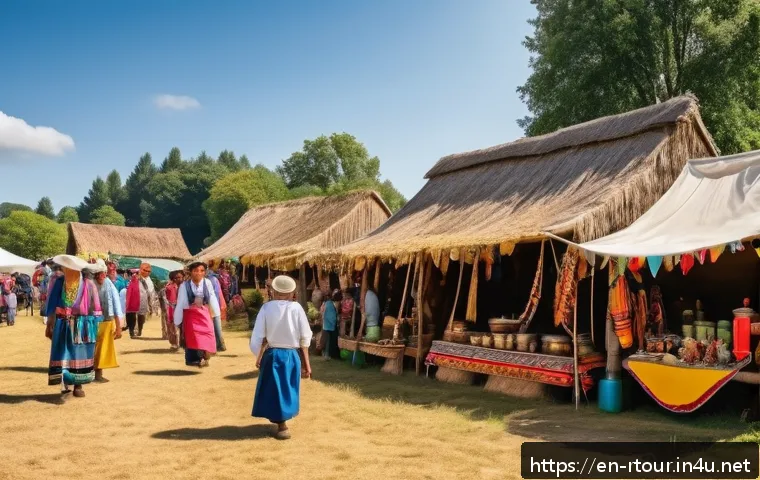
Lately, more professionals are eyeing rural tourism planning as a fresh and rewarding career path, especially with the growing demand for authentic, sustainable travel experiences.
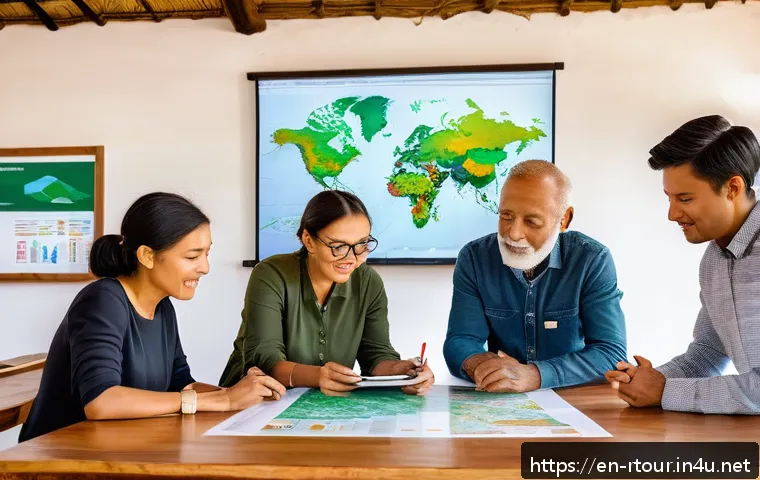
If you’re contemplating a switch, you’re not alone—and the timing couldn’t be better. This shift not only offers a chance to reconnect with nature but also to impact communities positively.
In this post, I’ll share insider strategies that have helped many successfully navigate this transition. Whether you’re seeking practical tips or inspiration, stick around to discover how to make your move into rural tourism planning both seamless and fulfilling.
Understanding the Core of Rural Tourism Planning
Getting to Know the Community’s Unique Story
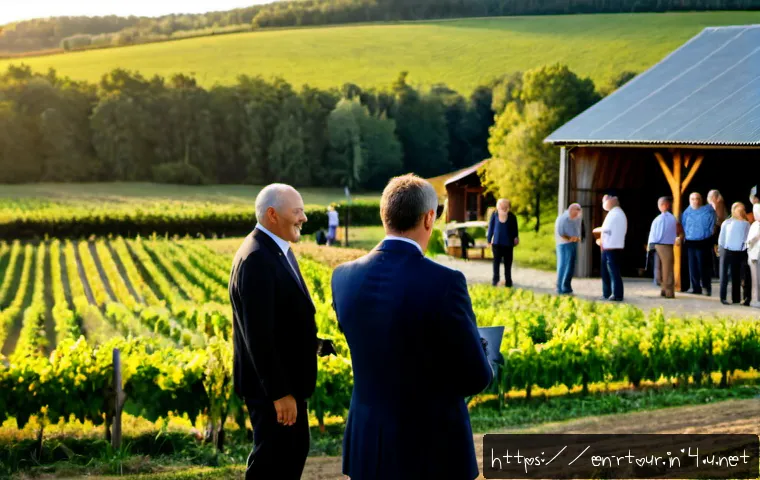
Diving into rural tourism planning starts with immersing yourself in the local culture and history. The charm of rural destinations often lies in their stories—whether it’s traditional crafts, indigenous foods, or seasonal festivals.
I found that spending time chatting with local residents and participating in community events not only builds trust but also uncovers hidden gems that travelers crave.
This approach helps craft experiences that feel genuine rather than manufactured, which today’s eco-conscious tourists highly value. It’s not just about sightseeing; it’s about weaving the traveler’s journey into the fabric of everyday rural life.
Balancing Preservation with Visitor Experience
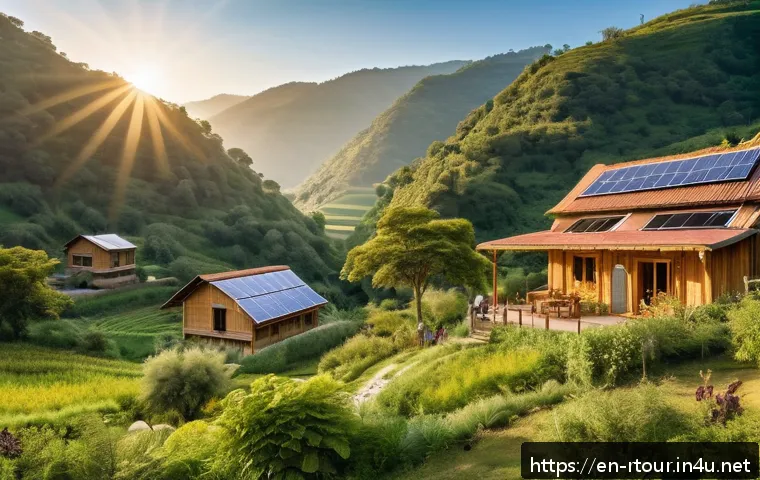
One of the trickiest parts I’ve encountered is maintaining the delicate balance between promoting tourism and preserving the environment and culture. Rural areas often have fragile ecosystems and tight-knit communities that can be overwhelmed by sudden visitor influxes.
Effective planners must develop strategies that control visitor numbers, promote responsible behavior, and involve locals in decision-making processes.
When done right, this balance ensures that tourism benefits everyone without sacrificing the authenticity or sustainability of the destination.
Building Partnerships for Long-Term Success
No one can do this alone. Establishing strong partnerships with local governments, businesses, and community groups is crucial. These collaborations provide access to resources, funding, and on-the-ground insights that are invaluable.
In my experience, forming advisory committees or working groups that include diverse stakeholders leads to more resilient and adaptable tourism plans.
Plus, these partnerships often open doors to grants or joint marketing opportunities that amplify the project’s reach.
Crafting Practical Skills for Your New Role
Mastering Project Management and Communication
Rural tourism planning is as much about managing projects as it is about creativity. Getting comfortable with scheduling, budgeting, and stakeholder communication is essential.
When I transitioned, I took online courses in project management tools like Trello and Asana, which helped me keep track of timelines and responsibilities.
Also, effective communication—whether through presentations, reports, or community meetings—is key to aligning everyone’s expectations and securing buy-in for initiatives.
Learning to Use GIS and Data Analytics
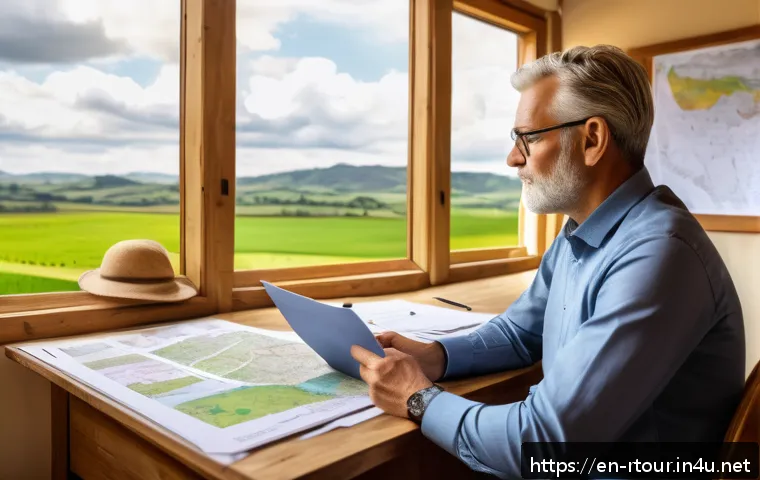
Geographic Information Systems (GIS) and data analytics might sound technical, but they’re game-changers for understanding visitor flows, mapping attractions, and planning infrastructure.
I remember the first time I used GIS software to visualize how foot traffic impacted a nature trail—it instantly revealed where improvements were needed to reduce environmental strain.
Gaining proficiency in these tools not only boosts your planning accuracy but also impresses employers and partners.
Developing Marketing and Digital Literacy
In today’s digital age, knowing how to market rural tourism effectively is non-negotiable. This includes crafting compelling stories for social media, understanding SEO basics, and leveraging platforms like Instagram and TripAdvisor to reach niche audiences.
Personally, experimenting with storytelling through short videos and blog posts helped me connect with travelers looking for off-the-beaten-path experiences.
This digital savvy can dramatically increase the visibility of your projects and attract the right kind of visitors.
Identifying Opportunities and Challenges in the Field
Spotting Emerging Trends and Niches
Rural tourism is evolving fast, with trends like agritourism, wellness retreats, and eco-volunteering gaining traction. Keeping an eye on these shifts allows you to tailor your planning to meet market demands.
For instance, I noticed a growing interest in farm-to-table experiences and started developing itineraries that included cooking classes with local chefs.
Recognizing these niches early can position you as a forward-thinking professional in this competitive space.
Anticipating Seasonal and Economic Fluctuations
Rural tourism often faces seasonality and economic variability, which can impact job security and project sustainability. Preparing for these fluctuations by diversifying offerings and creating year-round attractions is vital.
When I worked on a project in a mountainous region, we introduced winter hiking and local craft workshops during the off-peak season, which helped stabilize income streams and keep the community engaged throughout the year.
Overcoming Infrastructure Limitations
Many rural areas struggle with limited infrastructure—think unreliable internet, poor road access, or inadequate lodging. Tackling these challenges requires creative solutions and patience.
In one case, collaborating with local entrepreneurs to develop homestay programs compensated for the lack of hotels, creating authentic experiences while boosting the local economy.
Understanding and addressing these barriers early can save headaches down the road.
Leveraging Education and Certification to Boost Credibility
Choosing Relevant Courses and Workshops
Formal education isn’t always mandatory, but it definitely enhances your credibility and skill set. I found that enrolling in courses related to sustainable tourism, community development, or environmental management provided a strong theoretical foundation.
Workshops that offer hands-on experience, such as field visits or case study analyses, were especially valuable because they simulated real-world challenges and solutions.
Acquiring Professional Certifications
Certifications from recognized organizations can open doors and increase trust among employers and clients. For example, certifications in sustainable tourism or project management signal your commitment and expertise.
I pursued a sustainable tourism certification that involved developing an actual project plan, which I later showcased during interviews and networking events.
These credentials often set you apart in a crowded job market.

Continuing Professional Development and Networking
The learning journey doesn’t end once you land a job. Staying updated with the latest research, attending conferences, and joining professional associations can expand your knowledge and network.
Personally, joining a rural tourism association connected me with mentors and peers who shared valuable insights and collaboration opportunities. Continuous learning keeps your approach fresh and relevant.
Strategizing Your Job Search and Career Transition
Tailoring Your Resume and Portfolio
When switching careers, how you present your skills matters a lot. Highlight transferable skills like project management, community engagement, or digital marketing, even if they come from unrelated fields.
Building a portfolio that includes case studies, volunteer projects, or personal initiatives in rural tourism can demonstrate your passion and capability.
I revamped my resume to focus on achievements rather than job titles, which made a noticeable difference in responses from employers.
Networking Within and Beyond the Industry
I can’t stress enough how much networking helped me land my first role. Attend local tourism board meetings, join online forums, and connect with professionals on LinkedIn.
Informational interviews can provide insider knowledge and sometimes lead to unexpected job leads. Also, volunteering on rural tourism projects is a win-win—it boosts your experience and expands your contacts.
Preparing for Interviews with Real-World Examples
Employers want to see how you apply knowledge in practice. Prepare stories that showcase problem-solving, teamwork, and adaptability in rural tourism settings.
For example, I shared a story about coordinating a community event that doubled tourist visits while respecting local customs. Such examples make your interview memorable and show you understand the nuances of the role.
Financial and Lifestyle Considerations in Rural Tourism Careers
Understanding Income Variability and Budgeting
Rural tourism roles might not always offer high starting salaries, especially in community-based projects or non-profits. I recommend having a clear budget plan and possibly supplemental income streams when transitioning.
Some professionals I know combined consulting gigs or remote freelancing with their main work to maintain financial stability during the early stages.
Adapting to Lifestyle Changes
Moving into rural tourism planning often means spending more time outdoors, traveling to remote areas, or even relocating. This lifestyle can be incredibly rewarding but also demanding.
I noticed that embracing flexibility and developing resilience helped me thrive. It’s important to consider how these changes align with your personal and family life.
Exploring Funding and Grant Opportunities
Many rural tourism projects rely on grants or subsidies from government agencies, NGOs, or private foundations. Familiarizing yourself with these funding sources and learning how to write compelling proposals can be a huge asset.
I’ve seen planners who secured multi-year funding by demonstrating clear community benefits and sustainability practices, ensuring their projects’ longevity.
Key Tools and Technologies to Enhance Your Workflow
Project Planning Software and Collaboration Platforms
Effective project coordination is easier with the right tools. Platforms like Slack, Microsoft Teams, or Google Workspace streamline communication and document sharing among diverse stakeholders.
I personally use these to keep everyone on the same page, schedule meetings, and track progress—especially when working with remote teams or volunteers.
Visualization and Mapping Tools
Creating compelling visual presentations helps convey complex plans to non-expert audiences. I rely on tools like Canva for infographics and Google Earth or ArcGIS for mapping rural areas.
These visuals make meetings more engaging and help stakeholders visualize the impact of proposed projects, which often accelerates approvals and funding.
Social Media and Content Management Systems
Managing digital content efficiently is crucial for marketing rural tourism. Platforms like WordPress or Squarespace make it easy to build and maintain websites, while social media schedulers like Buffer or Hootsuite save time.
These tools enable you to maintain a consistent online presence, which is vital for attracting and retaining visitors.
| Essential Skills | Recommended Tools/Resources | Practical Tips |
|---|---|---|
| Project Management | Trello, Asana, Microsoft Project | Break tasks into milestones; use Gantt charts for timelines |
| Community Engagement | SurveyMonkey, Zoom, Local Forums | Host regular meetings; listen actively to locals’ concerns |
| GIS and Mapping | ArcGIS, QGIS, Google Earth | Visualize visitor flow; plan infrastructure accordingly |
| Marketing & Digital Literacy | WordPress, Canva, Buffer | Create authentic content; schedule posts for consistency |
| Funding & Grant Writing | GrantWatch, Foundation Center | Tailor proposals to funders’ priorities; include community impact |
In Closing
Rural tourism planning offers a unique chance to blend community stories, environmental care, and visitor enjoyment into meaningful experiences. Through thoughtful collaboration, skill development, and adaptability, you can help rural destinations thrive sustainably. Embracing this journey with both passion and practical strategies will make a lasting impact on communities and travelers alike.
Helpful Tips to Remember
1. Engage deeply with local culture to create authentic tourism experiences that resonate with visitors.
2. Balance tourism growth with environmental and cultural preservation to ensure long-term sustainability.
3. Build strong partnerships with diverse stakeholders to access resources and strengthen your projects.
4. Develop digital skills like GIS, marketing, and project management to enhance planning effectiveness.
5. Prepare for economic and seasonal changes by diversifying offerings and exploring funding opportunities.
Key Takeaways
Successful rural tourism planning hinges on understanding and respecting the community’s unique identity while managing visitor impact responsibly. Cultivating essential skills and leveraging technology empower planners to design engaging, sustainable experiences. Collaboration and continuous learning are vital to navigating challenges and maximizing opportunities in this dynamic field. Ultimately, thoughtful planning not only benefits travelers but also supports the resilience and prosperity of rural communities.
Frequently Asked Questions (FAQ) 📖
Q: uestionsQ1: What skills are essential for transitioning into rural tourism planning?
A: Moving into rural tourism planning calls for a blend of creativity, project management, and strong communication skills. You’ll need to understand local cultures deeply, which means being empathetic and adaptable.
Familiarity with sustainable tourism principles is a must, as the focus is often on preserving the environment and benefiting communities. Also, practical skills like budgeting, marketing, and stakeholder collaboration come in handy.
From my experience, those who invest time in learning about regional regulations and building local relationships tend to succeed faster.
Q: How can I gain practical experience in rural tourism planning without prior background?
A: Starting with volunteer work or internships in rural development projects is a great way to build hands-on experience. Many organizations welcome enthusiastic newcomers who want to contribute to community-based tourism initiatives.
Additionally, attending workshops and networking events focused on sustainable travel can help you connect with professionals and learn the ropes. When I first switched careers, shadowing a local tourism planner allowed me to see daily challenges and solutions up close, which was invaluable.
Q: Is rural tourism planning financially viable as a long-term career?
A: Absolutely, but it depends on how you position yourself. Rural tourism is growing steadily, especially with travelers seeking authentic experiences. By focusing on niche markets—like eco-tourism, cultural tours, or agritourism—you can create unique offerings that command higher value.
Freelancing or consulting roles can also offer flexibility and multiple income streams. From what I’ve observed, those who combine passion with business savvy tend to build sustainable and rewarding careers in this field.