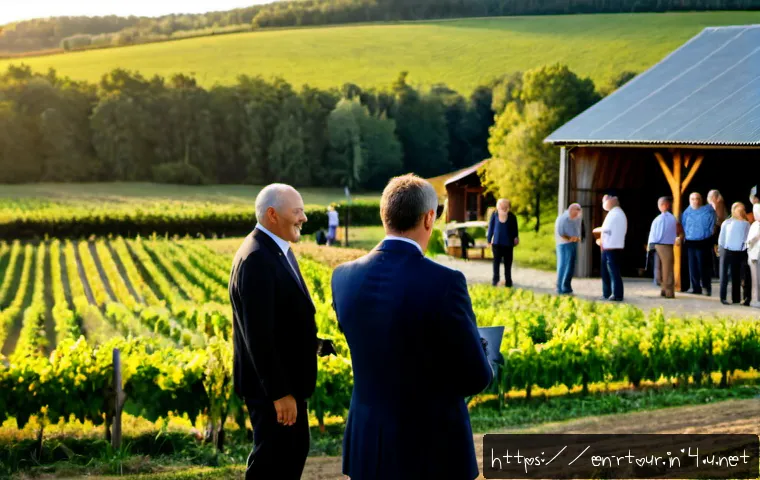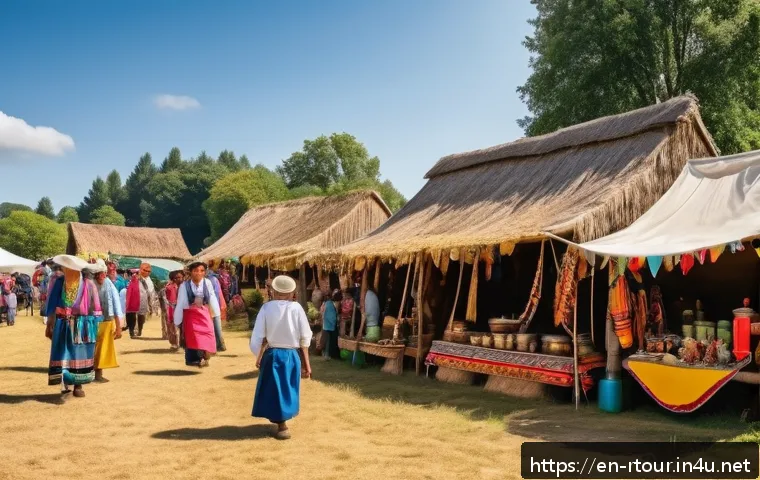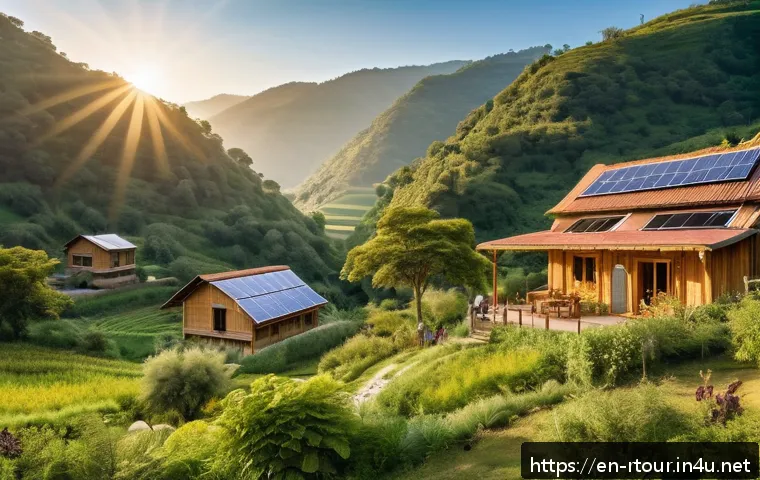
As the rural tourism sector gains momentum in 2024, understanding the salary landscape for planners has become more important than ever. With communities seeking sustainable growth and authentic experiences, the roles within this niche are evolving rapidly.

Whether you’re considering a career shift or just curious about how compensation varies by position, diving into these numbers offers valuable insights.
Let’s explore how different roles in rural tourism planning stack up financially and what trends are shaping their future earnings. Stick around—you might discover some surprising facts that could influence your next move!
Understanding Salary Variations Across Rural Tourism Planning Roles
Entry-Level Planners: Building Foundations and Income
Starting out in rural tourism planning often means juggling multiple tasks while learning the ropes. Entry-level planners typically earn less compared to their more experienced counterparts, but this phase is crucial for gaining hands-on experience.
Many of these roles involve coordinating local events, researching community needs, and assisting senior planners with project logistics. From my experience, salaries in this bracket tend to range between $40,000 and $55,000 annually, depending on the region and size of the organization.
While the pay might not be staggering initially, the potential for growth is significant, especially if you’re passionate about sustainable tourism and community development.
Mid-Level Planners: Balancing Expertise and Responsibility
Once you’ve spent a few years in the field, the salary jumps noticeably. Mid-level planners often take on more responsibility, such as managing entire projects or leading smaller teams.
They also become key players in developing marketing strategies that highlight the unique aspects of rural destinations. From my observations, this level usually commands salaries between $55,000 and $75,000 annually.
The role demands a blend of creative thinking, organizational skills, and a deep understanding of local culture. What I’ve noticed is that those who can successfully integrate community input into their plans tend to be more valued—and better compensated.
Senior Planners and Specialists: Leading the Charge
At the top tier, senior planners or specialists often oversee multiple projects and guide strategic direction for rural tourism initiatives. These professionals usually have extensive experience and often hold advanced degrees or certifications.
Their salaries typically fall in the $75,000 to $100,000+ range, reflecting their leadership role and the complexity of their work. In my conversations with industry insiders, I’ve learned that senior planners are also heavily involved in securing funding and partnerships, which adds another layer to their responsibilities—and their compensation packages.
Impact of Location and Organization Type on Earnings
Urban vs. Rural Differences in Pay
Interestingly, planners working in rural regions sometimes earn less than those based in urban centers, despite their focus being rural tourism. This is often due to budget constraints faced by smaller organizations.
However, some rural tourism agencies located near popular travel destinations or in regions with booming tourism markets offer competitive salaries to attract talent.
For planners, it’s essential to weigh the pros and cons of location—sometimes a lower salary can be offset by a richer lifestyle and stronger community connections.
Non-Profit vs. Private Sector Roles
Non-profit organizations involved in rural tourism planning generally offer lower salaries but may provide more meaningful engagement with community development projects.
On the other hand, private firms or consulting agencies tend to pay more, reflecting the commercial nature of their projects and the demand for specialized skills.
From what I’ve gathered, private sector planners can earn up to 20-30% more than their non-profit counterparts, though job security and work-life balance can differ significantly.
The Role of Government Jobs in Salary Stability
Government positions in rural tourism planning often come with stable salaries and benefits, although they may not be as high as those in the private sector.
These roles usually require navigating bureaucracy and long-term planning but offer a sense of security that appeals to many professionals. I’ve found that government jobs often provide steady career progression and opportunities for specialization, which can be attractive for planners who prefer a structured work environment.
Emerging Trends Influencing Salary Growth
Increased Demand for Sustainability Experts
As sustainability becomes a cornerstone of rural tourism, planners with expertise in environmental impact assessments and sustainable development practices are commanding higher salaries.
This specialization is increasingly sought after, as communities and investors look to balance tourism growth with ecological preservation. Personally, I’ve noticed that candidates who can demonstrate knowledge in this area often negotiate better pay and leadership roles.
Technology Integration and Data Analysis Skills
The adoption of digital tools and data analytics in tourism planning is reshaping the salary landscape. Planners proficient in GIS mapping, visitor data analysis, and digital marketing are more competitive candidates.
From firsthand experience, those who upskill in technology tend to see faster salary growth because they can offer tangible benefits to projects and stakeholders.
Community Engagement and Cultural Sensitivity as Valued Skills
Planners who excel at engaging with local communities and respecting cultural heritage are increasingly recognized as key drivers of successful rural tourism.
These soft skills often translate into higher compensation, especially in roles where community trust and partnership-building are critical. I’ve worked with several planners who attribute their salary increases to their ability to foster genuine local relationships and tailor projects accordingly.
Salary Comparison of Common Rural Tourism Planner Positions
| Position | Average Annual Salary (USD) | Key Responsibilities | Required Experience |
|---|---|---|---|
| Junior Planner | $40,000 – $55,000 | Assist with project coordination, research, event planning | 0-2 years |
| Project Manager | $55,000 – $75,000 | Lead projects, develop marketing strategies, manage teams | 3-7 years |
| Senior Planner | $75,000 – $100,000+ | Oversee multiple projects, secure funding, strategic planning | 7+ years |
| Sustainability Specialist | $70,000 – $95,000 | Conduct environmental assessments, advise on sustainable practices | 5+ years |
| Government Planner | $60,000 – $85,000 | Long-term planning, policy development, community liaison | 5+ years |
How Education and Certifications Affect Earnings
Value of Advanced Degrees
A master’s degree or higher in tourism management, environmental science, or related fields can significantly boost earning potential. From what I’ve seen, employers often prefer candidates with advanced education for senior or specialized roles, and these qualifications can add $10,000 or more to annual salaries.
Beyond pay, having a higher degree opens doors to leadership and consulting opportunities.
Professional Certifications and Their Impact
Certifications such as Certified Travel Industry Specialist (CTIS) or sustainability-focused credentials are becoming more popular and can influence salary negotiations.
These certifications demonstrate a commitment to professional growth and specialized knowledge. In my experience, having relevant certifications can make a noticeable difference when competing for roles or promotions.
Continuous Learning as a Career Booster

Rural tourism is an evolving field, so planners who continuously update their skills—whether through workshops, online courses, or conferences—tend to maintain a competitive edge.
This ongoing learning not only enhances job performance but also positions planners for salary increases and new responsibilities. I personally recommend setting a learning plan to stay ahead in this dynamic sector.
Negotiation Tips for Maximizing Your Salary
Research Market Rates Thoroughly
Before negotiating, it’s crucial to understand typical salary ranges for your role and region. Use resources like industry reports and job boards to benchmark.
I’ve found that being well-informed empowers you to make realistic and confident requests.
Highlight Unique Skills and Achievements
During salary discussions, emphasize your specialized skills, successful projects, and contributions to community engagement or sustainability. Sharing concrete examples often resonates more than generic claims.
In my own career, detailing how I increased visitor engagement helped me secure better compensation.
Consider Total Compensation Beyond Base Pay
Sometimes benefits like flexible work arrangements, professional development funds, or performance bonuses can add significant value. I’ve learned that negotiating these perks can make a big difference in overall job satisfaction and financial well-being, even if the base salary isn’t as high as hoped.
Future Outlook: Salary Trends to Watch in Rural Tourism Planning
Growing Emphasis on Eco-Friendly Tourism
With environmental concerns taking center stage, planners skilled in green tourism initiatives are poised for salary growth. I expect demand for these experts to rise sharply, pushing wages higher over the next few years.
Integration of Digital Experiences
Virtual tours, augmented reality, and interactive apps are becoming part of rural tourism, meaning planners who understand tech integration will be more valuable.
This trend may lead to new roles and salary brackets that didn’t exist before.
Increasing Collaboration with Local Communities
The future favors planners who can build trust and partnerships with locals, which often translates into roles with more influence and better pay. I believe community-centered approaches will continue to shape the salary landscape positively.
Common Challenges Affecting Salary Growth
Budget Constraints in Smaller Organizations
Many rural tourism agencies operate on tight budgets, limiting salary increases despite the growing importance of their work. I’ve seen talented planners sometimes move on to larger firms or government roles for better compensation.
Balancing Passion and Pay
A frequent challenge is reconciling a deep commitment to rural development with the reality of modest salaries. From talking with colleagues, passion often drives people to accept lower pay early in their careers, but it’s important to plan for growth.
Need for Greater Recognition of the Field
Rural tourism planning is still gaining recognition as a specialized profession. Increased awareness and advocacy can lead to improved funding and salary standards, which I hope to see more of in coming years.
Conclusion
Understanding the diverse factors that influence salaries in rural tourism planning is key for anyone pursuing a career in this field. From entry-level roles to senior positions, the balance between passion, skills, and strategic negotiation shapes earning potential. As the industry evolves with sustainability and technology trends, staying informed and adaptable will help planners maximize both their impact and income.
Helpful Information to Know
1. Salary ranges vary widely depending on experience level, location, and organization type, so researching local market conditions is essential.
2. Advanced degrees and professional certifications can significantly enhance earning potential and open doors to leadership roles.
3. Developing skills in sustainability, technology, and community engagement can lead to faster salary growth and better job opportunities.
4. Negotiating total compensation, including benefits and professional development support, can improve overall job satisfaction beyond base pay.
5. Staying up-to-date with industry trends and continuous learning is critical to maintaining a competitive edge in this dynamic sector.
Key Takeaways
Rural tourism planning salaries are influenced by a combination of experience, education, and specialized skills, with higher pay often linked to leadership and sustainability expertise. Location and employer type also play significant roles, with private sector jobs generally offering higher pay but differing in work-life balance. Continuous professional development and strategic negotiation are vital for career advancement and maximizing earnings in this evolving field.
Frequently Asked Questions (FAQ) 📖
Q: What factors influence the salary of a rural tourism planner in 2024?
A: Several key factors shape the salary for rural tourism planners today. Experience plays a huge role—those with a solid track record in sustainable tourism projects tend to command higher pay.
Location matters too; planners working in regions with booming rural tourism initiatives, such as parts of the Pacific Northwest or the English countryside, often see better compensation.
Additionally, educational background and specialized skills, like expertise in community engagement or environmental impact assessment, can boost earnings.
Finally, the size and funding of the organization or municipality you work for also impacts salary, with larger, well-funded projects offering more competitive packages.
Q: How do salaries differ between entry-level and senior positions in rural tourism planning?
A: Entry-level rural tourism planners typically earn on the lower end of the spectrum, often ranging from $40,000 to $55,000 annually, depending on the region and employer.
As you gain experience and take on more responsibilities—like managing larger projects or leading community outreach—the salary can increase significantly.
Senior planners or project managers often earn between $70,000 and $95,000, sometimes exceeding this if they oversee multi-million-dollar initiatives or have niche expertise.
From what I’ve seen working alongside both levels, the jump in pay often reflects not just years of experience but also the ability to drive sustainable, impactful tourism strategies that benefit rural communities.
Q: Are there emerging trends that could impact future earnings for rural tourism planners?
A: Absolutely. The growing focus on sustainability and authentic cultural experiences is reshaping the demand for planners with specialized skills. Planners who can integrate technology, like virtual reality tours or data analytics to measure environmental impact, are becoming highly valuable.
There’s also a rising trend toward community-led tourism projects, meaning planners who excel at stakeholder collaboration may see better compensation offers.
Additionally, government incentives aimed at revitalizing rural economies could lead to more funded projects, which generally means higher budgets and salaries.
In my experience, staying ahead by upskilling and networking within this evolving niche is crucial for maximizing earning potential.