In today’s rapidly evolving travel industry, gaining a Rural Tourism Planner certification opens doors to unique and rewarding career opportunities. With more travelers seeking authentic, off-the-beaten-path experiences, expertise in rural tourism planning is becoming highly valuable.

Whether you’re looking to pivot your career or enhance your current skill set, this certification equips you to design sustainable tourism initiatives that benefit local communities.
Stick around as we explore how this credential can transform your professional journey and unlock new paths you might not have considered before.
Expanding Career Horizons in Rural Tourism
Embracing New Roles in Community Engagement
When you step into the world of rural tourism planning, your role naturally shifts toward becoming a crucial liaison between travelers and local communities.
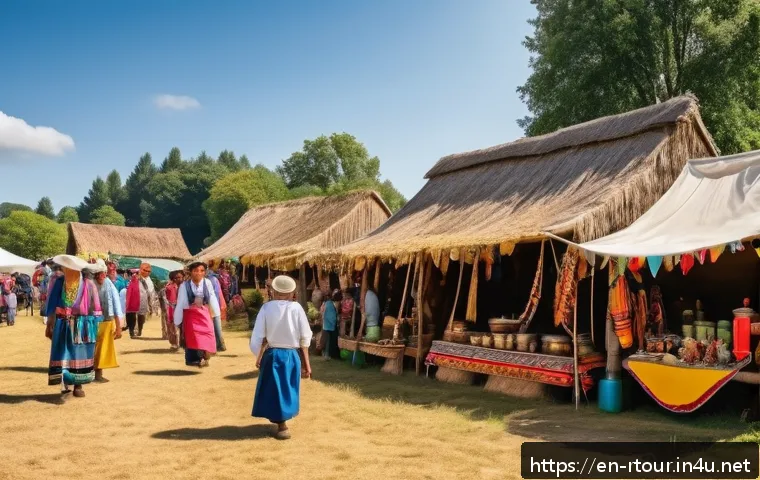
This isn’t just about organizing tours; it’s about fostering meaningful interactions that benefit both visitors and residents. From my experience working with rural communities, the most rewarding part is seeing how well-planned tourism initiatives can empower locals to share their heritage and traditions while creating sustainable income streams.
This role demands strong communication skills and cultural sensitivity, as you’re often the bridge that connects different worlds.
Designing Sustainable Tourism Experiences
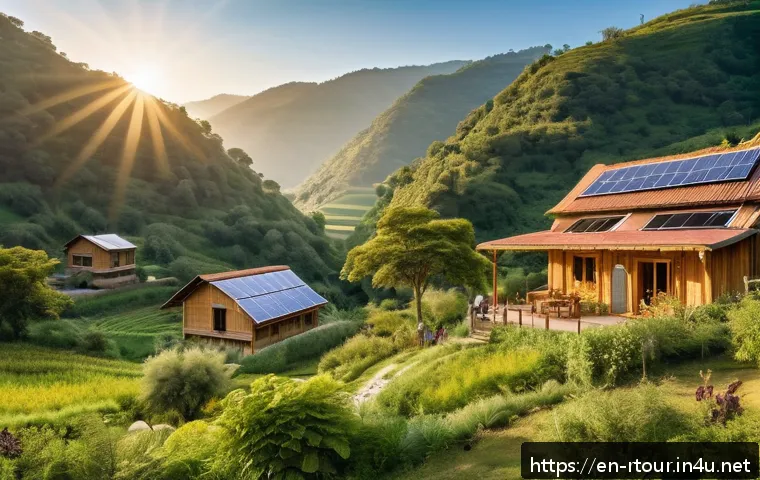
One of the biggest changes after certification is the increased responsibility to design tourism projects that prioritize sustainability. You’re no longer just thinking about attracting visitors but ensuring that tourism development respects the environment, preserves local culture, and supports economic growth.
I’ve noticed that rural tourism planners often take on tasks like assessing environmental impacts, consulting with stakeholders, and creating strategies that limit overcrowding or resource depletion.
It’s a balancing act, but when done right, it turns tourism into a force for good.
Managing Diverse Stakeholder Expectations
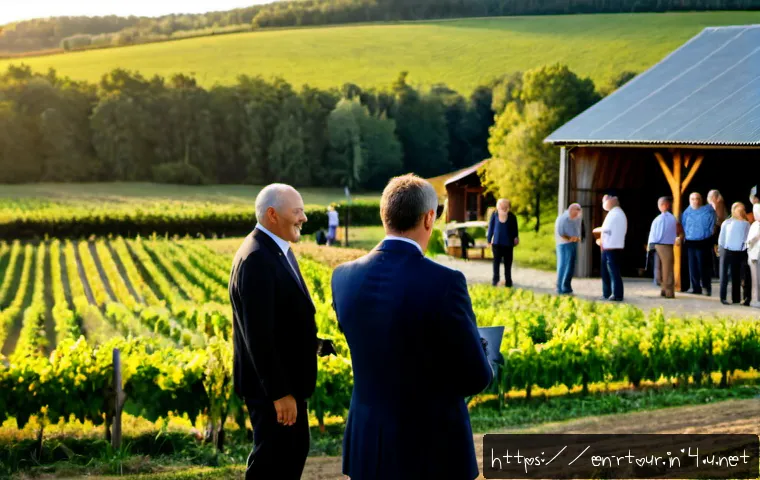
Rural tourism planning exposes you to a wide array of stakeholders—from farmers and artisans to government agencies and tour operators. This diversity requires a nuanced approach to project management and negotiation.
In practice, I found that successful planners must be adaptable, mediating between conflicting interests and ensuring that all voices are heard. This dynamic environment keeps your job exciting and constantly evolving, as no two projects or communities are the same.
Mastering Project Development and Funding Acquisition
Crafting Compelling Proposals for Grants and Investors
A significant part of the job involves securing funding to turn ideas into reality. After certification, you’ll likely find yourself developing detailed project proposals that highlight the benefits of rural tourism initiatives.
Having been involved in grant writing, I can tell you that success depends on clearly demonstrating the social, environmental, and economic impacts of your projects.
Funders want to see measurable outcomes and sustainability plans, so you’ll develop skills in data collection, budgeting, and storytelling.
Coordinating Multi-Phase Project Implementation
Rural tourism projects rarely launch overnight; they unfold in phases, from initial research and planning to marketing and ongoing evaluation. Managing these phases effectively is critical to success.
From personal experience, staying organized and communicating timelines to all parties involved has been essential. This role often involves juggling unexpected challenges like weather conditions or changes in local regulations, so flexibility is key.
Building Partnerships for Long-Term Success
Securing funding is just the start. Long-term project success depends on building strong partnerships with local governments, NGOs, and private businesses.
I’ve found that cultivating these relationships requires trust and consistent engagement. By establishing clear roles and shared goals, planners can create collaborative networks that sustain tourism efforts well beyond the initial launch.
Enhancing Skills in Marketing and Visitor Experience
Developing Authentic Storytelling Techniques
A certified rural tourism planner quickly learns that marketing is about more than just promotion—it’s about telling authentic stories that resonate with travelers.
Drawing from my own projects, I’ve seen how crafting narratives around local history, traditions, and landscapes can create emotional connections that inspire visits.
This storytelling approach requires creativity and a deep understanding of the community’s identity.
Utilizing Digital Tools for Targeted Outreach
Digital marketing skills become increasingly important as rural tourism competes with mainstream destinations. Learning to use social media platforms, SEO strategies, and online booking systems has been a game-changer in my work.
These tools help target niche audiences interested in eco-tourism, cultural immersion, and off-the-beaten-path adventures. Being tech-savvy allows planners to broaden their reach while maintaining the unique charm of rural experiences.
Designing Immersive Visitor Experiences
Beyond attracting visitors, planners focus on curating memorable experiences that encourage longer stays and repeat visits. I’ve had the chance to collaborate with local artisans and farmers to create hands-on workshops, farm-to-table dining, and guided nature walks.
These experiences enrich visitors’ understanding and appreciation of rural life, fostering a deeper connection that benefits both travelers and communities.

Strengthening Expertise in Policy and Regulatory Compliance
Navigating Local and Regional Regulations
Rural tourism planning requires a solid grasp of the legal frameworks that govern land use, environmental protection, and cultural heritage preservation.
In my practice, I’ve learned that staying updated on zoning laws, permits, and safety standards is crucial to avoid costly setbacks. This knowledge also helps planners advocate for policies that support sustainable tourism development.
Integrating Community Feedback into Policy Development
Effective planners ensure that local voices shape tourism policies. I have facilitated community workshops where residents express concerns and aspirations, which then inform regulatory proposals.
This participatory approach not only improves policy relevance but also builds community buy-in, which is vital for long-term success.
Ensuring Compliance with Sustainability Certifications
Many rural tourism projects aim for recognized sustainability certifications to boost credibility and market appeal. Achieving these certifications involves meeting specific criteria related to environmental stewardship, social responsibility, and economic viability.
From my experience, this process requires meticulous documentation and continuous monitoring but ultimately enhances the project’s reputation and impact.
Leveraging Data and Research for Informed Decision-Making
Conducting Market Research and Visitor Analysis
Post-certification, planners often engage in detailed market research to understand visitor preferences and trends. I’ve conducted surveys and analyzed data that reveal what types of experiences attract different traveler segments.
This insight helps tailor offerings and marketing efforts to maximize appeal and profitability.
Evaluating Project Impact through Metrics
Assessing the success of rural tourism initiatives is vital for continuous improvement. I’ve been involved in tracking indicators such as visitor numbers, revenue generation, and community satisfaction.
These metrics provide tangible evidence of impact and inform adjustments to planning and management strategies.
Using GIS and Mapping Technologies
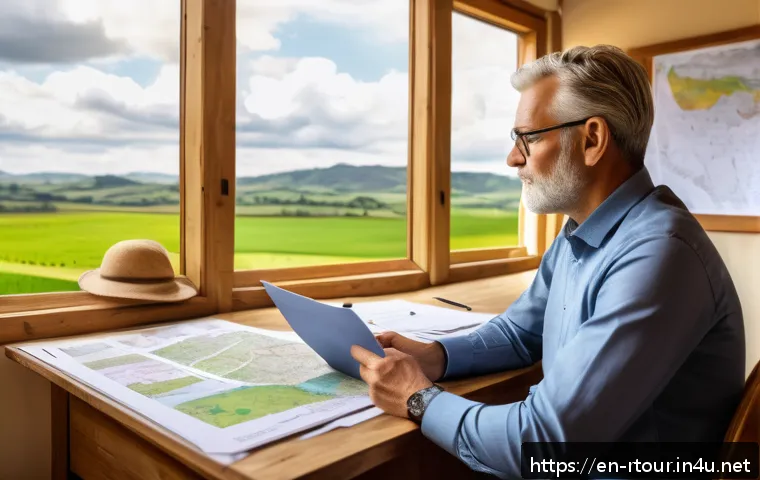
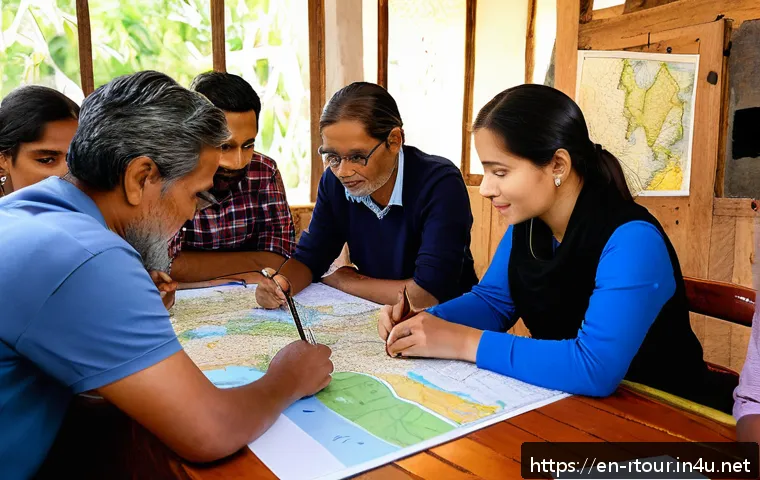
Geographic Information Systems (GIS) have become indispensable tools for rural tourism planners. I’ve utilized GIS to map resources, trails, and attractions, which aids in route planning and environmental assessments.
This technology enhances spatial understanding and helps visualize the interplay between tourism development and natural landscapes.
Key Competencies and Career Benefits Overview
| Competency | Description | Career Benefit |
|---|---|---|
| Community Engagement | Building strong relationships with local stakeholders and fostering collaboration | Enhanced reputation and trust, leading to smoother project implementation |
| Sustainability Planning | Designing tourism initiatives that protect natural and cultural resources | Access to niche markets and eligibility for sustainability grants |
| Project Management | Coordinating multi-phase projects with budgeting and timeline oversight | Improved efficiency and higher success rates for tourism developments |
| Marketing & Storytelling | Crafting authentic narratives and using digital platforms for outreach | Increased visitor engagement and expanded market reach |
| Regulatory Knowledge | Understanding and complying with legal and environmental policies | Reduced risk of legal issues and enhanced project legitimacy |
| Data Analysis & GIS | Utilizing research and mapping tools for informed planning | More strategic decisions and optimized resource use |
In Closing
Embarking on a career in rural tourism planning opens doors to meaningful work that bridges communities and travelers. It offers a chance to create sustainable, culturally rich experiences while navigating diverse challenges. With the right skills and dedication, this field not only fosters personal growth but also drives positive impact for local economies and environments. The journey is as rewarding as the destination.
Helpful Information to Know
1. Building strong community relationships is key to gaining trust and ensuring project success.
2. Sustainability should be at the heart of every tourism initiative to protect natural and cultural heritage.
3. Effective project management skills help keep multi-phase developments on track and within budget.
4. Authentic storytelling combined with digital marketing can significantly boost visitor engagement.
5. Staying informed about local regulations and using data-driven tools improves planning outcomes and compliance.
Summary of Key Takeaways
Success in rural tourism planning depends on balancing community needs, environmental care, and economic goals. Developing expertise in stakeholder collaboration, sustainable design, and regulatory compliance builds credibility and long-term viability. Integrating marketing savvy and data analysis enhances visitor experiences and project impact. Ultimately, the ability to adapt and communicate effectively transforms challenges into opportunities for growth and meaningful contributions.
Frequently Asked Questions (FAQ) 📖
Q: uestions about Rural Tourism Planner CertificationQ1: What career opportunities can I expect after obtaining a Rural Tourism Planner certification?
A: Earning this certification can open doors to a variety of roles such as tourism development consultant, rural community advisor, sustainable tourism project manager, or destination marketing specialist.
Many organizations, including government agencies, NGOs, and private tourism companies, seek professionals who can create authentic experiences while supporting local economies.
From my own experience, having this credential helped me land roles focused on eco-friendly travel initiatives and community engagement, which are increasingly in demand.
Q: How does the Rural Tourism Planner certification help in creating sustainable tourism initiatives?
A: The certification equips you with practical knowledge about balancing tourism growth with environmental preservation and cultural integrity. You learn how to design projects that minimize negative impacts, promote local heritage, and involve community stakeholders in decision-making.
In my case, the training emphasized hands-on strategies that I could immediately apply, such as conducting impact assessments and developing educational programs for visitors, which made the tourism projects more successful and widely accepted by locals.
Q: Is prior experience in tourism necessary before pursuing this certification?
A: While previous experience in tourism or community development can be helpful, it’s not always required. The certification programs are designed to accommodate beginners as well as seasoned professionals by covering foundational concepts and advanced planning techniques.
Personally, I started with limited background but found the coursework accessible and engaging, thanks to real-world case studies and interactive modules that built my confidence to work effectively in rural tourism planning.