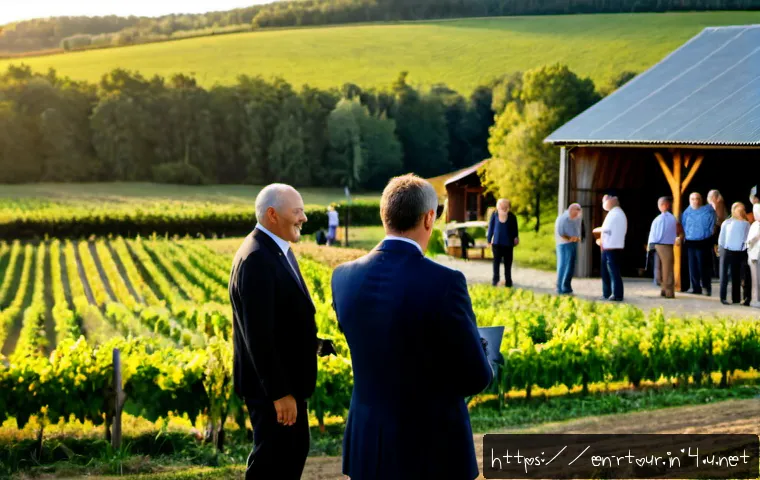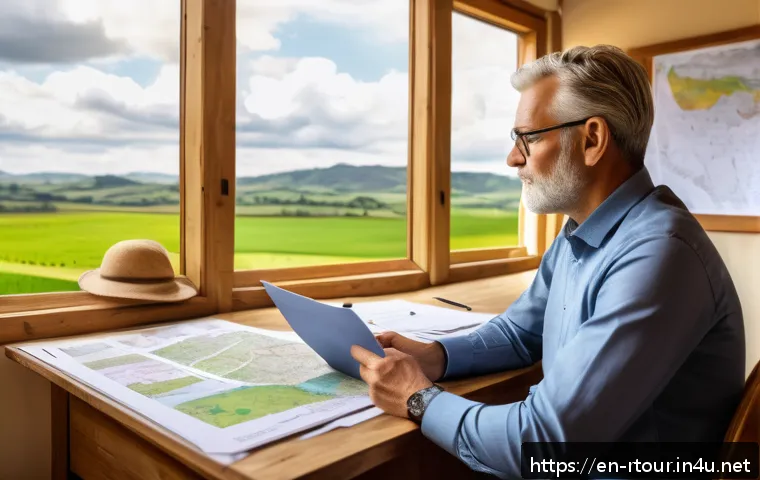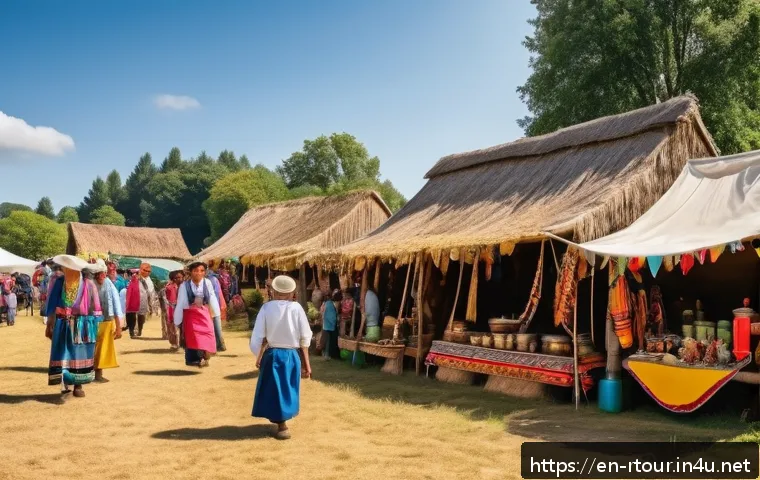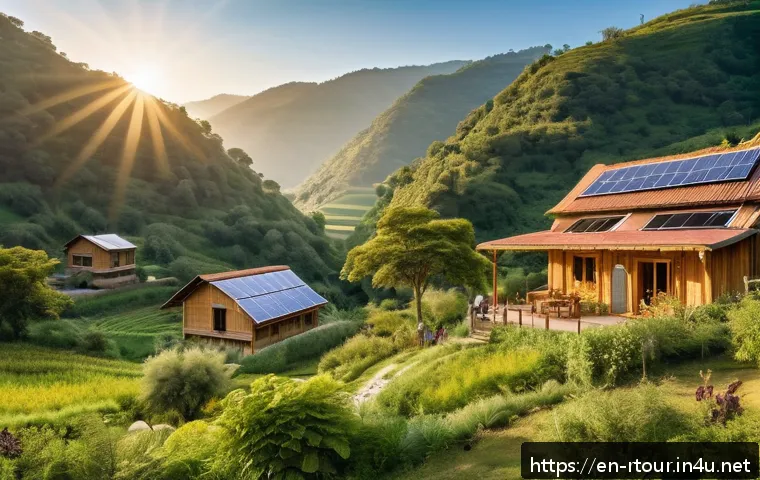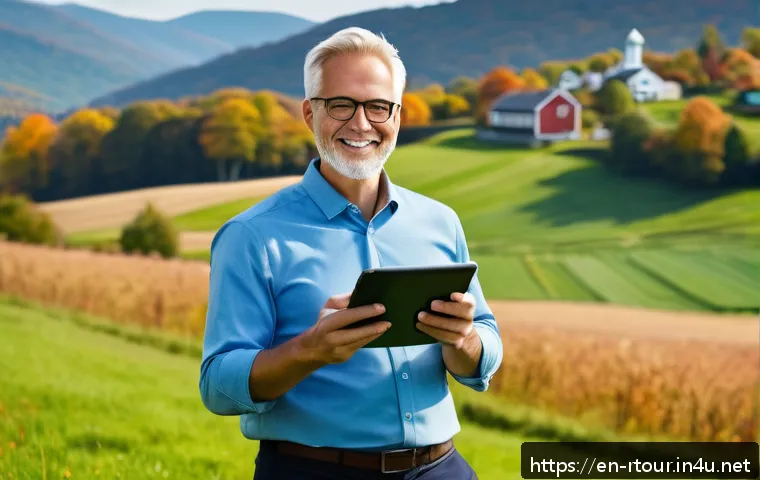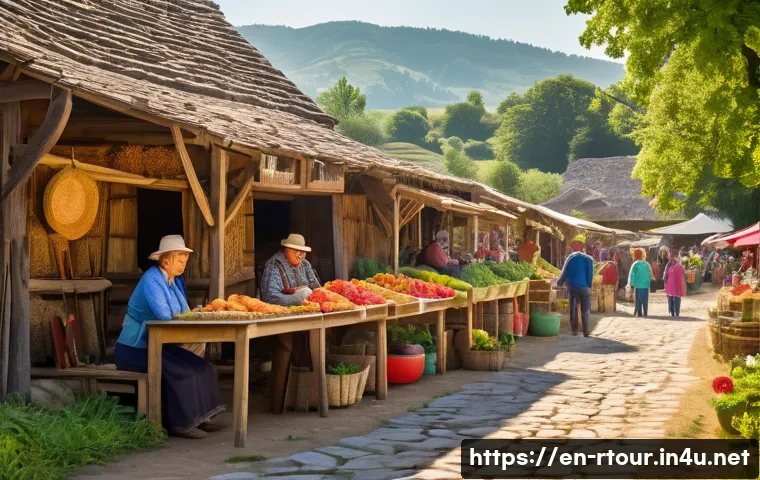
Working as a rural tourism planner has been an eye-opening journey that blends creativity with a deep appreciation for local culture and nature. From coordinating authentic farm stays to designing immersive outdoor experiences, every day brings new challenges and rewards.
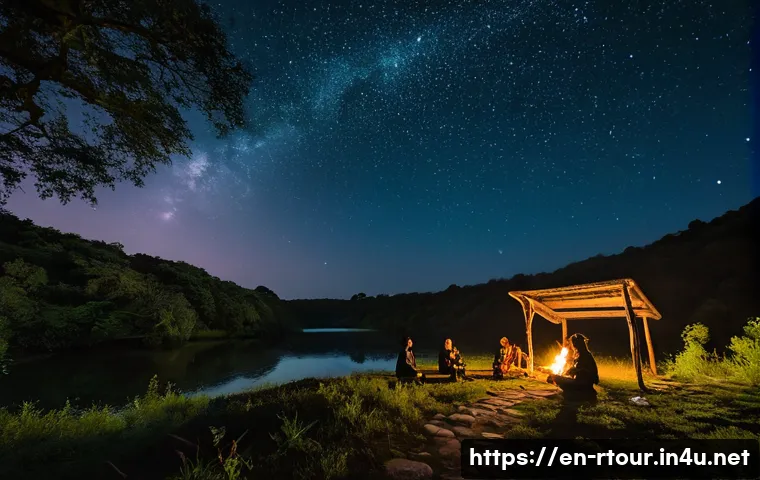
I’ve witnessed firsthand how thoughtful planning can transform a simple countryside visit into a memorable adventure that supports sustainable development.
It’s fascinating to see how small communities thrive by welcoming curious travelers seeking genuine connections. If you’re curious about what it takes to bring rural tourism to life and the behind-the-scenes insights, we’re going to explore it all in detail below!
Crafting Authentic Rural Experiences That Resonate
Understanding Local Culture Beyond the Surface
When designing rural tourism, diving deep into the local culture is non-negotiable. I’ve learned that authentic experiences aren’t about surface-level interactions or staged events but genuinely connecting with the community’s traditions, stories, and daily rhythms.
For instance, instead of just organizing a generic farm tour, I collaborate with locals to showcase their unique farming techniques or seasonal festivals.
This not only enriches visitors’ understanding but also empowers residents to share their heritage proudly. It’s amazing how these genuine exchanges spark meaningful conversations and leave lasting impressions, far beyond typical sightseeing.
Integrating Nature with Storytelling
Nature is the backbone of rural tourism, yet it’s not enough to simply point out scenic spots. The magic lies in weaving stories around the landscape — why a certain tree is sacred, how the river shaped village life, or the folklore tied to a mountain trail.
I’ve personally found that guiding travelers through immersive storytelling hikes or night-time stargazing sessions creates a sense of wonder that’s both educational and deeply personal.
It’s like turning nature into a living narrative that visitors carry with them long after they leave.
Designing Flexible Itineraries for Diverse Interests
One tricky part I often face is balancing different traveler expectations. Some want hands-on agricultural activities, while others prefer quiet retreats or photography opportunities.
I craft itineraries that blend these elements with room for spontaneity — a morning picking fresh vegetables, followed by an afternoon exploring local crafts or simply relaxing by a pond.
From my experience, this flexibility encourages visitors to engage on their terms, making the whole trip feel tailored without being rigid or overwhelming.
Collaborating with Local Stakeholders to Build Trust
Bridging the Gap Between Tourists and Residents
At the heart of successful rural tourism lies trust between visitors and the host community. I’ve spent countless hours meeting with farmers, artisans, and village leaders to understand their concerns and aspirations.
It’s essential to ensure that tourism development doesn’t disrupt local life but rather supports it sustainably. For example, when planning accommodations, I prioritize homestays or small guesthouses run by locals rather than large hotels.
This approach fosters mutual respect and creates income opportunities directly benefiting the people who welcome tourists.
Training and Empowering Local Guides
Local guides are the real heroes in rural tourism, acting as cultural ambassadors and storytellers. I’ve seen firsthand how investing in their training — language skills, storytelling techniques, safety protocols — elevates the entire visitor experience.
Moreover, empowering guides to lead their own tours or workshops builds confidence and ownership. When travelers interact with passionate locals who know their land intimately, it transforms a simple tour into a heartfelt exchange.
This human connection often becomes the highlight of a trip.
Balancing Economic Goals with Community Values
It’s tempting to chase quick profits through mass tourism, but that risks eroding the very qualities that make rural destinations special. I advocate for slow, intentional growth that respects community values and environmental limits.
For instance, we set visitor caps during peak seasons and promote off-season activities to prevent overcrowding. This balance ensures that tourism remains a positive force, helping preserve traditions and landscapes rather than overwhelming them.
Innovating Marketing Strategies to Reach the Right Audience
Targeting Niche Travelers with Genuine Interests
Instead of broad, generic campaigns, I focus on reaching niche groups who value authenticity — like eco-conscious travelers, foodies, or history buffs.
Social media storytelling, partnerships with travel bloggers, and virtual tours have been invaluable tools. From my experience, sharing behind-the-scenes snippets of farm life or interviews with local artisans creates curiosity and trust.
These efforts attract visitors who come with an open mind and appreciation, which ultimately leads to better reviews and word-of-mouth referrals.
Leveraging User-Generated Content for Authenticity
Encouraging visitors to share their own stories, photos, and videos is a game-changer. I’ve noticed that user-generated content feels far more trustworthy than polished ads.
To facilitate this, we create hashtag campaigns and interactive challenges that invite travelers to document their experiences naturally. This not only boosts organic reach but also builds a vibrant community around the destination, making it feel accessible and alive to potential visitors.
Utilizing Data Analytics to Refine Outreach
Marketing is not just about creativity but also about smart decision-making. I regularly analyze visitor data — where they come from, what activities they engage in, and feedback trends — to tailor future campaigns.
For example, discovering that weekend workshops attract younger couples led us to create more romantic, hands-on experiences. This data-driven approach helps optimize resources and ensures that our messaging truly resonates with the intended audience.
Implementing Sustainable Practices for Long-Term Impact
Minimizing Environmental Footprints
Sustainability isn’t just a buzzword — it’s a responsibility I take seriously. From choosing eco-friendly accommodation materials to promoting zero-waste policies during events, every detail matters.
I’ve worked closely with local farmers to encourage organic practices and water conservation techniques, which visitors can also learn about during their stay.
These efforts contribute to protecting fragile ecosystems and demonstrate respect for the land that supports both residents and guests.
Supporting Local Economies Through Fair Trade
Ensuring that local producers and artisans receive fair compensation is crucial. I always negotiate agreements where a significant portion of tourism revenue flows directly to the community.
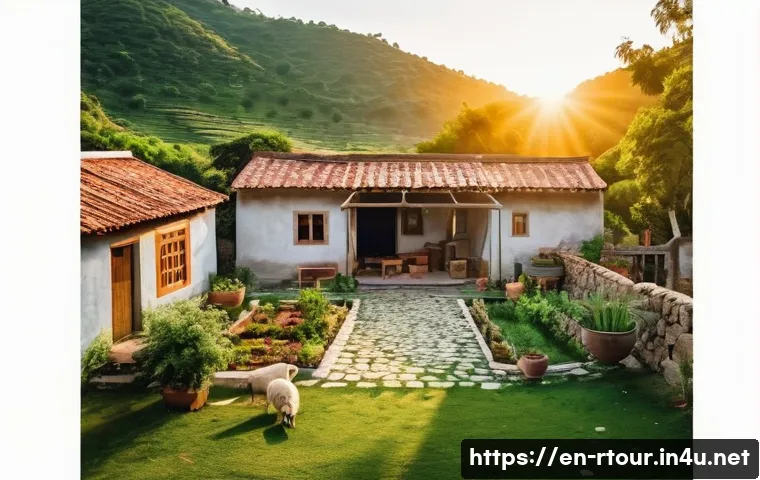
For example, souvenir shops feature handcrafted items sourced exclusively from local makers, and food served in guesthouses uses ingredients from nearby farms.
This approach not only boosts economic resilience but also nurtures pride and motivation among locals to maintain high-quality offerings.
Encouraging Responsible Visitor Behavior
Educating travelers about respecting local customs, wildlife, and natural resources is part of the planning process. I’ve found that simple orientation sessions or printed guides with clear do’s and don’ts make a big difference.
When visitors understand the impact of their actions and feel part of conservation efforts, they tend to be more mindful and engaged. This shared responsibility creates a positive feedback loop, enhancing the overall sustainability of rural tourism.
Overcoming Logistical Challenges in Remote Settings
Addressing Transportation and Accessibility Issues
Rural areas often come with limited infrastructure, which can deter some travelers. I’ve tackled this by coordinating shuttle services from nearby towns, offering bike rentals, or partnering with local drivers familiar with rough roads.
Making transportation seamless reduces visitor stress and encourages longer stays. Plus, it opens the door for less experienced travelers to explore places they might otherwise avoid.
Managing Accommodation Capacity Without Losing Charm
Finding the right balance between enough lodging and preserving the intimate village atmosphere is tricky. I prioritize small-scale accommodations, such as family-run B&Bs or cabins, which maintain a cozy vibe.
When demand spikes, we explore creative solutions like temporary pop-up campsites that blend into the environment. This flexibility allows us to welcome more guests without compromising the destination’s character.
Coordinating Seasonal Activities and Staffing
Rural tourism often fluctuates with seasons, requiring careful planning to ensure consistent quality. I work closely with local workers to schedule events during peak harvests, festivals, or natural phenomena like wildflower blooms.
Training seasonal staff in advance and maintaining open communication channels helps prevent last-minute hiccups. This proactive approach ensures visitors always have engaging options, no matter when they arrive.
Measuring Success and Adapting for Growth
Tracking Visitor Satisfaction and Feedback
Collecting honest feedback is a cornerstone of improvement. I encourage guests to fill out surveys, participate in informal chats, or leave online reviews.
Analyzing these insights highlights strengths and areas needing attention — whether it’s enhancing signage, improving meal options, or adjusting tour lengths.
Acting on feedback shows visitors their opinions matter, fostering loyalty and repeat visits.
Evaluating Economic and Social Impacts
Beyond visitor numbers, I assess how tourism benefits the local economy and community well-being. This includes monitoring income increases for households involved in tourism, job creation, and preservation of cultural traditions.
I’ve seen that when these indicators improve steadily, it’s a sign the approach is sustainable. Sharing these successes with stakeholders builds confidence and encourages continued collaboration.
Adapting to Emerging Trends and Challenges
Rural tourism is dynamic, influenced by factors like climate change, global travel patterns, or shifting traveler preferences. I stay informed and flexible, ready to pivot strategies as needed.
For example, during unexpected travel restrictions, we developed virtual farm experiences and local delivery of artisan products. These innovations kept the community connected to tourists and generated income despite limitations.
This adaptability is key to long-term resilience.
| Key Aspect | Approach | Benefits |
|---|---|---|
| Local Culture Integration | Collaborate with residents for authentic experiences | Deep visitor connection, community pride |
| Environmental Sustainability | Eco-friendly accommodations, organic farming | Preserved ecosystems, enhanced reputation |
| Marketing Strategy | Target niche travelers, leverage user content | Higher engagement, quality visitor base |
| Logistics Management | Coordinate transport, flexible lodging | Visitor comfort, preserved rural charm |
| Community Collaboration | Empower guides, fair trade practices | Economic growth, stronger local involvement |
In Conclusion
Creating authentic rural experiences requires genuine connections with local culture, nature, and communities. By balancing sustainability, thoughtful marketing, and flexible logistics, rural tourism can thrive without losing its charm. The key lies in respecting residents’ values while inviting visitors to engage meaningfully. When done right, these efforts foster lasting memories and support long-term growth.
Useful Information to Keep in Mind
1. Authenticity matters most—prioritize real interactions over staged activities to create meaningful visitor experiences.
2. Storytelling transforms natural landscapes into immersive journeys that resonate deeply with travelers.
3. Flexible itineraries accommodate diverse interests, allowing guests to personalize their rural adventure.
4. Collaborating closely with local stakeholders builds trust and ensures tourism benefits the community sustainably.
5. Leveraging niche marketing and user-generated content attracts engaged visitors who appreciate the destination’s uniqueness.
Key Takeaways for Success
To build a thriving rural tourism venture, focus on integrating local culture authentically, practicing environmental sustainability, and fostering strong community partnerships. Embrace adaptable marketing strategies that connect with the right audience, and carefully manage logistics to maintain the area’s character. Finally, continuously gather feedback and adapt to emerging trends to ensure lasting positive impact for both visitors and residents alike.
Frequently Asked Questions (FAQ) 📖
Q: What skills are essential for a rural tourism planner to succeed?
A: From my experience, a successful rural tourism planner needs a blend of creativity, strong organizational skills, and cultural sensitivity. You have to be adaptable because rural areas often come with unique challenges like limited infrastructure or seasonal changes.
Communication skills are crucial too, since you’re working closely with local communities to create authentic experiences. Plus, a passion for sustainability really helps, as supporting the environment and local economy is at the heart of rural tourism.
Q: How do you ensure that rural tourism benefits local communities without causing harm?
A: It’s a delicate balance that requires genuine collaboration with locals. I always prioritize their voices in the planning process to understand their needs and concerns.
Sustainable practices, like limiting visitor numbers and promoting eco-friendly activities, are key. Also, creating opportunities for locals to lead tours or sell their crafts helps keep economic benefits within the community.
Seeing a village thrive while preserving its heritage is incredibly rewarding and proves that thoughtful tourism can be a force for good.
Q: What are some common challenges faced when planning rural tourism experiences?
A: One big challenge is infrastructure—many rural areas lack reliable transportation, internet, or accommodations, so planning around those limitations is essential.
Weather and seasonal fluctuations also play a role; for example, some activities only work during harvest season or when trails are accessible. Another hurdle is managing visitor expectations while maintaining authenticity; travelers want unique experiences but sometimes expect urban comforts.
Navigating these complexities takes patience and creativity, but it’s what makes the job so fulfilling.