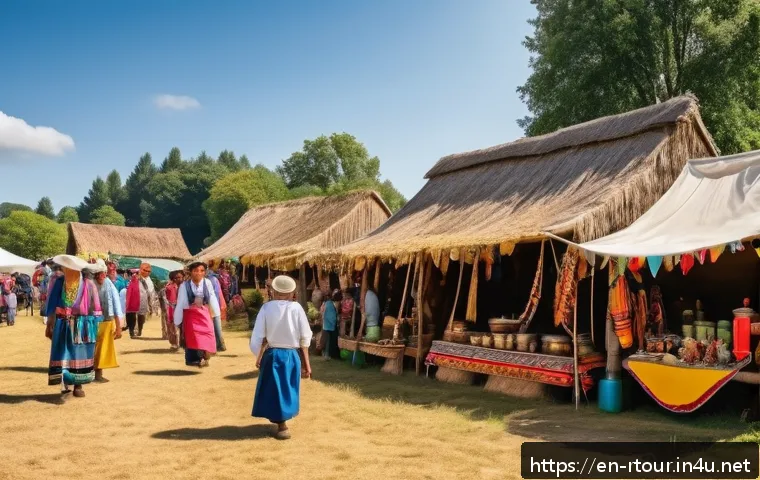
With the surge in travelers seeking authentic countryside experiences, rural tourism is becoming a booming industry. Many professionals are eyeing the Rural Tourism Planner Certification as a way to stand out and deepen their expertise.
But how challenging is this exam really? Whether you’re considering a career shift or aiming to expand your skill set, understanding the exam’s difficulty and what it entails is key.
In this post, I’ll share insights from those who’ve taken the plunge, revealing what to expect and how to prepare effectively. Stick around—you might just find the motivation and tips you need to succeed in this growing field.
Understanding the Scope of the Rural Tourism Planner Certification Exam
Core Subjects Covered in the Exam
The exam dives deep into several key areas that every rural tourism planner must master. These include sustainable tourism development, local community engagement, marketing strategies tailored to rural destinations, and regulatory frameworks.
From my experience chatting with recent test-takers, the breadth of topics can feel overwhelming at first. However, the exam doesn’t just test rote memorization—it emphasizes practical knowledge and the ability to apply concepts in real-world scenarios.
This means you’ll need to be comfortable with case studies, planning exercises, and even some financial aspects of rural tourism projects. The diversity of content ensures that certified planners are truly equipped to handle the complexities of this niche industry.
Exam Format and Question Types
Most candidates find the exam structure to be a mix of multiple-choice questions, short answers, and scenario-based problem solving. The multiple-choice questions assess your grasp of fundamental facts and definitions, while the short answers and case studies challenge your analytical thinking and creativity.
One thing to note is that the exam is timed, usually lasting around three hours, which means pacing yourself is crucial. Some people I spoke with mentioned that time management was their biggest hurdle, especially when working through intricate planning problems that require detailed responses.
Practicing under timed conditions can really boost your confidence and improve your efficiency on exam day.
Recommended Study Resources and Materials
Candidates often recommend a combination of official study guides, online courses, and field experience to prepare effectively. I’ve seen that those who supplement textbook learning with hands-on visits to rural tourism sites tend to perform better.
Immersing yourself in the environment you’ll be planning for helps make abstract concepts tangible. Additionally, joining study groups or forums provides a platform to discuss difficult topics and share tips.
It’s also wise to review past exam questions if they’re available, as they offer a realistic sense of the exam’s difficulty and question style. The key is balancing theoretical knowledge with practical insights.
Common Challenges and How to Overcome Them
Dealing with the Volume of Information
The sheer amount of material can intimidate even the most dedicated candidates. Many find themselves struggling to organize their study time effectively.
From what I’ve gathered, breaking down the syllabus into manageable chunks and setting a study schedule helps prevent burnout. Flashcards, mind maps, and summary sheets are useful tools to reinforce memory retention.
Personally, I recommend focusing on your weaker areas first, then revisiting stronger topics as the exam approaches. This method not only builds confidence but also ensures a well-rounded understanding of the subject matter.
Applying Theoretical Concepts to Real Situations
A common stumbling block is translating textbook theories into practical plans. This is where case study questions can trip up test-takers. To tackle this, it helps to simulate planning exercises based on real rural communities.
I recall one planner sharing how they created a mock tourism development plan for a local village, considering factors like resource sustainability and cultural preservation.
This hands-on approach deepened their understanding and made the exam scenarios less intimidating. Don’t hesitate to seek mentorship or professional guidance if you’re unsure how to bridge theory and practice.
Managing Exam Day Stress and Fatigue
The pressure of a timed, high-stakes exam can be exhausting. Many candidates report feeling mentally drained halfway through. To mitigate this, it’s crucial to build stamina through timed practice tests and regular breaks during study sessions.
On exam day, arriving early, having a nutritious meal, and staying hydrated can make a big difference. A calm mindset is often as important as knowing the material.
I’ve heard from successful candidates that positive self-talk and visualizing success helped them stay focused and calm throughout the test.
How Prior Experience Influences Exam Success
Benefits of Hands-On Work in Rural Tourism
Having prior experience in rural tourism or related fields can be a significant advantage. It makes many of the concepts more intuitive and easier to recall.
For example, someone who has managed community events or worked in eco-tourism will likely find the planning and marketing sections more relatable. From discussions with exam takers, those with practical backgrounds often breeze through scenario questions because they’ve encountered similar challenges firsthand.
If you don’t have direct experience, volunteering or internships can provide valuable context and improve your chances of success.
Transferable Skills That Help
Skills like project management, stakeholder communication, and data analysis are highly relevant to the exam. Candidates with a background in these areas often find the exam’s planning and evaluation components more approachable.
I remember one candidate with a marketing background mentioning how their skills in audience segmentation and campaign design gave them a leg up during the marketing-focused questions.
Even if your experience isn’t in rural tourism specifically, identifying and leveraging transferable skills can boost both your preparation and confidence.
Limitations of Experience Without Study
While experience is valuable, it won’t replace the need for thorough study. Some candidates who relied solely on their practical knowledge found themselves tripped up by regulatory details or theoretical frameworks.
The exam expects a well-rounded understanding, so balancing hands-on experience with solid academic preparation is the best strategy. From what I’ve gathered, even seasoned professionals who allocate time to structured study tend to perform better and feel more prepared.
Effective Study Techniques for Exam Preparation
Active Learning Through Practice Questions
Engaging actively with practice questions rather than passively reading textbooks can dramatically improve retention. I’ve seen candidates who tackle mock exams regularly report increased confidence and faster recall.
It’s not just about getting the right answers but understanding why they’re right. Reviewing explanations helps solidify concepts and highlights knowledge gaps.
Setting aside time each week for targeted practice tests can also simulate the exam environment, reducing anxiety and enhancing time management.
Utilizing Visual Aids and Summaries
Visual aids like charts, infographics, and flow diagrams can simplify complex topics and make revision less tedious. Creating your own summaries or concept maps encourages deeper processing of information.
For instance, mapping out the steps of sustainable tourism planning or stakeholder engagement processes can make these concepts easier to remember. I personally found that color-coding notes by topic helped during last-minute reviews.
These visual tools serve as quick references and boost long-term memory retention.
Group Study and Peer Discussions
Joining a study group or participating in online forums provides motivation and diverse perspectives. Explaining concepts to others reinforces your own understanding and uncovers blind spots.
From what I’ve heard, discussing case studies with peers can spark new ideas and practical approaches you might not have considered alone. It also helps to share resources and quiz each other.
However, make sure the group stays focused and productive, as off-topic chats can waste valuable study time.
Exam Day Strategies to Maximize Performance
Time Management and Question Prioritization
With the clock ticking, knowing how to allocate your time is crucial. Start by quickly scanning the entire exam to identify easier questions and tackle those first.
This builds momentum and secures quick points. Leaving more complex or lengthy case studies for later prevents getting stuck early on. Some test-takers I spoke with use a timer during practice to develop a sense of pacing, which pays off on the big day.
Don’t spend too long on any single question—move on and come back if time permits.
Effective Answer Structuring
Clear, concise, and well-organized answers score higher, especially in scenario-based questions. I noticed that successful candidates often outline their thoughts before writing, ensuring they cover all key points logically.
Using bullet points or numbered lists can make responses easier to read and grade. Avoid overly long explanations—focus on relevant facts, examples, and recommendations.
Practicing this during preparation helps you become comfortable with expressing your ideas clearly under pressure.
Maintaining Focus and Energy Throughout the Exam
Sustaining concentration over several hours is no small feat. Some candidates use brief mental breaks to reset—closing eyes for a few seconds or stretching subtly at their desks.
Staying hydrated and having a light snack before the exam can prevent energy dips. Positive affirmations and deep breathing techniques also help manage stress and maintain calmness.
From feedback I gathered, those who prioritize mental and physical well-being tend to stay sharp and avoid careless mistakes.
Comparing Certification Levels and Their Difficulty
Entry-Level vs. Advanced Certification Exams
Rural tourism certifications often come in different tiers, each with its own complexity. Entry-level exams focus more on foundational knowledge and basic planning skills, making them more accessible to newcomers.
Advanced certifications, however, demand in-depth expertise, including strategic development, policy analysis, and leadership capabilities. Candidates aiming for higher levels should expect longer exams with more challenging questions and practical assignments.
Choosing the right level depends on your experience and career goals.
Exam Pass Rates and What They Indicate
Pass rates can vary widely depending on the certification body and exam difficulty. Generally, entry-level exams have higher pass rates, reflecting their design for broader accessibility.
More advanced certifications tend to have lower pass rates, underscoring their rigor. It’s important to interpret these statistics as motivation rather than discouragement.
Preparing thoroughly and understanding the exam format can significantly improve your odds, regardless of the level.
How Certification Level Affects Career Opportunities
Holding a higher-level rural tourism planner certification can open doors to leadership roles, consultancy opportunities, and involvement in large-scale projects.
Employers often look for advanced credentials when recruiting for senior positions or specialized tasks. On the other hand, entry-level certification is a great starting point to build credibility and gain foundational skills.
Balancing your current expertise with desired career outcomes helps you decide which certification level to pursue.
| Aspect | Entry-Level Certification | Advanced Certification |
|---|---|---|
| Exam Duration | 2 hours | 3-4 hours |
| Question Types | Multiple choice, short answers | Case studies, project plans, in-depth analysis |
| Focus Areas | Basic concepts, introductory planning | Strategic development, policy, leadership |
| Pass Rate | 70-85% | 45-60% |
| Career Impact | Entry-level roles, foundation building | Senior roles, consultancy, project leadership |
In Conclusion
Preparing for the Rural Tourism Planner Certification Exam requires a balanced approach that combines practical experience with thorough study. Understanding the exam’s scope and format helps candidates tailor their preparation effectively. With consistent effort and strategic study techniques, success is well within reach. Remember, this certification not only validates your knowledge but also opens doors to meaningful career opportunities in rural tourism.
Useful Information to Keep in Mind
1. Start your preparation early and create a realistic study schedule to cover all core subjects without feeling overwhelmed.
2. Incorporate hands-on experiences like visiting rural tourism sites or volunteering to deepen your understanding of real-world applications.
3. Use a variety of study materials such as official guides, online courses, and peer discussion groups to diversify your learning approach.
4. Practice under timed conditions to improve your pacing and reduce exam day anxiety.
5. Maintain your physical and mental well-being by staying hydrated, eating well, and taking breaks during study sessions and the exam itself.
Key Takeaways
Success in the Rural Tourism Planner Certification Exam hinges on a combination of practical knowledge and academic study. Effective time management, active learning through practice questions, and applying theory to real-life scenarios are essential strategies. Prior experience in rural tourism or related fields offers a valuable advantage but must be complemented by focused exam preparation. Finally, understanding the differences between certification levels helps candidates choose the right path aligned with their career goals.
Frequently Asked Questions (FAQ) 📖
Q: uestions about the Rural Tourism Planner Certification ExamQ1: How difficult is the Rural Tourism Planner Certification exam for someone new to the industry?
A: From what I’ve gathered speaking with recent candidates, the exam strikes a balance between challenging and manageable. It’s designed to test both practical knowledge and strategic planning skills in rural tourism, so if you’ve worked in tourism or have a strong interest in rural development, you’ll find it approachable with proper preparation.
The key is not just memorizing facts but understanding how to apply concepts in real-world scenarios, which is why hands-on experience or case studies can really boost your confidence.
Q: What topics should I focus on to prepare effectively for the exam?
A: Candidates often highlight the importance of mastering sustainable tourism practices, community engagement strategies, and local cultural preservation.
The exam also covers market analysis, project planning, and regulatory frameworks relevant to rural areas. Personally, I recommend dedicating time to study examples of successful rural tourism projects and familiarizing yourself with current trends, like agritourism and eco-tourism, since these frequently come up in exam questions.
Combining textbook knowledge with insights from field reports or interviews with industry professionals can make your preparation more well-rounded.
Q: Are there any tips to improve exam performance and reduce anxiety?
A: Absolutely. Many who’ve taken the exam suggest creating a study schedule that allows you to revisit difficult topics multiple times rather than cramming.
Taking mock tests or practice questions under timed conditions also helps simulate the exam atmosphere and builds confidence. On the day of the exam, it’s crucial to stay calm—simple breathing exercises or a short walk beforehand can clear your mind.
Remember, this certification is about proving your ability to plan thoughtfully for rural tourism, so approaching it with a problem-solving mindset rather than just test-taking can make a big difference.