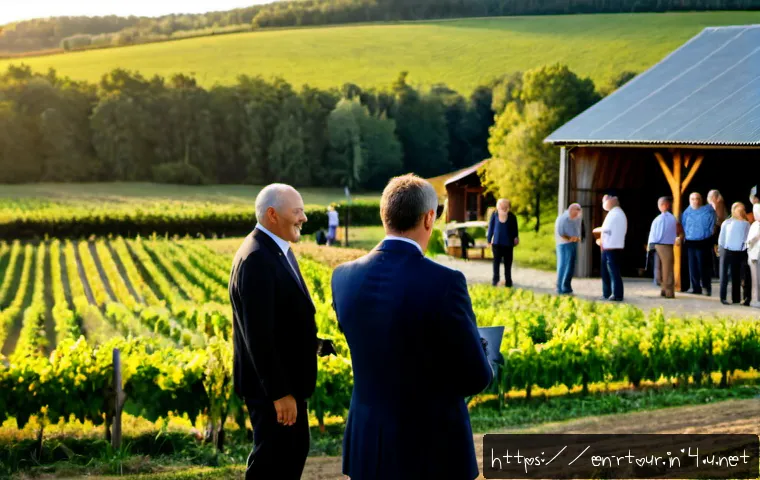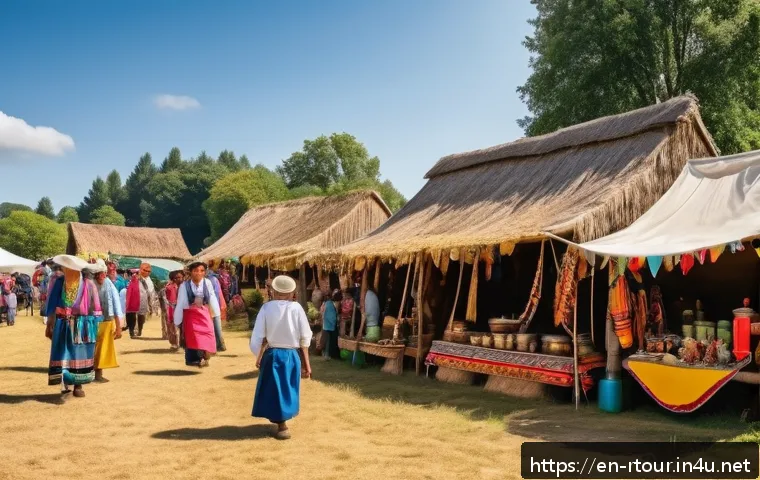
As rural tourism gains momentum as a sustainable travel trend, mastering the essentials for certification exams has never been more crucial. Whether you’re aiming to boost your career or enhance community development, understanding the core subjects can make all the difference.
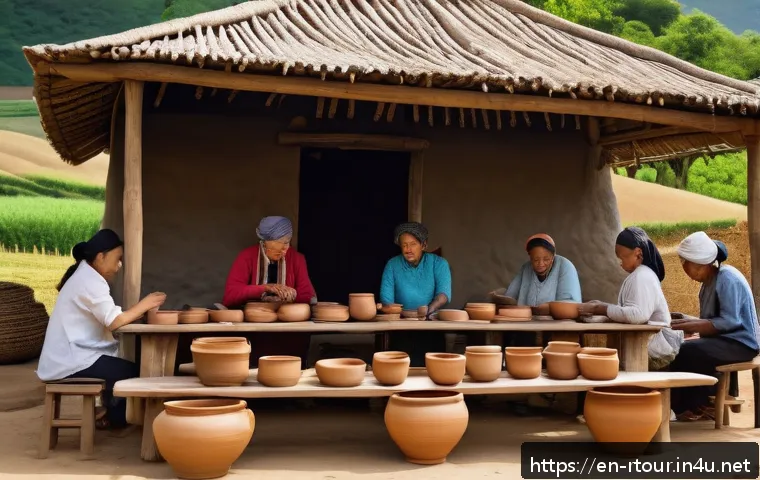
With evolving industry standards and growing demand for authentic rural experiences, preparing strategically is key to standing out. In this post, I’ll share insights drawn from real exam takers and industry pros to help you navigate the most important topics confidently.
Let’s dive into what you need to know to unlock success and make a meaningful impact in rural tourism planning.
Understanding Sustainable Practices in Rural Tourism
Defining Sustainability in Rural Tourism
Sustainability in rural tourism goes beyond just protecting the environment; it integrates economic viability and social equity as well. When preparing for certification exams, grasping the three pillars—environmental, economic, and socio-cultural sustainability—is essential.
It’s about ensuring that rural communities benefit economically while preserving their cultural heritage and minimizing ecological footprints. From my experience working with small-scale rural operators, those who understand how to balance these factors tend to design more resilient tourism projects, which is a key point often tested in exams.
Implementing Eco-Friendly Strategies
Knowing practical examples of eco-friendly strategies can make a huge difference. For instance, promoting low-impact accommodations like eco-lodges, encouraging waste reduction programs, and supporting local organic farming initiatives are common topics.
I recall one exam question focused on how to reduce carbon emissions from tourist transport options in rural areas, which required not only theoretical knowledge but also an understanding of local infrastructure limitations.
Reviewing case studies helps because examiners want to see if you can apply concepts realistically.
Community Involvement and Empowerment
A standout area in rural tourism planning is community involvement. It’s crucial to highlight how engaging locals in decision-making leads to more authentic and sustainable tourism products.
Exam scenarios often present dilemmas where you must choose between top-down management and participatory approaches. Based on feedback from past test-takers, emphasizing participatory planning—where community members have active roles—demonstrates your grasp on best practices and earns valuable points.
Designing Authentic Visitor Experiences
Identifying Unique Rural Attractions
One of the trickiest exam sections I encountered was about pinpointing what makes rural destinations unique. Beyond natural beauty, it’s about cultural traditions, local crafts, festivals, and agricultural lifestyles.
When you understand how these elements contribute to authentic experiences, you can better plan tours that resonate with visitors seeking meaningful connections.
From personal study groups, those who prepared by visiting rural sites themselves found it easier to answer questions related to attraction development.
Creating Immersive Itineraries
Developing detailed itineraries that balance activity, relaxation, and education is another exam focus. Think about how to integrate farm stays, hands-on workshops, and storytelling sessions without overwhelming visitors or the community.
I noticed that examiners appreciate answers that reflect a holistic approach, considering visitor satisfaction and resource sustainability simultaneously.
Crafting sample itineraries during preparation really helped me internalize this balance.
Leveraging Local Culture and Heritage
Understanding how to respectfully incorporate local culture and heritage into tourism products is crucial. This involves knowing cultural sensitivities, avoiding commodification, and promoting cultural pride.
In exam practice, scenarios might ask how to handle requests for cultural performances or traditional food tastings. Drawing from industry insights, the best responses highlight collaboration with cultural custodians and emphasize education over entertainment.
Marketing Strategies Tailored to Rural Tourism
Targeting the Right Audience
Rural tourism marketing requires precision in identifying ideal visitor profiles, such as eco-tourists, adventure seekers, or cultural enthusiasts. During my exam prep, I found it helpful to analyze case studies where marketing campaigns either succeeded or failed due to audience mismatch.
Knowing how to segment markets and tailor messages accordingly is a must-know for certification exams.
Utilizing Digital Platforms Effectively
Digital marketing is no longer optional. Understanding how to leverage social media, blogs, and booking platforms to reach niche markets is key. Exam questions often explore how to create compelling online content that conveys rural authenticity.
I remember one question about using storytelling on Instagram to boost engagement—knowing current trends and best practices made my answer stand out.
Building Partnerships and Networks
Strategic partnerships with local businesses, government agencies, and NGOs can amplify marketing efforts. Certification exams frequently test knowledge of collaborative marketing models and co-branding initiatives.
From direct experience, exam candidates who can articulate the benefits of such networks—like resource sharing and cross-promotion—tend to score higher.
Managing Operational Challenges in Rural Settings
Addressing Infrastructure Limitations
Rural areas often struggle with limited infrastructure such as poor roads, unreliable internet, and scarce accommodation options. Understanding how to plan around these challenges or advocate for improvements is critical.
During my exam, one case study required proposing realistic solutions to infrastructure gaps without overburdening the local environment or budget.
Ensuring Health and Safety Standards
Health and safety are non-negotiable, especially in remote locations. Exam questions may ask about risk management plans, emergency response protocols, and visitor education.

Candidates who can detail practical steps to maintain safety, drawing from rural tourism guidelines, demonstrate professionalism and thorough preparation.
Financial Planning and Budgeting
Effective financial management underpins sustainable rural tourism projects. You should be comfortable with budgeting, cost control, and identifying funding sources like grants or community investments.
I found that working through sample budgets helped me understand cash flow constraints common in rural enterprises, a topic often tested to assess practical competence.
Evaluating Impact and Ensuring Continuous Improvement
Monitoring Environmental and Social Impact
Certification exams emphasize the importance of ongoing impact assessments. Knowing how to design monitoring tools that track environmental degradation, community satisfaction, and visitor feedback is vital.
I recall that examiners expect you to propose measurable indicators and explain how data informs adaptive management.
Using Feedback to Enhance Offerings
Regularly collecting and analyzing visitor and community feedback enables continuous refinement of tourism products. Effective exam answers often include examples of feedback mechanisms like surveys or focus groups, and how their insights lead to tangible improvements.
Reporting and Accountability
Transparency in reporting to stakeholders builds trust and supports sustainable growth. Exam questions may ask you to outline reporting frameworks or communication plans.
Candidates who demonstrate clear, concise reporting strategies that align with industry standards stand out as knowledgeable professionals.
Legal and Ethical Considerations in Rural Tourism
Understanding Regulatory Requirements
Navigating local, regional, and national regulations is a must for rural tourism planners. Knowing permits, zoning laws, and environmental regulations can prevent costly legal issues.
Exam scenarios often test your ability to identify relevant laws and propose compliant strategies.
Promoting Ethical Tourism Practices
Ethical considerations include respecting local customs, preventing exploitation, and ensuring fair economic benefits. I found that exam questions focusing on ethical dilemmas require nuanced answers demonstrating empathy and cultural sensitivity.
Protecting Intellectual Property and Cultural Assets
Safeguarding traditional knowledge and cultural expressions from misuse is increasingly important. Certification exams may explore ways to implement legal protections or community-led governance models.
Drawing on real-world examples helped me craft well-rounded responses in this area.
| Key Exam Topics | Core Concepts | Practical Examples |
|---|---|---|
| Sustainable Practices | Environmental, Economic, Social pillars | Eco-lodges, community participation |
| Authentic Experience Design | Cultural heritage, immersive itineraries | Farm stays, traditional crafts workshops |
| Marketing Strategies | Audience segmentation, digital storytelling | Instagram campaigns, partnership networks |
| Operational Management | Infrastructure, safety, budgeting | Risk plans, grant funding |
| Impact Evaluation | Monitoring tools, feedback integration | Visitor surveys, adaptive management |
| Legal & Ethical Issues | Regulations, ethical tourism, IP protection | Permits, cultural safeguarding |
In Conclusion
Understanding sustainable practices in rural tourism is essential for creating meaningful and lasting benefits for both visitors and local communities. By integrating environmental care, cultural respect, and economic viability, rural tourism can thrive responsibly. This knowledge not only supports exam success but also helps build more resilient and authentic tourism experiences. Embracing these principles will empower you to contribute positively to rural destinations.
Useful Information to Remember
1. Sustainable tourism balances environmental protection, economic growth, and social equity to support rural communities effectively.
2. Designing authentic visitor experiences involves highlighting unique cultural and natural attractions while respecting local traditions.
3. Effective marketing targets niche audiences through digital storytelling and strategic partnerships to maximize outreach.
4. Managing rural tourism operations requires creative solutions to infrastructure challenges and strict adherence to health and safety standards.
5. Continuous evaluation using feedback and impact monitoring ensures tourism offerings remain sustainable and responsive to community needs.
Key Takeaways
Successful rural tourism depends on a holistic approach that respects local culture, environment, and community needs while delivering engaging visitor experiences. Prioritizing community involvement and ethical practices strengthens trust and sustainability. Leveraging digital tools and partnerships enhances marketing effectiveness, and careful operational planning addresses common rural challenges. Finally, ongoing impact assessment and transparent reporting are vital for continuous improvement and accountability.
Frequently Asked Questions (FAQ) 📖
Q: uestionsQ1: What are the key subjects I should focus on when preparing for rural tourism certification exams?
A: The core subjects usually cover sustainable tourism principles, community engagement strategies, rural cultural heritage, and environmental impact management.
Based on feedback from recent exam takers, dedicating time to understanding how to balance economic benefits with preserving local traditions and ecosystems can really set you apart.
Also, practical knowledge of marketing authentic rural experiences and crisis management in remote areas often appears in the exams. I found that integrating case studies into your study routine helps solidify these concepts effectively.
Q: How can mastering rural tourism certification enhance my career prospects or community development efforts?
A: Earning a certification not only boosts your credibility but also opens doors to roles in tourism planning, development agencies, and local government projects.
From what I’ve seen, certified professionals often become trusted advisors who help communities design tourism that respects local culture while generating income.
Personally, I noticed that certification helped me connect with industry networks and access resources that improved my project outcomes. This expertise allows you to lead initiatives that attract responsible travelers and foster sustainable growth in rural areas.
Q: What strategies are most effective for staying updated with evolving industry standards in rural tourism?
A: Staying current involves a mix of continuous learning and active involvement in professional communities. I recommend subscribing to industry newsletters, attending webinars, and joining forums focused on rural tourism innovation.
Networking with experienced practitioners and sharing insights can provide real-time updates on best practices and policy changes. Additionally, revisiting your certification materials periodically and applying new knowledge to real-world scenarios helps keep your skills sharp and relevant in this fast-evolving field.