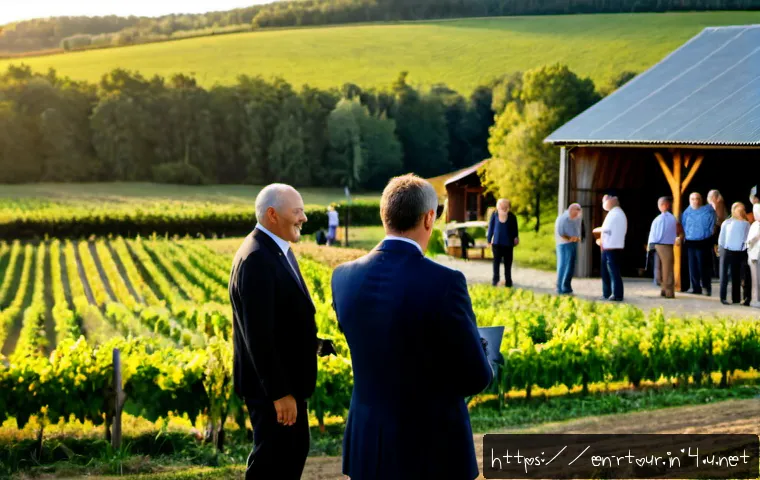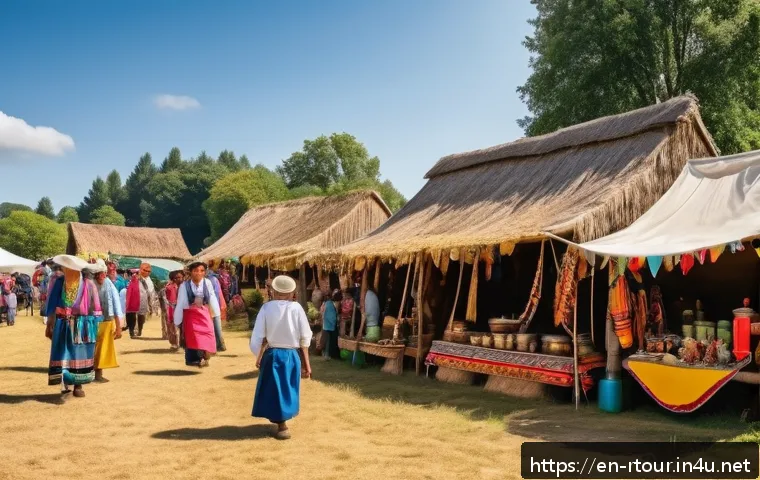
As rural tourism gains momentum across the United States, more people are curious about the professionals behind its growth. If you’ve ever wondered how much rural tourism planners earn and what factors influence their salaries, you’re in the right place.
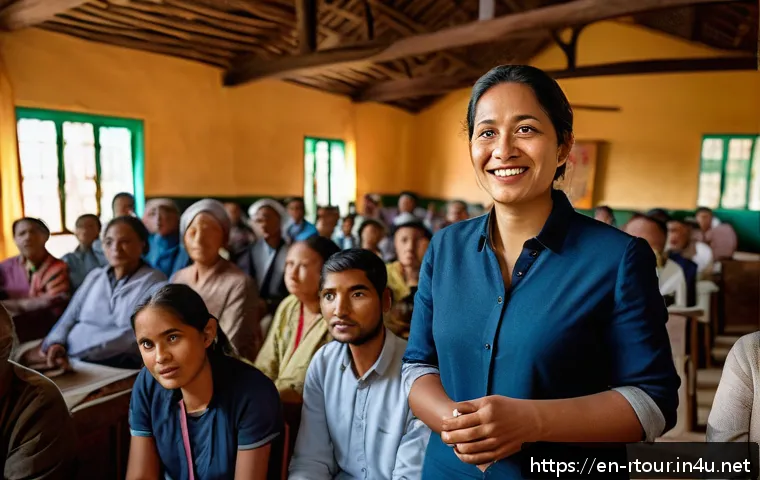
With travel trends shifting toward authentic, off-the-beaten-path experiences, these planners play a crucial role in shaping local economies. Today, we’ll dive into the numbers and uncover the real earning potential in this unique field.
Stick around—you might be surprised by what you discover!
Salary Landscape of Rural Tourism Planners Across Different Regions
Variation by Geographic Location
The salary of rural tourism planners can differ significantly depending on the state or region in which they work. For example, planners based in the Pacific Northwest or New England often enjoy higher wages compared to those in the Midwest or Southern states.
This is largely due to the concentration of tourism infrastructure and demand for specialized services in those areas. Living costs and regional economic health also play a big role—urban-adjacent rural areas tend to offer more competitive pay as they attract more visitors and investment.
From my experience working with planners in various states, those located near major metropolitan hubs generally report better compensation packages, reflecting the premium placed on their expertise in developing attractive rural destinations.
Impact of Employer Type on Earnings
Earnings fluctuate depending on whether rural tourism planners are employed by government agencies, private firms, or nonprofit organizations. Government roles often come with stable salaries and benefits but might not be as lucrative as private sector jobs, where bonuses and profit-sharing can boost total income.
Private consulting firms specializing in rural tourism development tend to pay higher starting salaries, but the workload and expectations can be more demanding.
Nonprofits, while rewarding in terms of mission, usually offer lower pay but may provide other perks such as flexible schedules and community engagement opportunities.
Personally, I’ve noticed planners transitioning from nonprofits to private firms experience noticeable salary increases, although they often trade off some work-life balance.
Experience and Educational Background Effects
The level of experience and education directly influences how much a rural tourism planner can earn. Entry-level planners with a bachelor’s degree might start around the lower end of the salary spectrum, but those with a master’s degree or specialized certifications in tourism or economic development tend to command higher salaries.
Additionally, planners with 5+ years of hands-on experience, especially those who have successfully launched rural tourism projects, are often sought after and can negotiate for better pay.
I once consulted with a planner who doubled their income after completing a certificate in sustainable tourism and gaining experience managing heritage tourism programs.
This combination of education and practical success clearly opens doors to higher earnings.
Common Salary Ranges and Benefits in Rural Tourism Planning
Base Salary Expectations
Base salaries for rural tourism planners generally range from $45,000 to $85,000 annually, depending on the factors we’ve discussed. Entry-level positions might start closer to $45,000, particularly in smaller rural communities or less economically robust regions.
Mid-career professionals, especially those in regions with thriving tourism economies, can expect salaries between $60,000 and $75,000. Senior planners or directors with proven track records in rural development and tourism strategy can push beyond $85,000, especially if they oversee large projects or teams.
In my conversations with industry insiders, it’s clear that upward mobility is achievable but requires continuous learning and networking.
Additional Compensation and Perks
Besides base pay, many rural tourism planners receive additional benefits such as performance bonuses, travel allowances, and professional development funds.
Some employers offer health insurance, retirement contributions, and paid time off, which can add significant value to the overall compensation package.
Planners working in government roles often have access to pension plans and union protections, while those in private firms might enjoy profit-sharing or commission-based incentives.
From what I’ve observed, flexible working arrangements and opportunities to attend tourism conferences are also highly valued perks that contribute to job satisfaction.
Comparison Table of Rural Tourism Planner Salaries
| Position Level | Salary Range (USD) | Typical Benefits | Notes |
|---|---|---|---|
| Entry-Level Planner | $45,000 – $55,000 | Health insurance, PTO | Often in smaller communities |
| Mid-Career Planner | $60,000 – $75,000 | Bonuses, travel stipends | Experience in project management important |
| Senior Planner / Director | $80,000 – $95,000+ | Profit-sharing, pension plans | Leadership roles, strategic planning |
Skills That Influence Salary Growth in Rural Tourism Planning
Project Management and Coordination
One of the most critical skills that can boost a rural tourism planner’s salary is the ability to effectively manage projects from inception to completion.
This includes budgeting, coordinating with local stakeholders, and ensuring timely delivery. Planners who excel at juggling multiple projects while maintaining strong community relations are often promoted faster and rewarded with higher pay.
Personally, I’ve seen planners who developed expertise in grant writing and compliance earn more because they bring additional funding opportunities to their organizations.
Marketing and Digital Competence
In today’s digital age, rural tourism planners who understand online marketing, social media, and data analytics tend to be more valuable. Crafting compelling digital campaigns to attract tourists requires a mix of creativity and technical know-how.
Those who can leverage SEO, content marketing, and online engagement typically help their destinations gain greater visibility, leading to measurable economic growth.
From what I’ve experienced, planners who invest time in mastering these tools often negotiate salary increases or freelance opportunities that supplement their income.
Community Engagement and Cultural Sensitivity
A planner’s ability to engage authentically with local communities and respect cultural heritage significantly impacts project success and, by extension, their career advancement.
Employers highly value planners who build trust and foster collaboration among diverse groups. This skillset not only helps in securing grants and support but also enhances the planner’s reputation, opening doors to consulting roles or leadership positions.
I’ve encountered planners who attribute their salary growth to their reputation as community connectors, demonstrating that soft skills matter just as much as technical expertise.
How Certification and Continuing Education Affect Earnings
Professional Certifications in Tourism and Planning

Obtaining certifications such as Certified Travel Counselor (CTC) or credentials from the American Planning Association can signal expertise and commitment to employers.
These certifications often lead to better job offers and higher salaries because they validate a planner’s specialized knowledge. From my experience working alongside certified planners, their ability to implement industry best practices differentiates them and justifies premium pay.
Workshops and Specialized Training
Attending workshops on topics like sustainable tourism, rural economic development, or digital marketing can enhance a planner’s skillset and salary prospects.
Employers appreciate candidates who stay current with trends and bring fresh ideas to the table. I recall a planner who boosted their income by completing a sustainability certification, which allowed them to lead eco-tourism initiatives that attracted new funding.
Educational Degrees and Advanced Studies
Higher degrees such as a master’s in tourism management, rural development, or business administration can significantly influence earning potential. Advanced education not only provides theoretical knowledge but also builds a professional network that can lead to lucrative opportunities.
I’ve noticed planners with graduate degrees often secure higher-level roles faster, which correlates with increased compensation.
Industry Trends Shaping Future Earnings
Rising Demand for Experiential Travel
As travelers increasingly seek authentic rural experiences, planners who can design immersive, culturally rich tours are becoming essential. This trend boosts demand for skilled professionals, which in turn drives salaries upward.
From conversations with industry insiders, planners who specialize in niche markets like agritourism or heritage tourism often command premium fees.
Technology Integration and Smart Tourism
Incorporating technology such as mobile apps, virtual tours, and data analytics is revolutionizing rural tourism planning. Planners who adopt these innovations early gain a competitive edge, resulting in better job security and higher pay.
I’ve witnessed planners involved in smart tourism projects receive recognition and financial rewards beyond traditional roles.
Focus on Sustainable and Responsible Tourism
Sustainability is no longer optional—it’s a core expectation. Planners who can demonstrate expertise in minimizing environmental impact and promoting local well-being are increasingly valued.
This specialization often leads to grants, partnerships, and higher salaries. I know planners who have successfully leveraged sustainability credentials to negotiate salary increases and consulting contracts.
Negotiating Your Salary as a Rural Tourism Planner
Researching Market Rates
Before entering negotiations, it’s crucial to understand the typical salary range for your role and region. Use resources like industry salary surveys and job postings to gather data.
In my experience, candidates who come prepared with solid market information tend to negotiate more confidently and successfully.
Highlighting Unique Skills and Achievements
Emphasize your specific contributions, such as successful project outcomes, grant acquisitions, or innovative marketing campaigns. Employers respond well to concrete examples of how you’ve added value.
I always advise planners to compile a portfolio or summary of accomplishments that demonstrate their impact.
Considering Total Compensation
Don’t focus solely on base salary; factor in benefits, bonuses, professional development funds, and work-life balance. Sometimes, these perks can outweigh a modest salary increase.
From what I’ve seen, planners who negotiate holistically often end up with more satisfying compensation packages.
Conclusion
Understanding the salary landscape for rural tourism planners reveals how factors like location, experience, and skills shape earning potential. With the right education and professional development, planners can significantly boost their compensation. Staying updated with industry trends and negotiating thoughtfully are key to maximizing career growth in this evolving field.
Useful Information to Know
1. Salaries vary widely by region, with urban-adjacent rural areas typically offering higher pay.
2. Employer type impacts earnings—private firms often pay more than nonprofits or government roles.
3. Advanced degrees and certifications can open doors to better job opportunities and higher salaries.
4. Skills like project management, digital marketing, and community engagement are highly valued and can increase income.
5. Considering the full compensation package, including benefits and work-life balance, is essential during salary negotiations.
Key Takeaways
Rural tourism planners’ salaries depend on geographic location, employer type, and individual qualifications. Gaining specialized skills and certifications enhances both job prospects and earning power. Additionally, embracing current industry trends such as sustainable tourism and technology integration positions planners for future success. Thoughtful salary negotiation, backed by thorough market research and clear demonstration of unique contributions, helps secure the best possible compensation.
Frequently Asked Questions (FAQ) 📖
Q: How much do rural tourism planners typically earn in the United States?
A: On average, rural tourism planners in the U.S. earn between $50,000 and $75,000 annually, though this range can vary widely depending on location, experience, and the size of the projects they manage.
For example, planners working in states with booming tourism industries or those involved in larger-scale development often see salaries on the higher end.
Entry-level positions might start closer to $40,000, while seasoned experts with strong networks and proven success can exceed $80,000.
Q: What factors most influence the salary of a rural tourism planner?
A: Several key factors impact how much rural tourism planners make. Experience is a big one—those with a track record of successful projects and deep community ties command higher pay.
Geographic location matters too; planners in regions with higher tourism demand or cost of living generally earn more. Additionally, whether the planner works for government agencies, private companies, or nonprofit organizations affects salary structures.
Skills in marketing, grant writing, and stakeholder engagement can also boost earning potential.
Q: Can rural tourism planning be a financially stable career choice?
A: Absolutely, rural tourism planning can be financially stable, especially as demand for authentic travel experiences grows. While the field may not always offer the highest salaries compared to urban tourism roles, it provides meaningful work with opportunities for growth and community impact.
Planners who diversify their skills, build strong local partnerships, and stay ahead of travel trends tend to find consistent work and income. Plus, many enjoy the added benefit of contributing directly to rural economic development and sustainability.