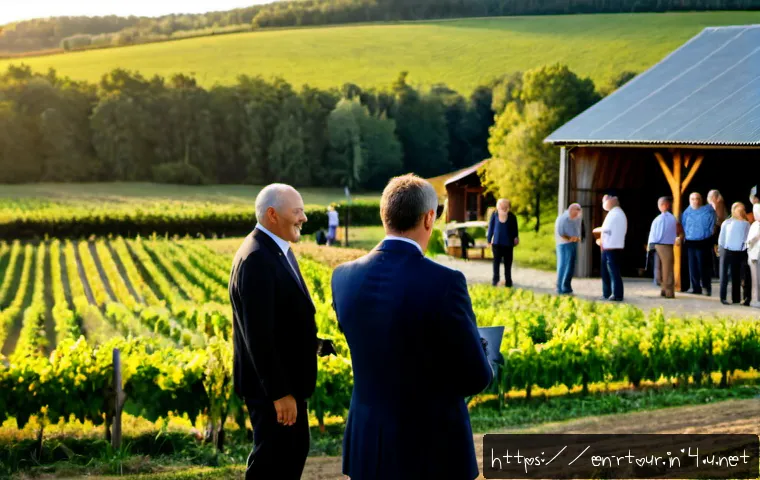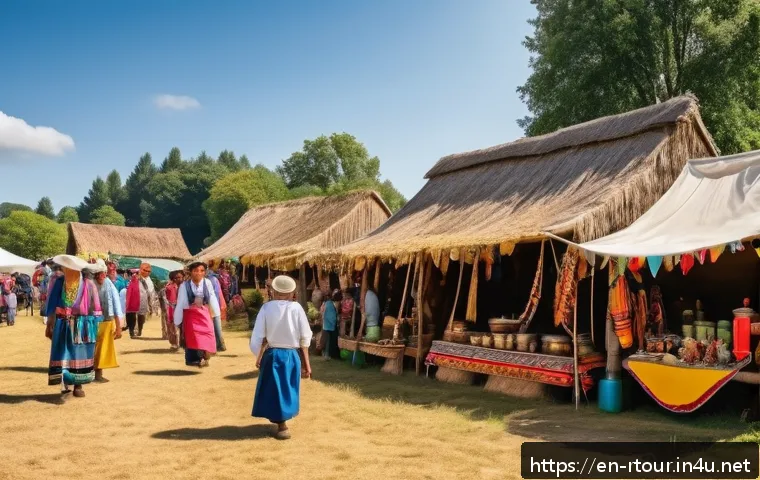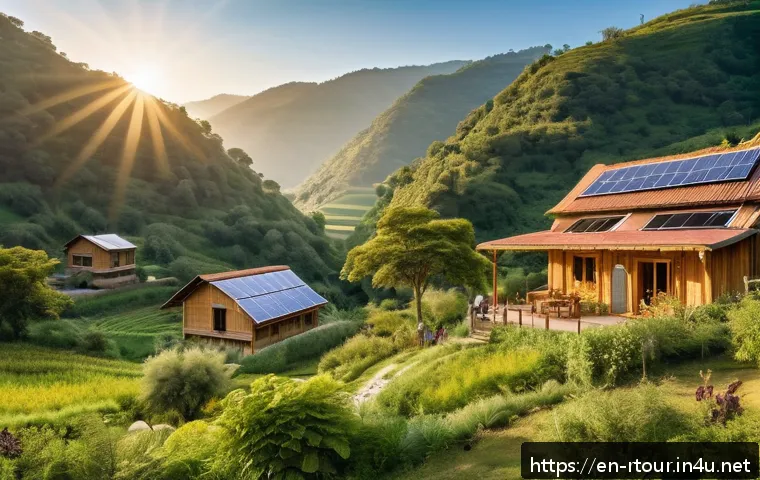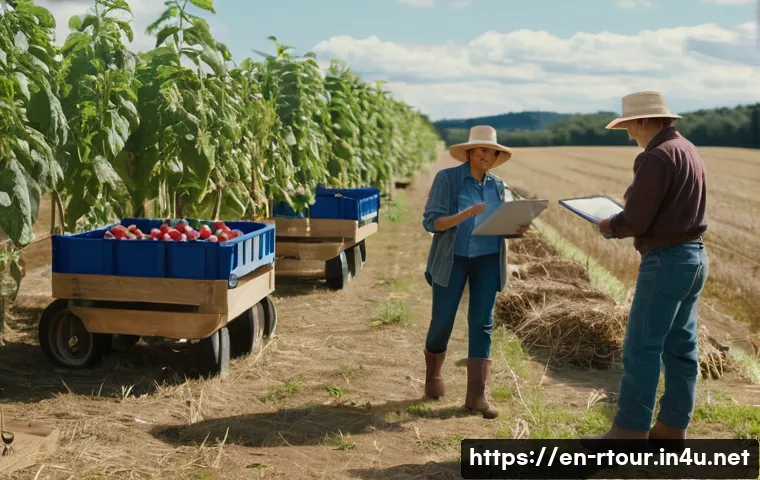
If you’ve ever imagined turning quiet countrysides into engaging visitor stories, preparing for a rural tourism planner certification is the practical roadmap to get you there.

([ahs.illinois.edu](https://ahs.illinois.edu/agritourism-certificate?utm_source=openai))
These programs typically blend on-the-ground site visits, community engagement, and essential business skills—an approach increasingly offered by university certificates and regional tourism studios.
([ahs.illinois.edu](https://ahs.illinois.edu/agritourism-certificate?utm_source=openai))
Expect hands-on practice designing short farm-to-table or agritourism itineraries, learning risk and operations management, and building marketing plans that attract responsible small-group travel.
([unwto-tourismacademy.ie.edu](https://www.unwto-tourismacademy.ie.edu/product/get-certified-tourism-product-development?utm_source=openai))
Formats and costs vary—from brief online modules to full academic certificates and state-supported initiatives—so compare delivery, time commitment, and regional fit before you enroll.
([elevify.com](https://www.elevify.com/en/courses/food-gastronomy-and-hospitality/travel-and-tourism/curso-de-turismo-rural-e63bb?utm_source=openai))
I’ll walk you through the exact steps and practical tips—let’s get specific below!
Designing Hands‑On Learning That Actually Sticks
Field visits that teach more than sightseeing
I always urge planners to treat every site visit as a tiny classroom: start with a clear learning objective, follow with an operations debrief, and end with a practical tweak you can test the next week. When I led small cohorts, we did a pre‑visit checklist with the host (safety, parking flow, visitor capacity) and a short post‑visit sprint where everyone sketched a 90‑minute guest flow that fixed one glaring friction. This pattern—prepare, observe, iterate—turns passive tours into repeatable products that hosts can run without constant consultant support.
On-site learning reveals details that textbooks miss: the noise of a tractor at 11am, the single bathroom pinch point, the best camera angles for a farm-to-table demo. Designing visits around those realities makes your itineraries workable and memorable, not just picturesque. Repeat this process across at least three different enterprises (u‑pick, educational demo, and a tasting/meal) to build transferable skills you can package for clients or employers.([ahs.illinois.edu](https://ahs.illinois.edu/agritourism-certificate?utm_source=openai))
Capstones, micro‑projects, and portfolio pieces
Short, graded capstone projects are the fastest way to show competence: build a 4‑hour experience, draft the operations checklist, create an emergency plan, and produce a two‑page marketing brief. I recommend keeping every capstone piece portfolio‑ready—photos, one‑page plans, and a 90‑second video pitch—so you can show tangible results in interviews or on freelance platforms. Practically speaking, employers and host farms want to see that your idea was implemented or at least tested; a portfolio replaces vague claims with proof of execution.
Academic certificates that include experiential capstones force you to translate classroom frameworks into visitor‑ready products; if you can, pick programs that require a real host partnership so your capstone has a live testing ground and feedback loop.([ahs.illinois.edu](https://ahs.illinois.edu/agritourism-certificate?utm_source=openai))
Mapping Community Partnerships That Pay Off
Stakeholder mapping and realistic value propositions
Start your partnership work with a simple question: “What does the host need most next quarter?” In practice that means listening more than selling—identify revenue shortfalls, staffing pain points, or regulatory hurdles and design a low‑risk pilot that addresses one issue. I’ve seen the fastest buy‑in when the pilot guarantees one concrete benefit (20% more weekend bookings, or a weekend where volunteer staff hours are reduced by 30%).
Document the value chain clearly—who gains ticket revenue, who gets the food margins, and who covers insurance. When everyone can see a fair split and a clear timeline, a skeptical farmer becomes a collaborator, not just a venue. This is the kind of stakeholder engagement taught in many accredited rural tourism modules and professional courses.([unwto-tourismacademy.ie.edu](https://www.unwto-tourismacademy.ie.edu/product/get-certified-tourism-product-development?utm_source=openai))
Co‑creating experiences with local businesses
Co‑creation is a tiny revolution in rural offers: pair a cider maker with a local chef, or map a walking loop that features a cheese tasting, a farm tour, and a craft demo. My rule of thumb is to keep the guest’s total travel time under 60 minutes between stops for day‑trips; beyond that you need lodging or change the product to an overnight. Co‑creation spreads cost, amplifies marketing reach, and builds more resilient visitor legs because multiple partners promote the same product.
Make a simple memorandum of understanding for any collaboration—roles, revenue split, cancellation policy—and treat it like a product spec rather than a legal dead end. That practical habit cuts friction and keeps partnerships running season after season.([unwto-tourismacademy.ie.edu](https://www.unwto-tourismacademy.ie.edu/?utm_source=openai))
Operational Must‑Haves for Safe, Scalable Visits
Risk management basics that protect hosts and guests
Learn to build an operational risk register: list hazards, likelihood, mitigation, and an owner for each mitigation. In agritourism that typically includes animal interactions, tractors and farm machinery, uneven terrain, and food safety issues—each one needs a specific control and a communication script for staff. I always advise testing emergency drills once during pre‑season training so that staff are not reacting for the first time during a real incident.
Many extension programs and training modules explicitly cover these topics and provide templates for signage, consent forms, and staff briefings; borrowing those templates saves time and avoids reinventing the wheel. Use those templates as a baseline and adapt language to local regulations and visitor demographics.([agritourism.rutgers.edu](https://agritourism.rutgers.edu/training/modules.html?utm_source=openai))
Staffing, scheduling, and peak day playbooks
Operationally, the difference between a one‑star and a five‑star rural experience is predictable staffing and a tested peak‑day playbook. Create a half‑page shift brief for each role (gate, guide, food station) that lists top three responsibilities, top two failure modes, and the escalation path. Run a mock “rush hour” drill with staff where you simulate a queue, a food spill, and a lost child scenario—those drills expose friction that theory cannot.
Work out simple SOPs for weather cancellations, refunds, and email templates for guests—these small artifacts protect the host and preserve the guest experience when things go sideways. That practicality is as valuable in a certificate classroom as in a real farmyard.([ahs.illinois.edu](https://ahs.illinois.edu/agritourism-certificate?utm_source=openai))
Marketing Small‑Group Rural Experiences That Convert
Positioning for the right audience
Market fit beats broad marketing every time. Decide if your product is family‑friendly, date‑market, culinary‑curious, or adventure‑seeking, and then tailor messaging and channels accordingly. I helped a client pivot from “general farm tour” to “hands‑on harvest + brunch for food lovers,” and conversions doubled because the revised message matched a clearer audience segment. Use images of real guests, short testimonial clips, and clear accessibility notes to remove friction at the booking stage.
Small groups (<16) sell well for experiential formats because they allow authentic engagement and easier logistics—state that group size explicitly in listings and use scarcity (limited dates) to boost urgency. Clear, honest positioning reduces last‑minute cancellations and improves guest satisfaction.([unwto-tourismacademy.ie.edu](https://www.unwto-tourismacademy.ie.edu/product/get-certified-tourism-product-development?utm_source=openai))
Low‑budget digital channels and partnerships
For rural offers, local SEO, niche newsletters, and partnership cross‑promos beat broad paid campaigns for ROI. My pragmatic sequence: a crisp listing page with availability, a tiny booking engine or integration with a simple reservations tool, three targeted newsletter swaps with local food/wellness lists, and a few boosted social posts aimed at audiences within a 90‑minute drive. Track cost per booking and stop channels that miss your target ROI after one season.
Partner channels—tourism offices, local food hubs, and state extension programs—often amplify your reach for little or no cost and lend local credibility to brand new products. That approach is emphasized in short professional courses and MOOCs focused on rural tourism marketing.([unwto-tourismacademy.ie.edu](https://www.unwto-tourismacademy.ie.edu/?utm_source=openai))
Choosing the Right Certificate Format for Your Next Leap
How to compare online short courses, college certificates, and extension programs
Not all certificates are created equal—some are short, practical, and cheap, while university‑backed certificates are longer, credit‑bearing, and more robust. If you need immediate skills to launch a product, an 8‑hour online MOOC or a weeklong extension workshop will deliver practical templates and marketing chops quickly. If you want credentials for a career pivot into destination management or academia, look for a credit certificate that includes a capstone and industry faculty.
Consider time commitment, deliverables, and credential recognition in your job market: a 14‑credit university certificate will carry weight when applying to certain public or nonprofit roles, while a focused online course is more about skills you can implement this summer. Evaluate programs against concrete criteria: learning outcomes, assessment type, hands‑on components, and alumni outcomes.([ahs.illinois.edu](https://ahs.illinois.edu/agritourism-certificate?utm_source=openai))
Typical time, cost, and outcomes to expect
Brief professional courses range from a few hours to a few weeks and are often priced modestly (€0–€200 for many industry MOOCs), whereas academic certificates can span a semester or more and carry tuition‑level costs. Extension modules from land‑grant universities tend to be low or no cost and are laser‑practical, focusing on liability, marketing, and risk management. Choose what aligns with your near‑term need: immediate skills, a networked capstone, or academic credits that stack toward a degree. Pricing and structure vary widely, so compare syllabi and the real deliverables you’ll walk away with before enrolling.([unwto-tourismacademy.ie.edu](https://www.unwto-tourismacademy.ie.edu/product/get-certified-tourism-product-development?utm_source=openai))
Building a Hireable Portfolio and Monetizing Skills
What to include in a rural tourism planner portfolio
Employers want to see deliverables, not buzzwords. Your portfolio should include: one-page itineraries with timing and staffing, a photographed run‑through of a live pilot, a one‑page risk register, sample social posts and email templates, and a short case study with metrics (bookings, revenue uplift, or guest satisfaction). I recommend packaging these as a single PDF and a lightweight web page for sharing—clarity and accessibility matter more than slick design.
Include at least one documented pilot where you worked with a host and show measurable impact, even if the metric is small (e.g., 12 bookings from a pop‑up weekend). Concrete results beat hypothetical plans every time.([ahs.illinois.edu](https://ahs.illinois.edu/agritourism-certificate?utm_source=openai))
Ways to monetize skills beyond full‑time roles
Freelance product sprints, seasonal operational audits, and commissioned pilot builds are high‑value, low‑time ways to monetize rural tourism skills. I usually offer a packaged “weekend product sprint” to hosts: a site visit, a product spec, marketing assets, and a one‑month follow‑up for a fixed fee—hosts appreciate predictability and you get repeatable revenue. Also consider teaching a short workshop through a community college or extension office; teaching gigs boost credibility and often lead to paid consulting referrals.
Finally, list your availability on local tourism directories and pitch bundled offers to nearby B&Bs or culinary partners—small, recurring partnerships are worth more than a single big project in the long run.([sheridan.edu](https://www.sheridan.edu/academics/agritourism/?utm_source=openai))
| Program Type | Typical Duration | Common Price Range | Delivery Format | Example Providers |
|---|---|---|---|---|
| University credit certificate | One semester to a year (e.g., 14 credit hours) | Tuition‑level (varies by institution) | Hybrid or on‑campus with capstone | University agritourism certificates (e.g., Illinois). |
| Professional MOOC / short course | Hours to 4 weeks | Low cost (often under €100) | 100% online, modular | UNWTO Tourism Academy courses. |
| Extension / training modules | Modular (self‑paced or multi‑session) | Free to low cost | In‑person workshops and downloadable templates | Land‑grant university extension programs (Rutgers modules). |
| Community college / vocational certificate | Several weeks to a semester | Affordable, local tuition | Hands‑on labs, local partnerships | Regional colleges offering agritourism certificates. |
The table above summarizes common delivery options, durations, and price expectations so you can match your learning goals to the right format; short MOOCs are great for quick skills, university certificates for deeper academic credit, and extension modules for practical templates and risk management frameworks. For examples of a university credit pathway and a short professional course, see the Illinois agritourism certificate and the UNWTO Tourism Academy offering respectively.([ahs.illinois.edu](https://ahs.illinois.edu/agritourism-certificate?utm_source=openai))
Closing thoughts
Treat every site visit as a compact learning cycle: set a clear objective, observe with intention, debrief quickly, and test one practical tweak the following week.
This prepare–observe–iterate rhythm turns passive tours into repeatable visitor products that hosts can run without constant oversight.
Short capstones and real host partnerships force you to translate theory into measurable outcomes, which is what employers and guests actually value.
Design for reality—noise, pinch points, camera angles—and your itineraries will be workable, memorable, and easier to scale.
Start small, document everything, and use each pilot as portfolio proof you can show in interviews or client pitches.
Iterate on feedback, protect safety with clear SOPs, and prioritize one concrete metric for each pilot so success is visible.
If you can run three different pilots (u‑pick, demo, tasting) you’ll have transferable skills and bankable evidence of impact.
Keep the human element front and center: guests remember experiences led by knowledgeable hosts who make space for participation and reflection.
Useful things to know
1. Start every visit with a one‑sentence learning objective and a short checklist for safety and flow — this saves time and prevents avoidable problems.
2. Use a 90‑minute guest flow sketch in the post‑visit sprint to fix a single friction you observed; small, fast changes compound.
3. Keep capstones portfolio‑ready: photos, a one‑page plan, and a 90‑second pitch video so you can prove implementation to employers or hosts.
4. For collaborations, limit travel between stops to about 60 minutes for day trips and document roles and revenue splits in a simple MOU.
5. Track one clear metric per pilot (bookings, reduced staff hours, or revenue uplift) and report it—measurable wins convert skeptics into partners.
Notes: these tiny, repeatable habits make your offers safer, marketable, and easier to scale across seasons and host types.
Practical tip: prioritize local SEO and newsletter swaps over broad paid ads when budgets are tight.
Quick win: run one “weekend product sprint” package to build cashflow and real‑world case studies for your portfolio.
Key points summary
Prioritize hands‑on, testable learning: prepare clear objectives, observe with a structured note form, and iterate quickly so each visit becomes a product rather than a one‑off tour.
Design operational basics early—risk registers, simple SOPs, and half‑page shift briefs—to protect hosts and guests and to make peak days predictable.
Co‑create with local partners to share costs and cross‑promote, but keep agreements simple and outcome‑focused so collaboration stays practical.
Make every capstone and pilot portfolio‑ready with measurable outcomes; employers and hosts respond to evidence of implementation more than theoretical plans.
Market to a specific audience, use scarcity and real guest imagery, and favor local channels (SEO, niche newsletters, tourism offices) for higher ROI.
Monetize with packaged sprints, seasonal audits, and workshops that deliver fast value and repeat clients rather than one‑off projects.
Keep iterating: collect feedback, run mock drills before season, and treat each pilot as data for your next, better offer.
Ultimately, build small, measurable wins into a consistent process—those wins are what scale into sustainable rural tourism products and a hireable, monetizable skillset.
Frequently Asked Questions (FAQ) 📖
Q: What topics and hands-on skills do rural tourism / agritourism certification programs usually cover?
A: Most programs teach a mix of practical business skills and place-based practice — think designing short farm-to-table or agritourism itineraries, stakeholder and community engagement, site visits and on-farm experiential learning, risk and operations management, and marketing for small-group responsible travel; university certificates often package these into credit-based courses with a hands-on capstone.
([ahs.illinois.edu](https://ahs.illinois.edu/agritourism-certificate?utmsource=openai))
Q: How long do these programs take and how much should I expect to pay?
A: Formats vary widely: short, 100% online modular courses can run a few hours to a few weeks and may cost under €50 (or equivalent), while university certificates are semester-based (for example a 14-credit agritourism certificate at a U.S.
college) and follow academic schedules; there are also low-cost self-paced state or extension courses (some listed at about $20) and private providers with broader price ranges — always compare time commitment, delivery (online vs.
hybrid vs. in-person), and regional fit before enrolling. ([unwto-tourismacademy.ie.edu](https://www.unwto-tourismacademy.ie.edu/product/get-certified-tourism-product-development?utmsource=openai))
Q: Will getting a rural tourism planner or agritourism certificate actually help me launch a business or get a job?
A: Yes — a certificate won’t replace local licenses or years of business experience, but it does give practical skills (product design, market research, pricing, safety planning), documented coursework or a capstone you can show to partners, and access to faculty/peer networks that speed up launch or employability; pair the certificate with local permitting knowledge and a small pilot itinerary to turn learning into revenue.
([ahs.illinois.edu](https://ahs.illinois.edu/agritourism-certificate?utmsource=openai))