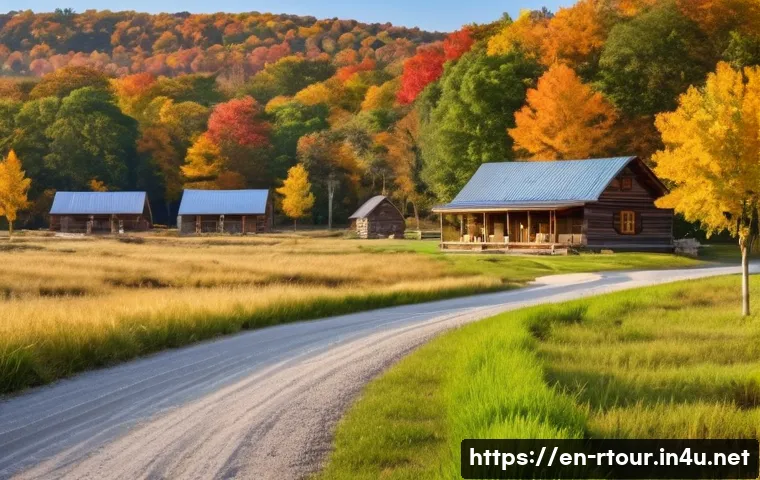
Navigating the certification process for rural tourism planners can seem overwhelming at first, especially when trying to understand the exam subjects involved.
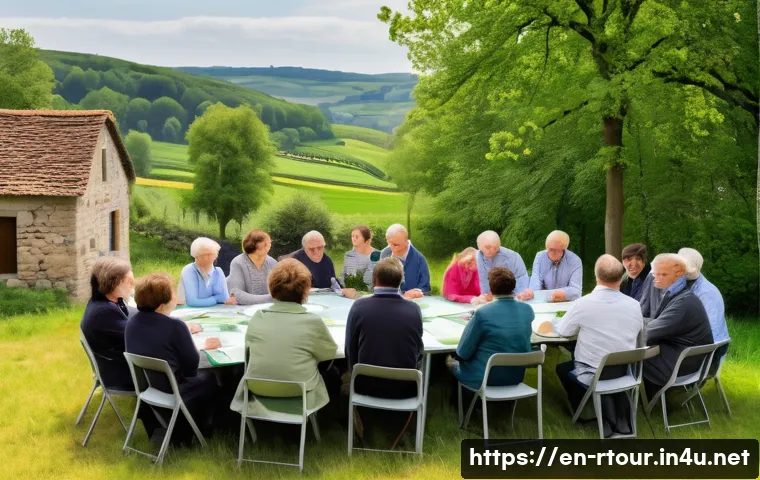
This certification not only validates your expertise but also opens doors to exciting career opportunities in sustainable travel and community-based tourism.
Knowing what topics to focus on is crucial to boost your confidence and improve your chances of success. Whether you’re a seasoned professional or just starting out, having a clear grasp of the exam structure will help you prepare more effectively.
Let’s dive into the details and explore what the exam really entails—I’ll break it down so you can tackle it with ease! Stay with me as we uncover everything you need to know.
Understanding the Core Concepts of Rural Tourism Planning
What Defines Rural Tourism?
Rural tourism is all about experiencing the authentic life and culture of countryside areas, often emphasizing sustainability and community involvement.
When preparing for the exam, it’s essential to grasp how rural tourism differentiates itself from urban tourism or mass tourism. The exam often tests your understanding of rural tourism’s unique characteristics, such as its focus on natural landscapes, local traditions, and smaller-scale accommodations.
In my own experience, seeing how rural tourism supports local economies by preserving cultural heritage was eye-opening, and that kind of insight definitely helps when answering scenario-based questions on the test.
Key Principles Behind Sustainable Rural Tourism
Sustainability is a hot topic in any tourism-related field, and for good reason. The certification exam expects you to know how to balance economic growth with environmental protection and social equity.
This means understanding strategies that minimize ecological footprints while maximizing benefits to local communities. I remember studying case studies where planners had to design projects that maintained biodiversity and respected indigenous cultures—knowing these examples really solidified my grasp of sustainable practices.
Be prepared to explain concepts like eco-friendly accommodations, waste management, and community participation in your answers.
Community-Based Tourism and Its Impact
One of the exam’s focal points is community-based tourism (CBT), where the local population actively participates in and benefits from tourism development.
This concept is more than just a buzzword; it’s a practical approach that ensures tourism projects align with the community’s needs and values. From my own projects, I’ve learned that understanding how to engage stakeholders, negotiate interests, and foster local leadership is crucial.
The exam might ask you to propose plans that enhance community welfare or resolve conflicts, so focusing on social dynamics and empowerment strategies will give you an edge.
Mastering the Regulations and Policy Frameworks
National and Local Laws Affecting Rural Tourism
Certification exams often include questions about the legal landscape surrounding rural tourism. This includes zoning laws, environmental regulations, and tourism development policies that vary widely depending on the country or region.
I found it helpful to study examples from various governments to see how policies encourage or restrict rural tourism growth. For instance, some areas offer tax incentives for eco-lodges, while others enforce strict conservation rules.
Knowing these nuances will allow you to answer questions about compliance and strategic planning with confidence.
International Guidelines and Best Practices
Beyond national laws, international organizations like the UNWTO provide guidelines promoting responsible rural tourism. The exam may test your knowledge of these global standards and how they apply locally.
I personally benefited from reviewing documents that stress cultural preservation, environmental stewardship, and inclusive economic development. Being able to reference these frameworks in your answers not only demonstrates expertise but also shows a well-rounded understanding of the field.
Policy Challenges and Solutions
Understanding the challenges policymakers face is just as important as knowing the rules themselves. The exam might ask you to analyze or suggest solutions to issues like over-tourism, land disputes, or lack of infrastructure.
Drawing from real-world examples, I found that discussing innovative solutions such as community co-management or public-private partnerships adds depth to my responses.
Reflecting on these complex dynamics will prepare you to tackle scenario questions that require critical thinking and problem-solving.
Essential Skills in Rural Tourism Project Design
Conducting Feasibility Studies and Market Analysis
One of the more technical areas the exam covers is project design, especially feasibility studies. This involves analyzing whether a rural tourism project is viable in terms of financial, environmental, and social factors.
I recall working on a project where market analysis helped identify target visitors and demand patterns—skills like these are often tested, so make sure you understand how to gather data, interpret trends, and assess risks effectively.
Designing Sustainable Infrastructure
Infrastructure planning in rural areas requires special attention to sustainability and community impact. The exam expects you to know how to design facilities such as eco-friendly lodges, trails, and visitor centers that blend with the environment and serve locals.
In my experience, highlighting the use of renewable energy, local materials, and low-impact construction methods shows examiners your practical knowledge and commitment to sustainability.
Marketing and Promotion Strategies
Effective promotion is crucial for attracting visitors to rural destinations. The exam may ask about marketing techniques tailored to rural tourism, including digital campaigns, storytelling, and collaboration with local artisans.
I found that emphasizing authentic experiences and personal connections in marketing efforts resonates well, both with examiners and real-world customers.
Understanding how to leverage social media and partnerships will definitely boost your exam performance.
Managing Stakeholders and Community Engagement
Identifying and Involving Key Stakeholders
Rural tourism projects thrive on collaboration among a diverse group of stakeholders—local residents, government officials, NGOs, and tourists themselves.
The exam will likely test your ability to identify who these stakeholders are and how to engage them effectively. From my own experience, open communication and transparent decision-making processes are vital, and knowing conflict resolution techniques can make a real difference in exam scenarios.
Building Community Capacity and Ownership
Empowering local communities to take ownership of tourism initiatives is a central theme in the certification. The exam might focus on how planners can build local skills, leadership, and participation.
Reflecting on projects where training programs or cooperative models were implemented helped me understand the importance of capacity building. Demonstrating this knowledge shows that you’re not only a planner but also a catalyst for positive social change.
Maintaining Long-Term Relationships
Sustaining rural tourism requires ongoing relationship management. The exam could ask how to maintain trust and cooperation over time despite challenges like changing leadership or economic shifts.
I’ve found that establishing clear agreements, regular feedback loops, and inclusive governance structures are effective strategies. Sharing such insights in your answers will highlight your practical wisdom and experience.
Financial Planning and Resource Management
Budgeting and Funding Sources
Knowing how to create realistic budgets and identify funding sources is crucial for any rural tourism planner. The exam often includes questions about different financing options such as grants, loans, or community investments.
I personally had to navigate these aspects when developing projects, and understanding the pros and cons of each funding type helped me answer exam questions that required financial acumen.
Cost-Benefit Analysis and ROI
Evaluating the economic feasibility of projects through cost-benefit analysis is a key skill tested in the certification. This involves quantifying both tangible and intangible benefits versus costs.
I found that practicing with real-life examples of rural tourism initiatives sharpened my ability to assess return on investment (ROI) accurately. Being able to explain these concepts clearly will set you apart in the exam.
Managing Natural and Human Resources
Efficient resource management is vital for sustainability. The exam might ask about strategies for optimizing the use of natural assets like water and land, as well as human resources such as local labor and expertise.
From my perspective, emphasizing adaptive management and continuous monitoring shows a deep understanding of maintaining balance between growth and preservation.
Environmental and Cultural Preservation Techniques
Protecting Natural Ecosystems
Preserving the environment is a cornerstone of rural tourism planning. The exam will test your knowledge of methods to protect forests, wildlife, and water resources while allowing tourism activities.
I remember studying how buffer zones, conservation easements, and habitat restoration projects functioned in different regions. Being able to describe these techniques with examples demonstrates your ability to integrate environmental care into planning.
Safeguarding Cultural Heritage
Cultural preservation goes hand-in-hand with environmental protection. The exam often emphasizes the importance of respecting local traditions, arts, and historical sites.
I’ve seen firsthand how involving community elders and cultural experts in planning ensures authenticity and respect. Highlighting these approaches in your exam answers shows sensitivity and comprehensive understanding.
Monitoring and Evaluation for Preservation Efforts
Effective preservation requires ongoing monitoring and evaluation. The exam may ask how to measure the impact of tourism on natural and cultural resources.
I found that using indicators like visitor numbers, biodiversity indexes, and community satisfaction surveys provides concrete data. Knowing how to interpret and act on these results is crucial for adaptive management and exam success.
Exam Subject Overview and Preparation Tips
Summary of Major Exam Topics
To give you a clearer picture, here’s a table summarizing the main subjects you’ll encounter on the rural tourism planner certification exam. This overview helped me organize my study schedule and focus on areas needing more attention.
| Subject Area | Key Concepts | Typical Question Types |
|---|---|---|
| Rural Tourism Fundamentals | Definitions, characteristics, types | Concept explanations, scenario analysis |
| Sustainable Practices | Eco-tourism, community involvement, resource management | Case studies, strategy proposals |
| Legal & Policy Frameworks | Local/national laws, international guidelines | Compliance questions, policy critique |
| Project Design & Marketing | Feasibility studies, infrastructure, promotion | Project planning, marketing strategy |
| Stakeholder Engagement | Community participation, conflict resolution | Stakeholder mapping, engagement plans |
| Financial Management | Budgeting, funding, cost-benefit analysis | Financial planning, ROI calculations |
| Environmental & Cultural Preservation | Conservation, heritage protection, monitoring | Preservation strategies, impact assessment |
Study Strategies That Worked for Me
Breaking down the exam into these topics made preparation manageable. I recommend creating a study plan that rotates through each subject weekly, mixing reading with practical exercises like case study analyses or mock exams.
Using flashcards for key terms and discussing topics with peers or mentors also deepened my understanding. Remember, the goal is not just memorization but being able to apply concepts creatively.
Common Pitfalls to Avoid
One mistake I often see among candidates is neglecting the practical application of knowledge. Don’t just focus on theory; try to relate concepts to real situations you’ve encountered or read about.
Another trap is underestimating the importance of the legal and financial sections—these are often overlooked but can be decisive. Lastly, avoid cramming.
The exam rewards steady, thoughtful preparation over last-minute memorization.
글을 마치며
Rural tourism planning is a dynamic field that blends cultural preservation, environmental care, and community empowerment. Mastering its core concepts and practical applications prepares you not only for certification exams but also for making a real impact in rural destinations. With steady study and real-world insight, you can confidently navigate the challenges and opportunities this sector offers. Remember, your role as a planner is vital in shaping sustainable and meaningful tourism experiences.
알아두면 쓸모 있는 정보
1. Understanding local community dynamics is just as important as knowing tourism principles—engagement leads to success.
2. Sustainable infrastructure doesn’t have to be costly; using local materials and renewable energy can save resources and enhance authenticity.
3. Digital marketing tailored to rural tourism should emphasize storytelling and personal connections to attract the right visitors.
4. Keep updated with both national policies and international guidelines, as they often influence funding and project approvals.
5. Continuous monitoring and adaptive management ensure long-term preservation of natural and cultural assets, benefiting all stakeholders.
중요 사항 정리
Effective rural tourism planning requires a balanced approach that respects environmental limits and cultural heritage while fostering economic and social benefits. Key to success is engaging local communities meaningfully, understanding legal frameworks, and designing projects with sustainability at their core. Financial planning and stakeholder management are equally critical, ensuring projects are viable and inclusive. Lastly, ongoing evaluation helps adapt strategies, securing lasting positive impacts for rural areas.
Frequently Asked Questions (FAQ) 📖
Q: What are the main subjects covered in the rural tourism planner certification exam?
A: The exam typically covers a blend of topics essential for effective rural tourism planning. You can expect questions on sustainable tourism principles, community engagement strategies, environmental impact assessments, local culture and heritage preservation, and tourism marketing tailored to rural settings.
Understanding regional economic development and legal regulations related to tourism is also crucial. From my experience, focusing on these areas not only helps you pass the exam but also equips you to create meaningful tourism experiences that benefit both travelers and local communities.
Q: How can I best prepare for the rural tourism planner certification exam?
A: Preparing effectively means combining theory with real-world insights. Start by reviewing core subjects like sustainable tourism and community-based development.
Use case studies to see how these concepts play out on the ground—this really helped me connect the dots. Additionally, try to gain some hands-on experience or at least immerse yourself in current trends by following industry reports and networking with professionals.
Practice with sample questions if available, and allocate study sessions focusing on your weaker areas. This approach boosted my confidence significantly and made the exam feel more manageable.
Q: Are there any tips for managing exam stress and improving focus during the rural tourism planner certification test?
A: Absolutely! Managing stress is key to performing your best. I found that a well-structured study plan eased my anxiety by giving me a clear roadmap.
On exam day, make sure you get a good night’s sleep and eat a balanced meal beforehand to keep your energy steady. During the test, take a few deep breaths if you feel overwhelmed and tackle the questions you’re most comfortable with first to build momentum.
Remember, the exam is designed to assess your knowledge, not to trick you. Keeping a positive mindset and pacing yourself can make a huge difference in your overall performance.