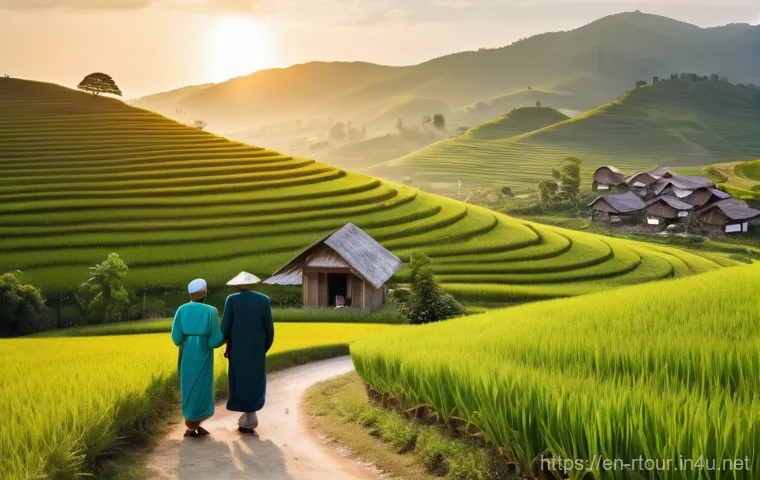
There’s an undeniable magic in rural tourism, isn’t there? The promise of authentic experiences, breathtaking landscapes, and a genuine connection with local life.
It’s a vision many dream of bringing to life, whether you’re a budding entrepreneur, a community leader, or simply passionate about sustainable travel.
But here’s the thing I’ve learned firsthand over the years: turning those beautiful dreams into a thriving, impactful reality is far from simple. In my journey working with countless rural initiatives and observing trends in responsible tourism, I’ve personally witnessed how easily even the most brilliant plans can stumble and why it’s absolutely crucial to get it right.
From overlooking critical environmental impacts to missing the mark on true local engagement and sustainable practices, seemingly small missteps in the planning phase can have colossal, long-lasting consequences for everyone involved.
It’s a tough lesson to learn when projects don’t pan out, but one we absolutely need to grasp if we’re to build truly meaningful and prosperous rural destinations that benefit both visitors and residents.
Ready to uncover the most common pitfalls in rural tourism planning and arm yourself with the knowledge to avoid them? Let’s get into it!
Ignoring the Heartbeat of the Community
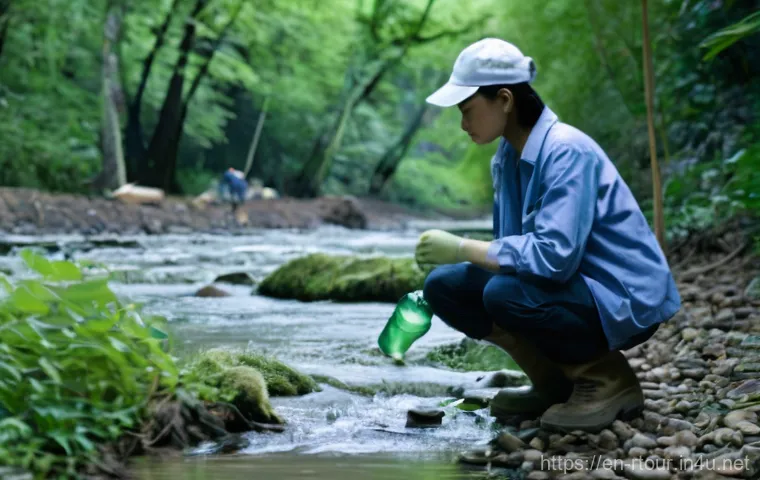
It’s easy to get swept up in the grand vision of a new rural tourism project, isn’t it? We see stunning landscapes, imagine charming guesthouses, and picture happy tourists.
But here’s the tough truth I’ve observed time and again: if you don’t genuinely engage with the local community from day one, your beautiful dream can quickly become a nightmare.
I’ve personally witnessed projects, filled with the best intentions, fall apart because they simply didn’t bother to understand what the people who live there actually wanted or needed.
It’s not just about getting their approval; it’s about making them active partners, listening to their concerns, and integrating their knowledge. They are the guardians of the culture, the storytellers, and often the most valuable resource you have.
Without their buy-in, your project might be seen as an imposition, an outsider’s idea rather than a shared community endeavor. This often leads to resentment, lack of participation, and ultimately, a hollow experience for visitors who are often seeking authentic local connections.
A truly successful rural tourism initiative thrives when it’s deeply rooted in the community it serves, reflecting their values and offering tangible benefits back to them, rather than just extracting from them.
Failing to Foster Genuine Local Buy-in
I remember working on a beautiful lakeside project once, where the developers were so focused on the architectural design and marketing strategy that they completely bypassed the local fishing community.
They assumed everyone would be thrilled with new jobs and tourist dollars. What they missed was the community’s deep-seated connection to the lake, their traditional fishing routes, and their quiet way of life.
When the community felt unheard and displaced, they became incredibly resistant, leading to protests and significant delays. It taught me a powerful lesson: skipping the early, uncomfortable conversations about shared values, potential impacts, and mutual benefits is a recipe for disaster.
It’s not just about a few town hall meetings; it’s about building relationships, trust, and ensuring local voices aren’t just heard, but actively integrated into the decision-making process.
This means involving them in planning, design, and even in the ownership and management structures.
Overlooking the Authentic Cultural Narrative
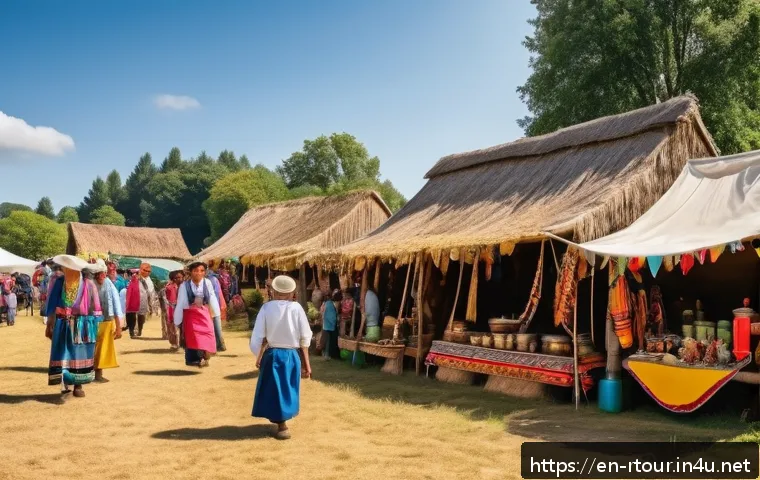
One of the biggest draws for rural tourism is authenticity – the chance to experience a way of life distinct from urban hustle. Yet, I’ve seen projects inadvertently sanitize or commercialize local culture to appeal to a broad tourist base, inadvertently stripping away the very essence that makes a place special.
Think about it: visitors aren’t looking for a theme park version of rural life; they want genuine interactions, traditional crafts, local cuisine, and stories passed down through generations.
My advice? Work with local historians, artisans, and elders to truly understand and present the unique cultural narrative of the area. Don’t invent experiences; amplify what already exists.
If your project doesn’t honor and preserve the local heritage, it not only risks alienating the community but also disappoints visitors who are seeking something real and meaningful.
When Green Dreams Go Grey: Overlooking Environmental Impact
It’s genuinely heartwarming to see the enthusiasm for sustainable tourism, isn’t it? Everyone wants to protect our planet. But, and this is a big “but,” I’ve personally watched projects with the best intentions for eco-friendliness stumble because they didn’t deeply analyze their environmental footprint from the very start.
It’s not enough to simply *say* you’re sustainable; you have to *be* sustainable in every single decision, from the materials you build with to the waste you generate and the water you consume.
I’ve seen beautiful natural areas quickly degrade under the pressure of increased visitor numbers when proper waste management, water conservation, and ecosystem protection weren’t meticulously planned.
What seems like a small oversight in the planning phase – maybe not assessing the local water table, or overlooking the impact of new road construction on wildlife corridors – can snowball into colossal environmental damage that permanently alters the very appeal of the rural destination.
Trust me, once an ecosystem is damaged, it’s incredibly difficult, if not impossible, to restore it, and the reputation of the destination suffers immensely.
Underestimating Resource Strain
When you bring more people into a rural area, you inevitably place a greater demand on local resources. This is something I’ve seen trip up even experienced developers.
Think about it: water, electricity, waste disposal – these aren’t limitless, especially in remote locations. I worked on a glamping site project once that was beautifully designed, but they failed to adequately assess the seasonal availability of water in the region.
During peak summer, the local wells, which also served the existing residents, were severely strained, leading to animosity and operational headaches.
It became clear that their initial environmental assessment had been too superficial. Before you even break ground, you *must* conduct thorough studies on how your project will impact local water sources, energy grids, and waste processing capabilities.
Sustainable planning means ensuring your infrastructure can handle the increased load without depleting precious natural resources or burdening existing communities.
Neglecting Ecosystem Preservation
Rural landscapes are often home to delicate ecosystems, unique flora, and diverse wildlife. In my experience, it’s all too easy for development to inadvertently disrupt these natural balances.
I’ve seen new hiking trails accidentally fragment critical wildlife habitats, and new construction introduce invasive species or pollutants into pristine areas.
The key, I’ve learned, is to treat the natural environment not just as a backdrop, but as a living, breathing component of your project that needs active protection.
This involves detailed biodiversity assessments, planning construction to minimize disturbance, implementing strict waste and wastewater management, and even designing visitor activities that are low-impact and educational.
Engaging local ecologists or conservation groups can provide invaluable insights and help safeguard the very natural beauty that attracts visitors in the first place.
Building Castles on Sand: The Foundation of Infrastructure
It’s exhilarating to dream up fantastic rural experiences – charming B&Bs, adventurous hiking trails, unique farm-to-table dining. But if the basic infrastructure isn’t rock-solid, those dreams can crumble faster than you can say “vacation.” I’ve seen this happen countless times.
Imagine a guest arriving at your beautifully marketed retreat, only to find the internet connection is non-existent, the roads are impassable after a light rain, or the power goes out frequently.
These aren’t minor inconveniences; they’re deal-breakers that can quickly tank your reputation and lead to scathing reviews. From reliable utilities to accessible transportation, the practicalities are often overlooked in the excitement of the big picture.
I can tell you from personal experience that a fantastic experience relies just as much on a hot shower and a safe journey as it does on a stunning view.
Without a robust foundation, your carefully crafted rural idyll will simply not deliver on its promise, no matter how charming it looks on Instagram.
Underestimating Connectivity and Utilities
In our increasingly connected world, even a remote escape needs some level of reliable connectivity, and certainly dependable utilities. I once advised a stunning remote lodge that struggled with bookings because their Wi-Fi was notoriously unreliable, and guests couldn’t even make phone calls.
They had the views, the food, the activities – everything but the ability to stay in touch or work remotely, which is a big deal for many travelers today.
It’s crucial to assess early on what kind of internet access is feasible, whether cellular service is available, and how reliable the local power grid is.
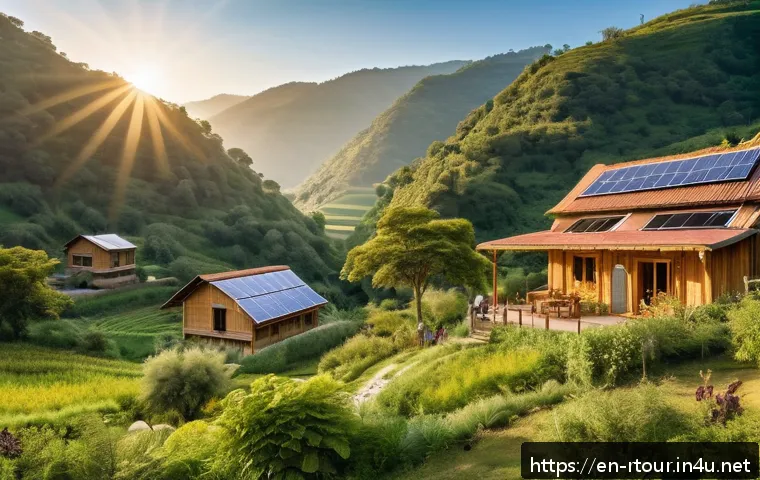
Don’t assume “rural” means guests will happily disconnect from *everything*. It means planning for robust energy solutions, whether that’s upgraded grid access, solar power, or generators, and ensuring reliable water and waste systems are in place.
Ignoring Accessibility and Transportation
Accessibility is a bigger concern than many planners realize, and it’s not just about ramps for wheelchairs, though that’s vital too. It’s about how visitors actually *get* to your rural destination and move around once they’re there.
I’ve seen projects beautifully developed in locations that were practically unreachable without a four-wheel drive, or where public transport was non-existent.
This immediately limits your market. Consider the state of local roads, signage, and whether shuttle services are needed from nearest airports or train stations.
Moreover, how will guests get to local attractions or restaurants? Rural tourism often involves exploring, and if that exploration is hampered by poor infrastructure or lack of safe pathways, the visitor experience suffers dramatically.
Think about safe pedestrian routes, cycling paths, or even partnerships with local taxi services.
One-Trick Pony Pitfalls: The Danger of Undiversified Offerings
When I first started in this field, I quickly learned that relying on just one or two attractions, no matter how spectacular, is a perilous path for rural tourism.
It’s like putting all your eggs in one basket – what happens if that one basket breaks, or if the weather turns bad, or if visitor preferences shift? I’ve seen breathtaking natural wonders lose their appeal during off-peak seasons or when a competing attraction emerges nearby.
A successful rural destination, in my experience, thrives on a rich tapestry of activities and experiences that cater to diverse interests and can adapt to different conditions.
Visitors want more than just a pretty view; they seek engagement, learning, and variety. If your offering is too narrow, you risk short visitor stays, limited repeat business, and a heavy reliance on a very specific niche that might not always be sustainable in the long run.
Failing to Create a Multi-Faceted Visitor Experience
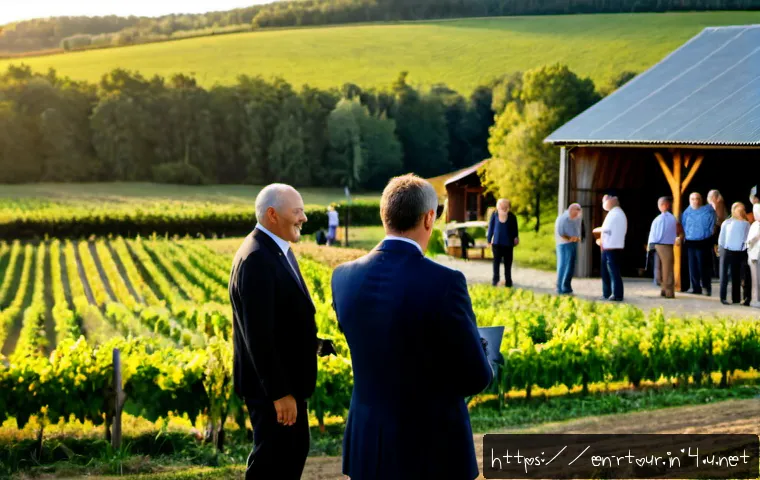
I recall a stunning vineyard estate that, while beautiful, only offered wine tastings. On rainy days or for non-drinkers, there was simply nothing else to do.
They eventually realized their mistake and began adding culinary classes, guided vineyard tours, local craft markets, and even a small hiking trail, transforming it into a destination with broad appeal.
The lesson here is clear: successful rural tourism goes beyond a single focal point. Think about integrating cultural workshops, historical tours, outdoor adventures (like hiking, cycling, or kayaking), farm visits, and culinary experiences.
The more diverse and interconnected your offerings, the longer visitors stay, the more they spend, and the more likely they are to recommend your destination to others.
It’s about building an ecosystem of experiences that provides depth and variety.
Ignoring Seasonal and Weather Dependencies
This is a big one that I’ve seen catch many promising ventures off guard. A beautiful lakeside destination might be bustling in summer but becomes a ghost town in winter if there’s no snow-based activity or indoor alternatives.
Similarly, a hiking haven can be completely shut down by heavy rains. When I advise clients, I always emphasize planning for all seasons and various weather conditions.
Can your outdoor activities be adapted or replaced with indoor ones? Are there unique seasonal events or offerings that can draw visitors during quieter times?
Consider cozy cafes, workshops, local festivals, or even specialized winter sports. Diversifying your offerings means thinking beyond the ideal sunny day and ensuring there’s always a compelling reason for people to visit, no matter what the calendar or forecast brings.
The Echo Chamber Effect: Misjudging Your Market
It’s incredibly exciting to pour your heart and soul into creating a rural tourism experience, isn’t it? We envision our ideal visitor and craft everything for them.
But sometimes, in our enthusiasm, we fall into what I call the “echo chamber effect”—we build something we *think* people want, without truly listening to who our potential visitors actually *are* and what they *really* seek.
I’ve seen countless projects beautifully designed for a demographic that simply doesn’t exist in large enough numbers or doesn’t have the budget to visit.
This leads to low occupancy, wasted marketing efforts, and a disheartening sense of failure. It’s not about compromising your vision entirely, but about grounding it in realistic, data-driven insights about market demand, visitor profiles, and competitive landscapes.
Without this understanding, you’re essentially shouting into the void, hoping someone hears you.
Failing to Understand Your Target Audience
Who are you actually trying to attract? This seems like a basic question, but it’s often glossed over. I once advised a charming, rustic cabin retreat that was targeting young, budget-conscious backpackers, yet their pricing was more aligned with luxury travelers.
Unsurprisingly, they struggled. It’s crucial to delve deep into understanding your potential guests: their demographics, their interests, their travel motivations, and critically, their spending habits.
Are they families with young children, adventurous solo travelers, couples seeking romance, or retirees looking for peace and quiet? Each group has different needs, expectations, and budgets.
Tailoring your offerings, amenities, and marketing messages to a clearly defined target audience is paramount for attracting visitors who will genuinely appreciate and pay for what you offer.
Don’t build it and hope they come; build it *for* them so they know exactly where to find their perfect escape.
Neglecting Competitive Analysis and Market Trends
The rural tourism landscape is constantly evolving, with new trends emerging and competition increasing. I’ve seen too many businesses focus solely on their own unique selling points without glancing at what their neighbors are doing or what the broader market is demanding.
Are other destinations offering similar experiences? What makes your offering truly stand out? I remember a particularly quaint bed-and-breakfast struggling because they hadn’t updated their amenities in decades, while newer places nearby were offering modern comforts and unique experiences that catered to current travel trends like wellness retreats or digital nomad-friendly spaces.
Regularly researching your competitors, staying abreast of global travel trends (like slow travel, experiential tourism, or regenerative tourism), and identifying market gaps can help you position your rural offering for long-term success.
It’s not just about being unique; it’s about being uniquely *relevant*.
The Silent Killer: Underfunded Visions and Unrealistic Budgets
Oh, if I had a dollar for every time I’ve seen a brilliant rural tourism concept crumble due to financial missteps, I’d be retired on a beach somewhere!
It’s truly heartbreaking. The initial excitement often leads to overly optimistic revenue projections and an underestimation of costs, and before you know it, a project is limping along, cutting corners, or worse, shutting down altogether.
I’ve personally advised passionate entrepreneurs who poured their life savings into a dream, only to realize halfway through that the capital required for permits, unforeseen construction delays, marketing, and ongoing operations was far greater than they’d budgeted.
It’s the silent killer of many rural ventures. Sustainable success isn’t just about good ideas; it’s about meticulous financial planning, securing adequate funding, and having a realistic understanding of both startup and operational expenses.
Trust me, it’s always better to over-budget than to find yourself scrambling for funds when you’re already in deep.
Overly Optimistic Revenue Projections
It’s tempting to draw up business plans with rosy figures, isn’t it? “We’ll be 80% occupied year-round!” “Our prices will be premium!” I’ve been there, and I’ve learned that optimism, while great for morale, can be a dangerous foundation for a financial plan.
I remember a lovely farm stay that projected bookings based on peak season demand, completely overlooking the significant slump in the shoulder seasons.
Their cash flow dried up, and they were constantly playing catch-up. Realistic revenue projections *must* factor in seasonality, market penetration rates, and a conservative estimate of average daily rates.
It’s far better to forecast cautiously and be pleasantly surprised by exceeding expectations than to aim too high and face constant disappointment and financial stress.
Always run a worst-case scenario alongside your best and most likely ones.
Underestimating Operational and Contingency Costs
Many initial budgets focus heavily on upfront capital expenses like land acquisition and construction, but they often severely underestimate the ongoing operational costs and the inevitable unexpected expenses.
From utilities and staffing to marketing, maintenance, insurance, and unforeseen repairs, these day-to-day costs add up quickly. I’ve seen projects with beautiful new buildings struggle to keep them maintained because they didn’t budget for ongoing wear and tear.
Furthermore, a contingency fund is absolutely non-negotiable. Whether it’s a sudden equipment breakdown, an unexpected regulatory change, or a dip in tourism due to unforeseen circumstances (like, say, a global event!), having a buffer is critical.
My rule of thumb is to always add a minimum of 15-20% contingency to your total budget. It’s not about being pessimistic; it’s about being prepared and resilient.
| Pitfall | Description | Impact on Project | Key Solutions |
|---|---|---|---|
| Lack of Community Engagement | Developing a project without genuine local involvement or understanding local needs/concerns. | Community resistance, lack of authenticity, project delays, reputational damage. | Early, consistent, and inclusive community consultation; benefit-sharing models; co-creation. |
| Environmental Neglect | Failing to conduct thorough environmental impact assessments or implement sustainable practices. | Resource depletion, ecosystem damage, negative public perception, regulatory issues. | Comprehensive environmental studies, sustainable design, waste management, conservation plans. |
| Insufficient Infrastructure | Underestimating the need for robust utilities, connectivity, and transportation access. | Poor visitor experience, negative reviews, operational challenges, limited market reach. | Detailed infrastructure planning, reliable utility solutions, accessibility improvements, transport partnerships. |
| Undiversified Offerings | Relying on too few attractions or experiences, leading to seasonality and limited appeal. | Short visitor stays, low repeat business, vulnerability to market shifts, reduced revenue. | Develop a range of activities (cultural, adventure, culinary); plan for all seasons; partner with local businesses. |
| Market Misjudgment | Failing to understand the target audience or neglecting competitive analysis and market trends. | Low occupancy, ineffective marketing, poor ROI, misaligned offerings. | Thorough market research, competitor analysis, clear target audience definition, flexible strategy. |
| Poor Financial Planning | Overly optimistic revenue forecasts and underestimating operational or contingency costs. | Cash flow problems, debt, project abandonment, inability to maintain facilities. | Realistic budgeting, conservative projections, contingency funds (15-20%), diverse funding sources. |
Lost in the Woods: Neglecting Your Story and Reach
You can build the most incredible rural retreat or craft the most authentic local experience, but if no one knows about it, or if your story isn’t compellingly told, you might as well be lost in the woods.
This is a pitfall I see far too often. People spend so much energy on development and operations that they treat marketing as an afterthought, a simple task to tick off.
But effective marketing and branding, especially in rural tourism, isn’t just about putting up a few ads; it’s about crafting a narrative that resonates, showcasing your unique charm, and strategically reaching the right audience.
Without a clear brand identity and a robust plan to share your story, even the most beautiful projects risk remaining hidden gems that never quite get discovered.
In today’s noisy digital world, standing out requires intention, consistency, and a deep understanding of how to connect with your potential visitors emotionally.
Failing to Craft a Compelling Brand Story
Every rural destination has a unique story to tell – of its people, its history, its landscape, its traditions. Yet, I’ve observed many tourism initiatives simply list their amenities without weaving them into a captivating narrative.
Think about it: visitors are looking for experiences that connect with them on a deeper level. They want to know the local legend, the farmer’s passion, the artisan’s craft.
I once helped a struggling heritage farm stay rebrand by focusing less on “rooms for rent” and more on “a step back in time, where stories come alive.” This shift in storytelling made all the difference, attracting visitors eager for that authentic narrative.
Your brand isn’t just a logo; it’s the sum total of your identity, your values, and the emotional connection you forge with your guests. Invest time in defining what makes your place truly special and then articulate that story consistently across all your platforms.
Ineffective Digital Marketing and Outreach
In this day and age, a beautiful location alone isn’t enough; you need a strong online presence. I’ve seen incredible rural destinations with stunning visuals fail to attract visitors because their website was outdated, their social media was non-existent, or they weren’t optimized for search engines.
Many small operators assume that word-of-mouth is enough, but in a competitive global market, digital visibility is crucial. This means having a user-friendly, mobile-responsive website, engaging on platforms where your target audience spends their time (Instagram, Pinterest, Facebook for visual experiences; travel blogs and niche forums for specific interests), and understanding the basics of SEO.
I remember helping a quaint village promote its annual festival by simply optimizing their existing webpage with local keywords and engaging local influencers.
The increase in visitors was astounding. It’s about being discoverable and making it easy for people to find, book, and share their experiences with you.
Going Solo: The Cost of Ignoring Collaboration
There’s a natural tendency, especially among passionate entrepreneurs, to want to control every aspect of their rural tourism project. We envision our own unique offering and want to execute it flawlessly.
But, and this is a crucial insight I’ve gained over years in the field, trying to do *everything* yourself in a rural setting is almost always a recipe for exhaustion and limited impact.
Rural tourism thrives on synergy. I’ve seen individual businesses struggle immensely when they could have flourished by simply collaborating with their neighbors.
Think about it: a single guesthouse, a single farm, or a single craft shop offers a limited experience. But when they work together, cross-promoting, sharing resources, and creating combined packages, they transform into a vibrant, multi-faceted destination.
The cost of going solo isn’t just financial; it’s also a missed opportunity for shared knowledge, enhanced visitor experiences, and a stronger, more resilient local tourism ecosystem.
Failing to Build Local Partnerships
I remember a small, family-run distillery that was struggling to attract visitors on its own. They had a great product, but not enough to fill a day. When they started partnering with a local vineyard for joint tasting tours and a nearby artisanal cheese maker for food pairings, their visitor numbers absolutely soared.
Suddenly, they were part of a full-day experience, offering visitors a deeper dive into the region’s culinary delights. These kinds of partnerships are invaluable.
They extend visitor itineraries, offer diverse activities, and create a stronger sense of place. Think about collaborating with local restaurants, other accommodations, activity providers, transportation services, and even community events.
These connections can lead to cross-promotion, shared marketing costs, and a more compelling overall offering that benefits everyone involved and creates a richer experience for the visitor.
Neglecting Regional and Government Support
It’s easy to feel like you’re on your own when you’re building something in a rural area, but there are often regional tourism boards, government grants, and community development programs designed specifically to support ventures like yours.
I’ve often seen projects miss out on critical funding or invaluable expert advice simply because they weren’t aware of these resources or didn’t know how to access them.
These organizations can offer not just financial assistance but also marketing support, training, and strategic planning guidance. They often have a bird’s-eye view of regional tourism strategies and can help you align your project for broader impact and visibility.
Actively seeking out and engaging with these bodies can provide a vital lifeline, connecting you to networks, funding opportunities, and expertise that can significantly boost your project’s chances of long-term success.
Wrapping Things Up
Whew! We’ve covered a lot of ground today, haven’t we? It’s truly amazing how a rural tourism dream, brimming with passion and potential, can sometimes hit unexpected roadblocks if we overlook the fundamentals. What I’ve seen time and again is that the most beautiful visions need a robust, well-thought-out foundation to truly flourish. It’s not about stifling creativity, but about grounding it in reality – in genuine community connection, environmental stewardship, solid infrastructure, diverse offerings, keen market insight, and, of course, a healthy dose of financial realism. Remember, your dream isn’t just about what you build; it’s about the sustainable, enriching experiences you create, both for your visitors and the communities you become a part of. Keep dreaming big, but plan smarter, and your rural haven will thrive.
Useful Info You Don’t Want to Miss
1. Always start with your local community. Engaging residents from the very beginning ensures your project is embraced, authentic, and truly reflects the spirit of the place, turning potential critics into invaluable partners.
2. Treat environmental impact as a non-negotiable. Thorough assessments and sustainable practices are crucial, not just for the planet, but for preserving the very natural beauty that draws visitors in the first place. This means responsible resource use and ecosystem protection.
3. Don’t skimp on infrastructure. Reliable utilities, robust connectivity, and accessible transportation aren’t luxuries; they’re the bedrock of a positive visitor experience and can make or break your reputation in today’s connected world.
4. Diversify your offerings beyond a single attraction. Planning for all seasons and various interests will extend visitor stays, attract a wider audience, and create a more resilient business model that isn’t vulnerable to fleeting trends or bad weather.
5. Get brutally honest with your budget. Overly optimistic projections and underestimating operational costs, especially without a solid contingency fund, can silently derail even the most promising ventures. Plan for the unexpected!
Key Takeaways for Success
Ultimately, making your rural tourism project a lasting success boils down to thoughtful, holistic planning and a deep commitment to the area and its people. It’s about building a harmonious ecosystem where your vision, the local community, and the natural environment all thrive together. By avoiding these common pitfalls and focusing on genuine engagement, robust planning, and a diverse, authentic offering, you’re not just creating a business; you’re cultivating a truly special destination that will captivate hearts and minds for years to come. Your passion is the spark, but smart, sustainable execution is the fuel that keeps the flame burning bright, ensuring a rewarding journey for everyone involved.
Frequently Asked Questions (FAQ) 📖
Q: What’s the biggest mistake people make when planning a rural tourism project, and how can they truly make a difference instead of just building another attraction?
A: You know, it’s fascinating because so many people come into rural tourism with such genuine passion and fantastic ideas, but I’ve personally seen one major pitfall that trips them up time and again: they overlook genuinely embedding themselves with the local community and prioritizing true, long-term sustainability right from the very start.
It’s not just about what you build or offer; it’s about how you become a part of the existing fabric of that place. Too often, I’ve witnessed initiatives that felt like they were parachuting in a pre-packaged idea, rather than growing organically from the local land and people.
This leads to projects that struggle with infrastructure, marketing, and even getting buy-in, because they simply haven’t connected with the heartbeat of the community.
Instead of just focusing on ‘attractions,’ think about creating ‘connections’ – connections with local traditions, the environment, and the residents themselves.
When you engage locals in the decision-making process, involve them in the economic benefits, and truly listen to their concerns about environmental impact, you’re not just building a business; you’re cultivating a shared dream that resonates deeply and lasts.
This isn’t just theory; it’s a lesson I’ve seen play out in real life, time and time again, determining the success or failure of otherwise brilliant concepts.
Q: How can I ensure my rural tourism initiative is genuinely sustainable and truly benefits the local community, not just my bottom line?
A: This is such a critical question, and honestly, it’s what separates the fleeting trends from the truly impactful, enduring projects. From my perspective, ensuring genuine sustainability and local benefit goes far beyond simply recycling or having a ‘green’ label.
It boils down to active, transparent participation and collaboration with everyone involved. I always advise my clients to focus on what I call the “Three E’s”: Engage, Empower, and Equitably Distribute.
First, Engage the community in every step – from initial planning to daily operations. I’m talking about real conversations, shared decision-making, and creating opportunities for locals to shape the experience.
For instance, encouraging local businesses to participate, or residents to guide tours and share their culture, makes a huge difference. Secondly, Empower them.
This means investing in local skills, providing fair wages, and creating pathways for local entrepreneurship within your venture. I’ve seen the incredible ripple effect when tourism revenue directly supports local schools, healthcare, or infrastructure, transforming a community from the inside out.
Lastly, Equitably Distribute the economic benefits. It’s crucial to ensure that the financial gains aren’t just concentrated in a few hands but spread throughout the community.
This builds collective ownership and fosters a sense of shared prosperity. On the environmental front, it’s about rigorous conservation and preservation, embracing the 3Rs (reduce, reuse, recycle), and ensuring your operations don’t just minimize harm but actively contribute to the regeneration of the natural landscape.
When you bake these principles into your project’s DNA, you’ll find that your bottom line naturally strengthens because you’ve built something truly valuable and resilient.
Q: I’m just starting out with an exciting idea for rural tourism. What’s the very first, non-negotiable step I should take to avoid those common pitfalls you mentioned?
A: If I could give just one piece of advice to anyone brimming with excitement about a rural tourism idea – and trust me, I’ve learned this the hard way through years of working in this space – it would be this: Don’t build anything, don’t spend a fortune, before you’ve done incredibly thorough, deeply localized research and built genuine relationships with the community.
It’s like laying the foundation for a dream house; you wouldn’t just start pouring concrete without understanding the soil, would you? Your first, non-negotiable step is a comprehensive feasibility study and community engagement process.
This means talking to everyone: local residents, elders, small business owners, farmers, even local government officials. Find out what they cherish about their area, what problems they face, what resources they have, and what kind of tourism they envision.
This isn’t just about market research; it’s about cultural immersion and building trust. Are there existing challenges like poor roads or limited internet that need to be addressed?
What makes this particular rural spot uniquely charming and appealing, and how can you highlight that authenticity without commercializing it into oblivion?
Understanding these nuances before you commit any significant resources is paramount. It allows you to tailor your offering to the area’s true DNA, get essential buy-in, and identify potential challenges or untapped opportunities you might have completely missed otherwise.
Starting small, and being flexible with your initial concepts based on local feedback, will save you so much heartache (and money!) down the line.