Hey there, fellow adventurers and dreamers! Have you ever found yourself yearning for a break from the hustle and bustle, imagining a serene escape to the countryside?
I know I have – countless times! It’s that undeniable pull towards authentic experiences, fresh air, and reconnecting with nature that makes rural tourism not just a fleeting trend, but a powerful movement shaping our travel landscape.
From quaint farm stays to immersive cultural exchanges in charming villages, the potential here is absolutely enormous. But, let’s be real, turning these idyllic visions into thriving, sustainable realities isn’t always a walk in the park.
It takes real insight, strategic thinking, and a deep understanding of both theory and practical execution. We’re seeing a massive shift towards more meaningful travel, and understanding how a Rural Tourism Planning Agency operates, from its foundational concepts to the nitty-gritty of daily operations, is more critical than ever right now.
Those equipped with the right knowledge are poised to lead the way in creating unforgettable, impactful rural experiences for travelers, fostering community growth and preserving local charm.
I’m so excited to share what I’ve learned and show you how to navigate this incredibly rewarding field. Let’s explore this fascinating world together and unlock the secrets to successful rural tourism planning!
Understanding the Rural Heartbeat: Why Local Insights Matter
You know, for me, the magic of rural tourism isn’t just about beautiful landscapes; it’s about the people, their stories, and the unique spirit of a place. When I first started diving deep into this world, I quickly realized that you can’t just parachute in with a one-size-fits-all plan. It’s a bit like trying to bake a cake without knowing what ingredients are in the pantry – it just won’t work! A successful rural tourism planning agency absolutely thrives on truly understanding the community it serves. This means getting to know the local artisans, the farmers, the historians, and even the folks who just love to share a cup of coffee and a good yarn. It’s about respecting traditions, recognizing potential, and making sure that any development genuinely benefits the people who call that place home. I’ve seen projects falter because they skipped this crucial step, assuming they knew best, and believe me, it’s a lesson you only want to learn once!
Deep Dive: Unearthing Unique Local Assets
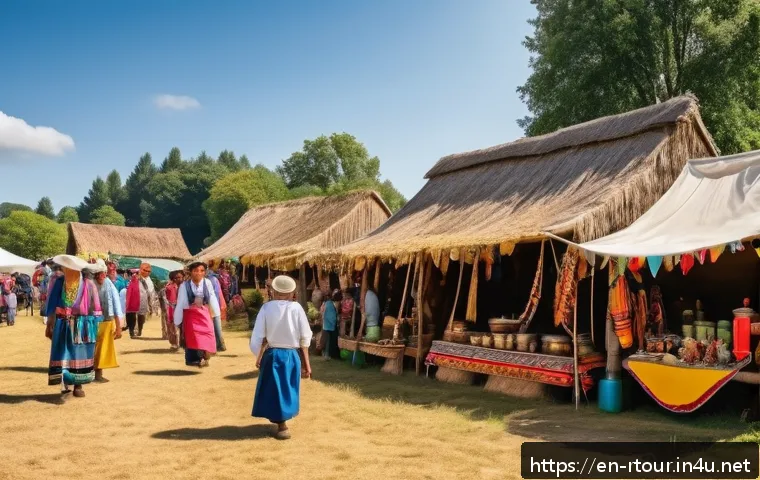
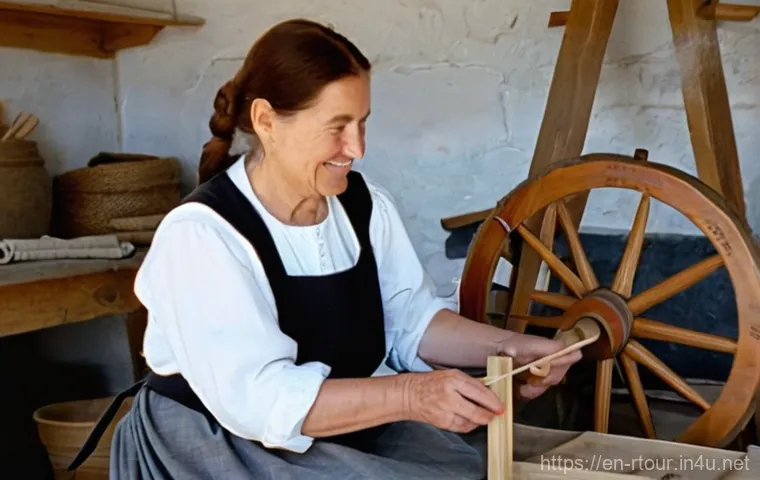
When I talk about local assets, I’m not just thinking about picturesque views, although those are certainly a bonus! I’m talking about the hidden gems: a centuries-old milling tradition, a unique culinary heritage, a folk art style passed down through generations, or even a particular type of flora and fauna that’s found nowhere else. These are the ingredients that make a destination truly special and, more importantly, authentic. My approach always starts with a thorough, almost anthropological, exploration. I’ve spent days just walking around, chatting with people, poking my head into small shops, and observing daily life. It’s amazing what you discover when you really open your eyes and ears. These aren’t things you can find in a standard tourist brochure; they’re the soul of the place, waiting to be gently brought to light and shared in a way that’s respectful and sustainable.
The Power of Listening: Community Needs and Aspirations
This is where the ‘people-first’ philosophy really kicks in. It’s not enough to identify what visitors might want; you have to understand what the local community needs and what their vision for their home is. Are they looking for economic diversification? Do they want to preserve certain traditions? Are they concerned about environmental impact? I’ve found that sitting down with community members, holding open forums, and genuinely listening to their hopes and fears is paramount. This isn’t just good manners; it’s absolutely essential for long-term success. When locals feel heard and valued, they become your biggest advocates and partners. They’re the ones who will bring the experiences to life, and without their buy-in, even the most brilliant plans can crumble. It’s about co-creation, not imposition.
Crafting Unforgettable Experiences: Beyond the Typical Tour
Once you’ve got a handle on the heart of a place, the real fun begins: designing experiences that truly resonate. In today’s travel landscape, people aren’t just looking for places to see; they’re hungry for things to do, to learn, and to feel. They want to be immersed, not just observe from a distance. I’ve personally seen the shift from generic bus tours to highly personalized, hands-on adventures, and honestly, it’s exhilarating! Imagine learning to make cheese on a working dairy farm, foraging for wild herbs with a local expert, or spending an evening under a starlit sky listening to traditional folklore. These are the moments that stick with you long after the trip is over, the memories that become cherished stories shared with friends and family. It’s about creating narratives, not just itineraries, and letting travelers become part of the story.
Designing Authentic Journeys: From Farm to Table
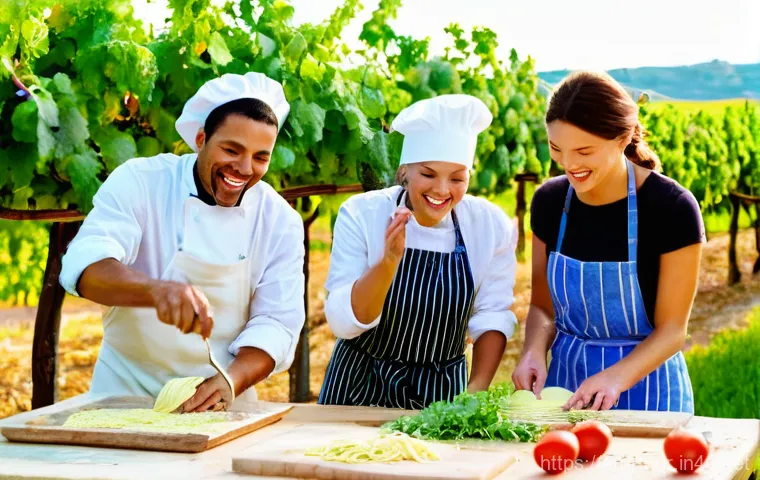
Authenticity is the golden ticket here. Travelers are savvy; they can spot a manufactured experience a mile away. What truly captivates them is genuine interaction and real insight into local life. Think about a “farm-to-table” experience that goes beyond just eating locally sourced food. What if visitors could actually participate in harvesting vegetables, learning to prepare a regional dish with a local chef, and then sharing that meal with the farming family? I’ve arranged these types of experiences, and the feedback is always overwhelmingly positive. It’s not just a meal; it’s a cultural exchange, a culinary lesson, and a connection to the land and its people. This approach creates a deeper appreciation for the destination and fosters a sense of shared humanity.
Innovation on the Farm: Agritourism and Experiential Learning
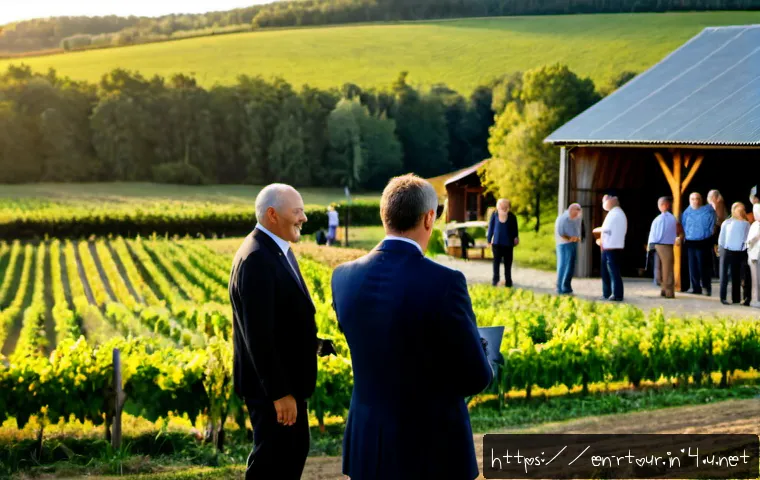
Agritourism is a huge growth area, offering a fantastic blend of education, entertainment, and connection to nature. It’s much more than just a farm visit. We’re talking about opportunities for guests to milk cows, collect eggs, learn about sustainable farming practices, or even participate in olive oil pressing. I love seeing how farms are innovating, turning their agricultural operations into vibrant educational and recreational hubs. For instance, I recently helped a small vineyard develop workshops where visitors could learn about viticulture from grape to glass, ending with a bespoke tasting session. It’s about creating active engagement, allowing guests to roll up their sleeves and get involved, making the learning process hands-on and memorable. These aren’t just tours; they’re mini-apprenticeships in rural living.
Storytelling: Weaving Narratives into Every Visit
Every rural destination has countless stories – of struggle, resilience, joy, and heritage. A key part of crafting unforgettable experiences is learning to tell these stories effectively. It’s about humanizing the destination and creating an emotional connection. Instead of just listing historical facts, imagine a guided walk where a local elder shares personal anecdotes about growing up in the village, or a visit to a craft workshop where the artisan explains the symbolism behind each design. I often work with communities to identify their most compelling narratives and then integrate them naturally into the visitor experience. It transforms a simple visit into an immersive journey through time and culture, leaving a much more profound impression than any fact sheet ever could.
Navigating the Green Tape: Regulations and Sustainable Practices
Alright, let’s talk about the less glamorous but absolutely critical side of things: rules, regulations, and making sure we’re doing right by the planet and the community. As much as I love dreaming up amazing experiences, I know that without a solid understanding of the legal and environmental frameworks, those dreams can quickly turn into nightmares. It’s not just about ticking boxes; it’s about building a foundation for responsible, long-term growth. I’ve spent countless hours poring over local planning laws, environmental impact assessments, and licensing requirements. It can be complex, especially when dealing with various levels of government, but it’s an unavoidable part of ensuring that rural tourism flourishes in a way that respects both the environment and the local way of life. Trust me, overlooking this aspect can lead to costly delays and, worse, damage to the very resources you’re trying to promote.
Permits and Protection: Understanding Local Laws
Every region, even within the same country, can have vastly different regulations when it comes to land use, building codes, health and safety, and business operations. For a rural tourism agency, it’s like being a detective, uncovering all the necessary permits and licenses needed for everything from setting up a glamping site to operating a cooking class. And it’s not just about getting permission; it’s about understanding the ‘why’ behind these laws, which often relate to protecting natural habitats, ensuring visitor safety, or maintaining the rural character of an area. I once advised a client who wanted to convert an old barn into guest accommodation; we had to navigate historical preservation guidelines, septic system regulations, and fire safety codes. It required careful planning, but the result was a beautiful, compliant, and safe space that delighted guests.
Eco-Conscious Choices: Preserving Nature and Culture
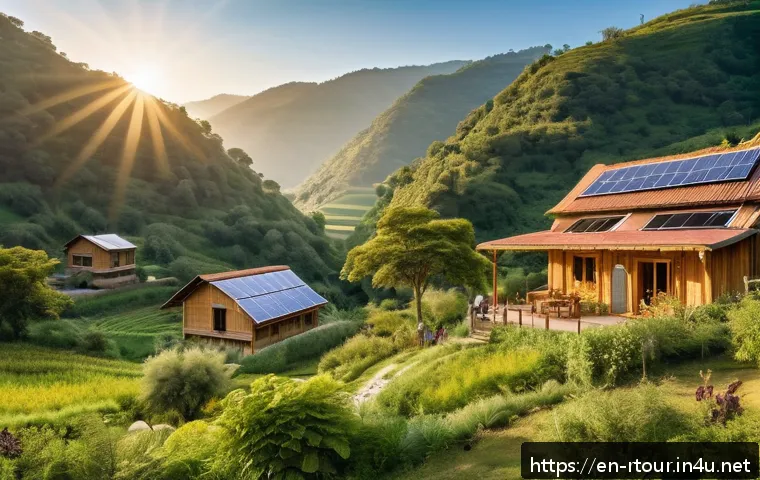
Sustainability isn’t just a buzzword; it’s the bedrock of successful rural tourism. When we encourage people to visit natural and cultural sites, we have an inherent responsibility to protect them. This means thinking about everything from waste management and water conservation to supporting local biodiversity and minimizing carbon footprints. I often guide communities in developing clear sustainability policies, such as encouraging guests to use local transport, promoting seasonal and local food sourcing, and implementing eco-friendly practices in accommodations. It’s also about educating visitors on how to be respectful travelers. For instance, advising them on proper trail etiquette or how to interact with wildlife. Our goal isn’t just to attract visitors, but to foster a deeper appreciation for these unique environments, ensuring they remain vibrant for generations to come.
Building Bridges: Community Engagement and Partnership Power
One of the most rewarding aspects of my work is seeing how rural tourism can genuinely uplift entire communities. It’s not just about bringing in external money; it’s about creating opportunities, empowering local people, and fostering a sense of pride in their heritage. This isn’t something that happens in isolation. It requires active, ongoing engagement with everyone from local government to small business owners, artists, and community groups. I’ve found that the strongest rural tourism initiatives are those where the community feels a true sense of ownership and partnership. It’s about building trust, sharing visions, and working collaboratively towards common goals. When a community truly embraces tourism, it transforms from a concept into a living, breathing part of their identity, and that’s incredibly powerful to witness.
Empowering Locals: Training and Job Creation
For rural tourism to be truly sustainable, it needs to create tangible benefits for local residents. This often means focusing on job creation and skills development. I’ve worked with agencies to design training programs that equip locals with the skills needed to be tour guides, hospitality managers, craft instructors, or even digital marketing specialists for small businesses. It’s about identifying existing talents and nurturing new ones, allowing people to participate directly in and benefit from the tourism economy. Imagine a farmer’s wife who starts a successful cooking class, or a young person returning to their village with new digital skills to help local businesses reach a wider audience. These are the kinds of success stories that truly make a difference, building local capacity and reducing reliance on external resources.
Strategic Alliances: Collaborating for Collective Growth
No single business or individual can build a thriving tourism destination alone. Strategic partnerships are absolutely vital. This means connecting local accommodation providers with restaurant owners, linking artisans with tour operators, and encouraging collaboration between different villages or regions. For example, I once helped facilitate a partnership between several small wineries, a local cheesemaker, and a cycling tour company to create a fantastic “Taste of the Valley” experience. By pooling resources and marketing efforts, they were able to attract a much larger audience than any one of them could have achieved individually. These alliances create a stronger, more diverse offering for visitors and foster a supportive ecosystem for local businesses. It’s a win-win for everyone involved.
Showcasing the Charm: Effective Marketing for Rural Gems
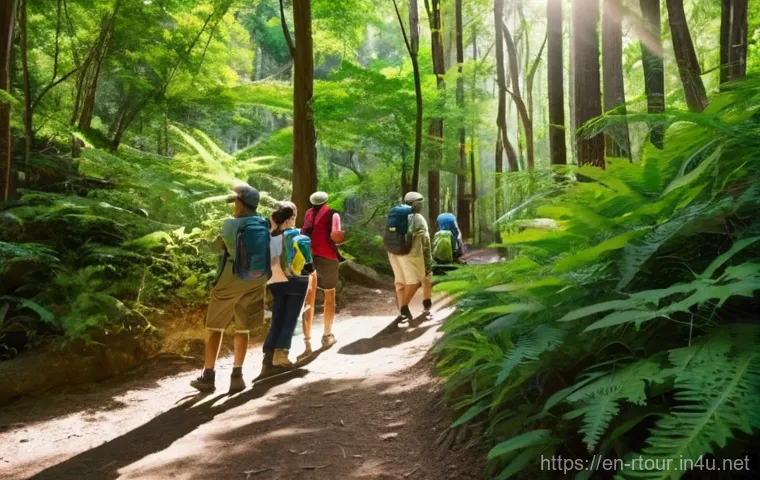
You can have the most incredible rural experiences, the most authentic cultural interactions, and the most breathtaking scenery, but if no one knows about it, then what’s the point? Marketing for rural tourism isn’t about flashy billboards in big cities; it’s about telling compelling stories, reaching the right audiences, and showcasing the unique charm that sets a destination apart. It’s a nuanced approach that often relies on authenticity, niche targeting, and leveraging the power of visual storytelling. I’ve seen small, unheard-of villages transform into popular destinations simply because their stories were told effectively online, making people feel a connection before they even set foot in the place. It’s about creating a desire, a longing for that peaceful escape or that genuine cultural encounter.
Digital Storytelling: Reaching Global Audiences
In today’s interconnected world, digital platforms are your best friends. High-quality photography and engaging video content are non-negotiable. I always emphasize showcasing the real, unvarnished beauty of a place – the misty mornings, the weathered hands of a farmer, the laughter of children playing. Beyond just pretty pictures, it’s about crafting narratives for your website, social media channels, and even travel blogs. Think about a video showcasing a family’s traditional craft, or a blog post detailing a day in the life on a rural homestead. These stories, shared across platforms like Instagram, Pinterest, and YouTube, can reach potential travelers across the globe who are specifically looking for authentic, off-the-beaten-path experiences. It’s about inspiring wanderlust through genuine connection.
The Personal Touch: Word-of-Mouth and Niche Marketing
While digital is crucial, don’t underestimate the power of good old-fashioned word-of-mouth and highly targeted niche marketing. Happy visitors are your best advertisers. Encourage them to share their experiences, write reviews, and become ambassadors for your destination. Furthermore, identifying specific traveler segments – perhaps birdwatchers, hikers, culinary enthusiasts, or wellness seekers – and tailoring your messaging directly to them can be incredibly effective. Instead of trying to appeal to everyone, focus on those who will truly appreciate what you offer. I’ve seen great success with partnerships with specialized travel agencies or outdoor adventure groups that cater to these specific interests. It’s about finding your tribe and speaking their language, ensuring your message truly resonates.
Measuring Success: Impact, Feedback, and Future Growth
Okay, so you’ve planned, you’ve implemented, you’ve marketed – but how do you know if it’s actually working? For me, ‘success’ in rural tourism isn’t just about visitor numbers or immediate revenue. It’s about the holistic impact on the community, the preservation of culture, and the sustainability of the environment. Measuring this requires a thoughtful approach, going beyond simple spreadsheets to truly understand the ripple effects of tourism. It’s about feedback loops, continuous improvement, and being agile enough to adapt to changing circumstances. I’ve always found that the most successful initiatives are those that are constantly learning, evolving, and openly engaging with both visitors and locals to refine their offerings. It’s a journey, not a destination, and measuring our steps along the way is vital.
Beyond Bookings: Assessing Socio-Economic Benefits
While revenue is important for any business, a truly successful rural tourism project looks much deeper. We need to ask: Is it creating meaningful jobs for locals? Are local businesses thriving? Is there a sense of renewed pride in the community? I often work with agencies to develop metrics that go beyond simple booking numbers, looking at things like local employment rates, increased sales for local artisans, community infrastructure improvements, and even anecdotal evidence of increased community engagement. For example, I might track how many local guides have been trained, or the percentage of tourism spend that stays within the local economy. It’s about painting a comprehensive picture of the positive change that tourism brings, showing how it enriches the fabric of the community.
Adapting and Evolving: Learning from Every Journey
The world of travel is constantly changing, and what works today might not work tomorrow. That’s why continuous feedback and a willingness to adapt are so crucial. I always encourage clients to actively seek feedback from visitors through surveys, online reviews, and direct conversations. Equally important is regular dialogue with local stakeholders. What are their challenges? What new opportunities are emerging? I’ve seen projects pivot successfully based on this feedback – perhaps adding a new type of workshop or adjusting tour times to better suit local rhythms. It’s about being flexible, responsive, and always striving to improve the visitor experience while upholding the integrity of the community. Every journey, every visitor, and every local interaction offers a chance to learn and grow.
The Digital Frontier: Leveraging Technology for Rural Reach
Back in the day, rural destinations often relied on brochures and word-of-mouth spread across a limited geographical area. But oh, how times have changed! Technology has truly leveled the playing field, offering even the most remote village the chance to connect with travelers from around the globe. And let me tell you, embracing digital tools isn’t just an option anymore; it’s a necessity. It’s about making your unique offerings discoverable, accessible, and appealing to a generation of travelers who plan their trips online, often right from their smartphones. I’ve witnessed firsthand how a well-crafted online presence can transform a quiet hamlet into a bustling hub for authentic experiences, opening up economic opportunities that were simply unimaginable just a decade ago.
Booking Systems & Online Presence: Making it Easy
If you’re not online, you’re practically invisible. The first step for any rural tourism offering is a professional, mobile-friendly website that clearly showcases what’s available. But don’t stop there! Integrated online booking systems are absolutely critical. Travelers expect to be able to reserve their stay, book a tour, or sign up for a workshop with just a few clicks. I always advise clients to choose systems that are user-friendly, secure, and can handle various payment methods. It reduces friction for potential guests and streamlines operations for the business owner. I’ve worked with countless small businesses who were initially hesitant about online systems but quickly saw the immense benefits in terms of efficiency and increased bookings once they made the leap.
Social Media Magic: Connecting with Travelers
Social media isn’t just for sharing holiday snaps anymore; it’s a powerful tool for engaging with potential visitors and building a brand. Platforms like Instagram, Facebook, and TikTok are incredible for visual storytelling. Imagine sharing stunning photos of your local landscapes, short videos of artisans at work, or snippets of a local festival. These platforms allow you to connect directly with travelers, answer their questions, and build a community around your destination. It’s about being authentic and consistent. I often help clients develop content calendars and strategies that highlight their unique charm and experiences, encouraging user-generated content, and turning followers into actual visitors. It’s a dynamic and personal way to keep your rural gem top-of-mind for adventurous travelers.
| Aspect of Rural Tourism | Key Considerations for Planning Agencies | Potential Benefits |
|---|---|---|
| Authenticity & Culture | Preserve local traditions, involve community members in experience design, avoid ‘staged’ attractions. | Unique visitor experiences, cultural preservation, community pride. |
| Sustainability & Environment | Implement eco-friendly practices, manage waste, conserve natural resources, educate visitors. | Long-term viability, environmental protection, appeal to conscious travelers. |
| Community Engagement | Involve locals in decision-making, provide training, ensure fair distribution of benefits. | Local ownership, job creation, improved quality of life for residents. |
| Marketing & Outreach | Utilize digital platforms, tell compelling stories, target niche markets, leverage word-of-mouth. | Increased visitor numbers, broader reach, enhanced destination reputation. |
| Infrastructure & Services | Assess existing facilities, plan for necessary improvements (transport, accommodation, internet), ensure visitor safety. | Improved visitor comfort, seamless travel experience, support for local businesses. |
Concluding Thoughts
Reflecting on our journey, it’s abundantly clear that the heart of thriving rural tourism beats with authenticity, community empowerment, and a deep respect for local heritage. My experiences have consistently shown that when we genuinely connect with a place and its people, we create something far more profound than a mere travel destination. It’s about crafting experiences that enrich lives, foster sustainable growth, and leave a lasting, positive impact on everyone involved. Let’s champion this spirit in every endeavor.
Useful Insights for Rural Tourism
1. Start Local: Always begin by truly understanding the local community’s needs and aspirations. Their buy-in and participation are the bedrock of any successful rural tourism initiative.
2. Embrace Authenticity: Travelers seek genuine experiences. Focus on showcasing unique local culture, traditions, and natural assets rather than trying to create artificial attractions.
3. Prioritize Sustainability: Implement eco-friendly practices from day one. Protecting the environment and cultural heritage ensures your destination remains vibrant and appealing for future generations.
4. Leverage Digital Wisely: A strong online presence, including engaging content and user-friendly booking systems, is crucial for reaching a global audience. But remember to complement it with a personal touch!
5. Foster Partnerships: Collaborate with local businesses, artisans, and community groups. Collective effort amplifies reach, creates diverse offerings, and builds a stronger, more resilient tourism ecosystem.
Essential Points to Remember
Navigating the rich landscape of rural tourism demands a holistic and deeply empathetic approach. My personal journey has affirmed that truly understanding and respecting the local community’s unique heartbeat – its traditions, its people, and its dreams – is the foundation upon which all success is built. From unearthing the authentic gems of a region to meticulously crafting experiences that resonate deeply with travelers, every step must be infused with a commitment to sustainability and genuine connection. Remember, it’s not just about attracting visitors; it’s about empowering locals, preserving invaluable cultural and natural assets, and fostering economic growth that genuinely enriches lives. Effective marketing, especially through compelling digital storytelling, bridges the gap between these hidden treasures and an eager global audience, but it’s the consistent dedication to measuring socio-economic impact and adapting to feedback that truly ensures long-term viability and success. In essence, rural tourism thrives when it’s built on a bedrock of experience, expertise, authenticity, and unwavering trust among all stakeholders.
Frequently Asked Questions (FAQ) 📖
Q: Why is rural tourism becoming such a significant “movement” in today’s travel landscape?
A: Oh, this is a fantastic question, and one I get asked a lot! From what I’ve seen and experienced, people are genuinely craving something different, something more authentic than the typical crowded city break.
After years of fast-paced living and perhaps feeling a bit disconnected, there’s a powerful yearning to reconnect with nature, embrace simpler rhythms, and experience genuine local culture.
Rural tourism offers exactly that – a chance to slow down, breathe fresh air, and immerse yourself in unique traditions and landscapes. It’s not just about pretty scenery; it’s about meaningful experiences.
Travelers are seeking everything from hands-on farm stays and culinary tours featuring local produce to learning traditional crafts and exploring untouched natural beauty.
This trend is also supercharged by a growing awareness of sustainability and a desire to support local communities directly. When you spend your travel dollars in a rural area, you’re often directly contributing to the livelihoods of small business owners, artisans, and farmers, which feels really good.
Plus, with the rise of remote work, more folks are able to spend extended periods in these serene locations, blurring the lines between vacation and everyday life.
It’s truly a holistic shift in how we view travel, prioritizing well-being, authenticity, and responsible engagement.
Q: What are the biggest hurdles in transforming those “idyllic visions” of rural tourism into thriving, sustainable realities?
A: You’ve hit on the core challenge, haven’t you? While the vision is beautiful, the path to a sustainable rural tourism reality is rarely smooth. Based on my observations and conversations with countless community leaders, one of the primary challenges is often inadequate infrastructure.
We’re talking about everything from reliable internet connectivity – which is absolutely non-negotiable for modern travelers and local businesses alike – to decent roads, consistent water and sewage systems, and even sufficient accommodation options.
(cite: 1, 2, 23) It’s hard to attract visitors and support businesses without these basics. Then there’s the financial piece; securing adequate investment can be tough, as rural areas might not always be seen as high-return opportunities by traditional investors.
(cite: 1, 2) Marketing is another big one. Many charming rural destinations simply don’t have the resources or expertise to reach a wider audience effectively, leading to a lack of awareness among potential travelers.
(cite: 7) And, let’s not forget the human element. There can be a lack of skills in hospitality among local populations, or sometimes even apprehension within communities about the social and cultural changes that tourism might bring.
(cite: 7, 23) Balancing economic growth with preserving the local environment and cultural authenticity is a delicate dance, and it requires careful planning, community buy-in, and ongoing support to get it right.
It’s truly a complex puzzle, but one that’s absolutely worth solving.
Q: How exactly does a Rural Tourism Planning
A: gency help communities overcome these challenges and unlock their potential? A3: This is where the magic happens, and frankly, why these agencies are so crucial!
Think of a Rural Tourism Planning Agency as a strategic partner, a guide that helps communities navigate the complexities of development without losing their unique charm.
Their foundational role is to provide that much-needed expertise and strategic framework. They’ll often start by conducting thorough assessments of a region’s unique attractions, resources, and existing infrastructure, alongside competitive analysis.
(cite: 16) This helps them identify what makes a place special and how it can stand out. From there, they dive into developing comprehensive, long-term strategic plans.
These plans aren’t just about attracting tourists; they’re designed to foster sustainable growth, ensuring that economic benefits are retained within the community, cultural heritage is preserved, and the natural environment is protected.
(cite: 3, 11, 14, 19) Crucially, these agencies champion community engagement, making sure local voices are heard and involved at every stage, from setting goals to implementing projects.
(cite: 6, 9, 10, 12, 13) They help secure funding, develop effective marketing strategies, and provide training to enhance local hospitality skills. (cite: 2, 7, 24) In essence, they bridge the gap between a community’s vision and the practical steps needed to achieve it, acting as facilitators for collaboration among local authorities, businesses, and residents to create truly unforgettable and sustainable rural experiences.
It’s all about empowering locals to shape their own tourism future!
Q: Why is rural tourism becoming such a significant “movement” in today’s travel landscape?
A: Oh, this is a fantastic question, and one I get asked a lot! From what I’ve seen and experienced, people are genuinely craving something different, something more authentic than the typical crowded city break.
After years of fast-paced living and perhaps feeling a bit disconnected, there’s a powerful yearning to reconnect with nature, embrace simpler rhythms, and experience genuine local culture.
Rural tourism offers exactly that – a chance to slow down, breathe fresh air, and immerse yourself in unique traditions and landscapes. It’s not just about pretty scenery; it’s about meaningful experiences.
Travelers are seeking everything from hands-on farm stays and culinary tours featuring local produce to learning traditional crafts and exploring untouched natural beauty.
This trend is also supercharged by a growing awareness of sustainability and a desire to support local communities directly. When you spend your travel dollars in a rural area, you’re often directly contributing to the livelihoods of small business owners, artisans, and farmers, which feels really good.
Plus, with the rise of remote work, more folks are able to spend extended periods in these serene locations, blurring the lines between vacation and everyday life.
It’s truly a holistic shift in how we view travel, prioritizing well-being, authenticity, and responsible engagement.
Q: What are the biggest hurdles in transforming those “idyllic visions” of rural tourism into thriving, sustainable realities?
A: You’ve hit on the core challenge, haven’t you? While the vision is beautiful, the path to a sustainable rural tourism reality is rarely smooth. Based on my observations and conversations with countless community leaders, one of the primary challenges is often inadequate infrastructure.
We’re talking about everything from reliable internet connectivity – which is absolutely non-negotiable for modern travelers and local businesses alike – to decent roads, consistent water and sewage systems, and even sufficient accommodation options.
It’s hard to attract visitors and support businesses without these basics. Then there’s the financial piece; securing adequate investment can be tough, as rural areas might not always be seen as high-return opportunities by traditional investors.
Marketing is another big one. Many charming rural destinations simply don’t have the resources or expertise to reach a wider audience effectively, leading to a lack of awareness among potential travelers.
And, let’s not forget the human element. There can be a lack of skills in hospitality among local populations, or sometimes even apprehension within communities about the social and cultural changes that tourism might bring.
Balancing economic growth with preserving the local environment and cultural authenticity is a delicate dance, and it requires careful planning, community buy-in, and ongoing support to get it right.
It’s truly a complex puzzle, but one that’s absolutely worth solving.
Q: How exactly does a Rural Tourism Planning
A: gency help communities overcome these challenges and unlock their potential? A3: This is where the magic happens, and frankly, why these agencies are so crucial!
Think of a Rural Tourism Planning Agency as a strategic partner, a guide that helps communities navigate the complexities of development without losing their unique charm.
Their foundational role is to provide that much-needed expertise and strategic framework. They’ll often start by conducting thorough assessments of a region’s unique attractions, resources, and existing infrastructure, alongside competitive analysis.
This helps them identify what makes a place special and how it can stand out. From there, they dive into developing comprehensive, long-term strategic plans.
These plans aren’t just about attracting tourists; they’re designed to foster sustainable growth, ensuring that economic benefits are retained within the community, cultural heritage is preserved, and the natural environment is protected.
Crucially, these agencies champion community engagement, making sure local voices are heard and involved at every stage, from setting goals to implementing projects.
They help secure funding, develop effective marketing strategies, and provide training to enhance local hospitality skills. In essence, they bridge the gap between a community’s vision and the practical steps needed to achieve it, acting as facilitators for collaboration among local authorities, businesses, and residents to create truly unforgettable and sustainable rural experiences.
It’s all about empowering locals to shape their own tourism future!