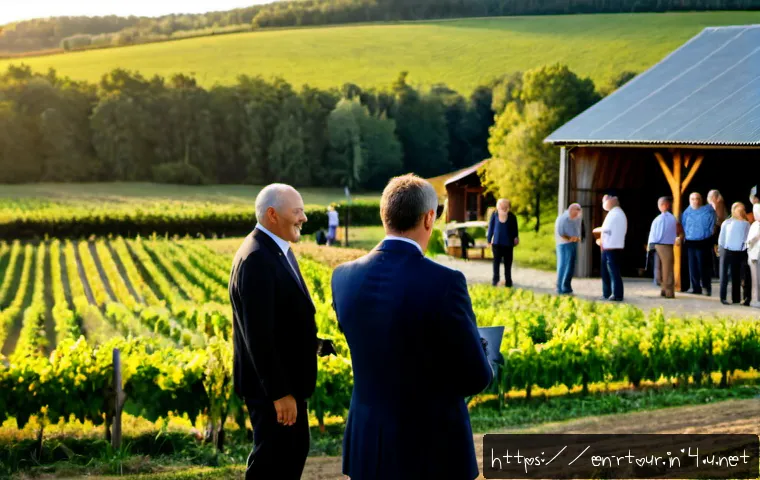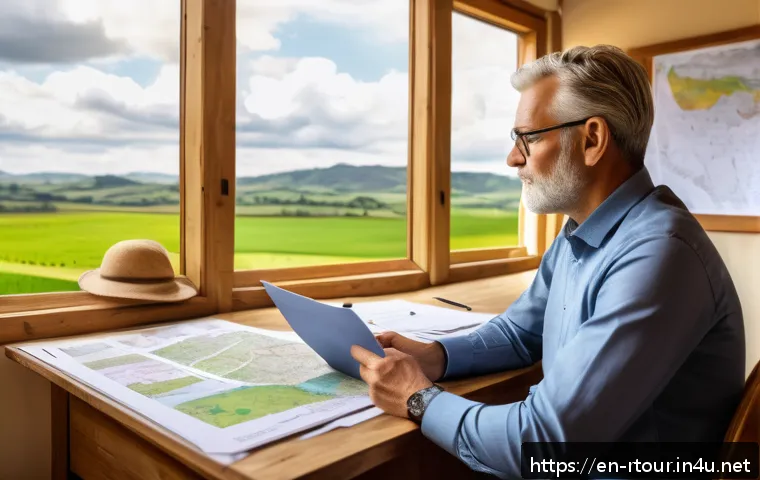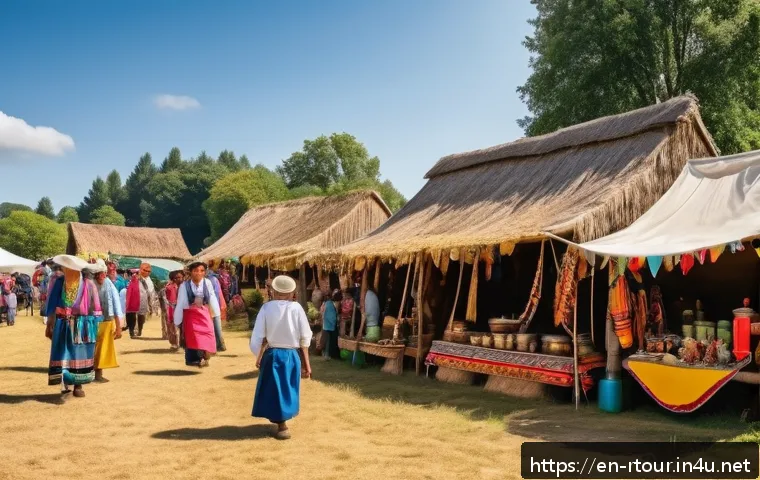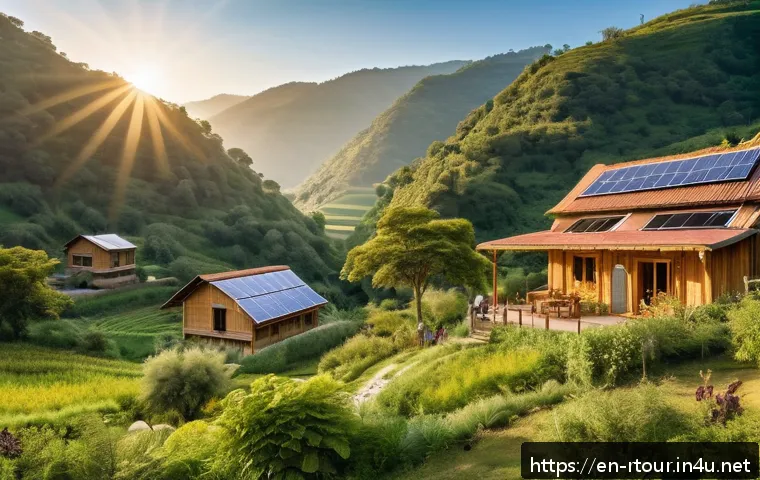
Ever found yourself scrolling through breathtaking photos of serene countryside escapes, thinking, “Someone actually *plans* these incredible experiences?” Well, let me tell you, that ‘someone’ often works behind the scenes at a rural tourism planning agency.
And if you’re picturing idyllic days spent sipping tea and admiring rolling hills, you’re only seeing half the picture! From my years diving deep into the travel industry, I’ve seen firsthand that this role is a dynamic blend of passion, grit, and a serious commitment to local communities.
It’s about more than just drawing visitors; it’s about weaving sustainable practices into every thread of a destination, ensuring that charming village stays and authentic farm-to-table experiences truly benefit everyone, from the local farmer to the curious traveler.
We’re constantly navigating the intricate dance between showcasing a region’s unique charm—think genuine cultural heritage and untouched natural beauty—and tackling very real challenges like infrastructure, marketing a hidden gem to a global audience, and ensuring year-round economic stability.
It’s a career where you genuinely get to be a catalyst for change, helping places thrive while preserving their soul. Trust me, the satisfaction of seeing a revitalized local economy and beaming local faces is simply unmatched.
If you’ve ever dreamt of a job that combines strategic vision with tangible, positive impact, this might just be your calling, especially with the current boom in demand for authentic, eco-conscious getaways.
Curious about what goes into shaping these unforgettable escapes and what it truly means to work in rural tourism planning? Let’s peel back the layers and uncover the full story!
Ever found yourself scrolling through breathtaking photos of serene countryside escapes, thinking, “Someone actually *plans* these incredible experiences?” Well, let me tell you, that ‘someone’ often works behind the scenes at a rural tourism planning agency.
And if you’re picturing idyllic days spent sipping tea and admiring rolling hills, you’re only seeing half the picture! From my years diving deep into the travel industry, I’ve seen firsthand that this role is a dynamic blend of passion, grit, and a serious commitment to local communities.
It’s about more than just drawing visitors; it’s about weaving sustainable practices into every thread of a destination, ensuring that charming village stays and authentic farm-to-table experiences truly benefit everyone, from the local farmer to the curious traveler.
We’re constantly navigating the intricate dance between showcasing a region’s unique charm—think genuine cultural heritage and untouched natural beauty—and tackling very real challenges like infrastructure, marketing a hidden gem to a global audience, and ensuring year-round economic stability.
It’s a career where you genuinely get to be a catalyst for change, helping places thrive while preserving their soul. Trust me, the satisfaction of seeing a revitalized local economy and beaming local faces is simply unmatched.
If you’ve ever dreamt of a job that combines strategic vision with tangible, positive impact, this might just be your calling, especially with the current boom in demand for authentic, eco-conscious getaways.
Curious about what goes into shaping these unforgettable escapes and what it truly means to work in rural tourism planning? Let’s peel back the layers and uncover the full story!
Crafting Authentic Experiences: Beyond the Brochure
Unearthing Local Lore and Lifestyles
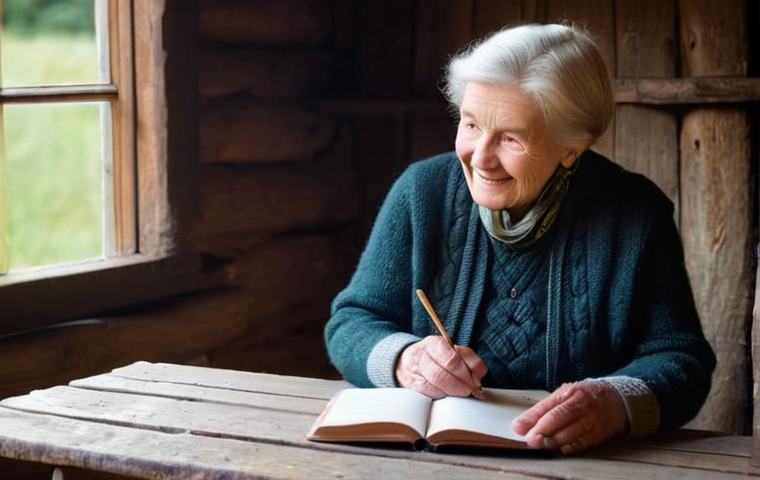
This is where the magic truly begins, you know? It’s not just about listing attractions; it’s about digging deep into the soul of a place. I remember one project in the Scottish Highlands, where we spent weeks just talking to elderly villagers, listening to their stories about local myths, forgotten crafts, and the rhythm of life there decades ago.
You can’t put a price on that kind of insight. We’re talking about unearthing unique traditions, regional culinary secrets, and even the quirks of local dialects that make a place truly special.
My team and I often feel like cultural anthropologists, piecing together a mosaic of history, community spirit, and untouched beauty. We strive to highlight what makes a destination genuinely unique, ensuring that every visitor leaves with a connection, not just a photo.
It’s about creating moments that resonate, that stick with you long after you’ve returned home, and that truly show the heart of the community.
Designing Immersive Traveler Journeys
Once we have that deep understanding, the real fun of designing immersive experiences kicks in. Forget cookie-cutter tours; we’re talking about curating itineraries that allow travelers to step into the local way of life.
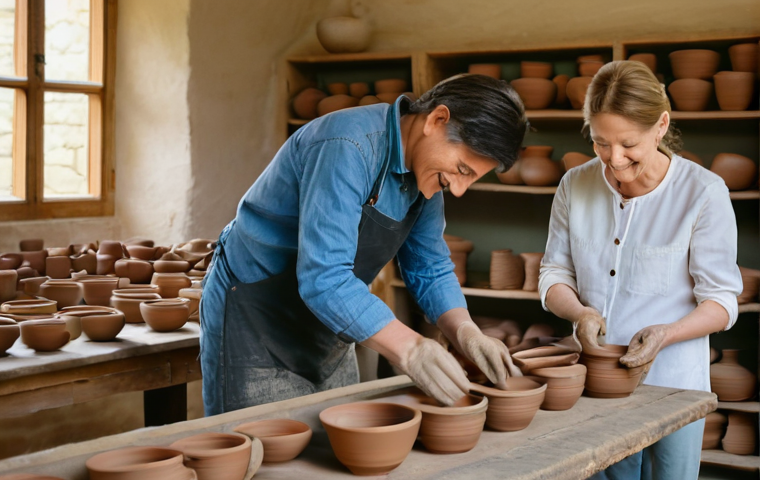
Imagine a workshop with a master potter in a hidden Cotswolds village, or a guided foraging expedition with a local elder in rural Vermont, followed by a farm-to-table meal prepared with those very ingredients.
I’ve personally seen the sparkle in travelers’ eyes when they get to knead dough with a baker who’s used the same sourdough starter for generations, or spend an afternoon learning about beekeeping directly from the source.
It’s about participation, not just observation. We aim for experiences that feel less like a visit and more like a temporary residency, fostering genuine connections between visitors and residents.
This isn’t just good for the traveler; it’s a powerful way to inject vibrancy and economic stability right into the heart of rural communities, making sure that every interaction enriches both sides.
Navigating the Nitty-Gritty: The Realities of Rural Development
Overcoming Infrastructure Hurdles
Let’s be honest, dreaming up incredible experiences is one thing; making them a reality in a remote area is often a whole different ball game. Infrastructure, or the lack thereof, can be a massive headache.
We’re talking about everything from spotty internet access that makes online bookings a nightmare, to winding, unpaved roads that deter visitors, and even limited public transportation options that isolate charming villages.
I’ve spent countless hours in community meetings, discussing the pros and cons of satellite internet solutions or advocating for road improvements that seem tiny but make a huge difference in accessibility.
It’s a constant balancing act, trying to bring modern conveniences without sacrificing the rustic charm that draws people in. You learn quickly that a simple things like reliable cell service can make or break a visitor’s experience, especially when they’re trying to share their amazing moments online.
Regulatory Mazes and Local Bylaws
And just when you think you’ve got the infrastructure sorted, you run headfirst into the bureaucratic labyrinth of regulations and local bylaws. Oh, the stories I could tell!
Every county, every parish, every small town seems to have its own unique set of rules, often designed for completely different contexts. Trying to get permits for a new glamping site or navigate zoning laws for converting a historic barn into a guesthouse can feel like a full-time job in itself.
I once spent three months trying to get approval for a small community-run craft market, only to find out there was an obscure bylaw about temporary structures that needed to be amended.
It’s frustrating, sure, but it’s also a crucial part of the job. You become a bit of a detective, a negotiator, and sometimes, a patient advocate, working with local authorities to find solutions that protect the community while still allowing innovative tourism initiatives to flourish.
It’s all about understanding the rules, and sometimes, gently pushing for sensible changes.
Building Bridges: Community Engagement at Its Core
Empowering Local Stakeholders
For me, this is perhaps the most rewarding part of the job. Rural tourism planning isn’t something you *do* to a community; it’s something you *do with* them.
Empowering local stakeholders means giving farmers, artisans, small business owners, and residents a real voice in how their region is developed for tourism.
I’ve found that when locals are genuinely involved from the ground up, they become the most passionate advocates for the projects. We organize workshops, open forums, and one-on-one chats to ensure their concerns are heard and their ideas are integrated.
There was a time we proposed a new cycling trail, and it was only after a local farmer explained the migratory patterns of a particular bird species that we realized we needed to reroute a section to protect their nesting grounds.
These insights are invaluable. It’s about respecting their land, their livelihoods, and their heritage, and ensuring that any tourism development truly serves their long-term interests and enhances their quality of life.
Fostering Collaborative Ecosystems
Building a thriving rural tourism destination isn’t a solo act; it’s an intricate dance of collaboration. We spend a significant amount of time fostering what I call a “collaborative ecosystem.” This means connecting disparate local businesses – the B&B owner with the local vineyard, the artisan cheese maker with the regional restaurant, the hiking guide with the community market.
We aim to create symbiotic relationships where everyone benefits, and visitors get a seamless, integrated experience. For example, we might facilitate a partnership between a local farm and a guesthouse to offer “harvest your own dinner” experiences, or connect a craft brewery with a cycling tour operator for bespoke tasting stops.
It’s about creating a network where each player strengthens the whole, leading to more diversified offerings and a more resilient local economy. When these connections click, you can really feel the positive energy buzzing through the community, and that’s truly something special.
Showcasing Hidden Gems: Marketing the Unseen
Digital Storytelling for Global Reach
In today’s interconnected world, simply having a beautiful place isn’t enough; you’ve got to tell its story in a way that resonates globally. This means mastering the art of digital storytelling.
We leverage stunning photography, engaging video content, and compelling narratives across social media, blogs, and dedicated tourism websites to paint a vivid picture of what makes a rural destination unique.
I’ve personally spent hours poring over analytics, trying to figure out which types of stories perform best, what keywords attract the most curious travelers, and how to capture that feeling of authentic discovery online.
It’s about creating desire, sparking curiosity, and making people feel like they’re uncovering a secret before they even arrive. We focus on showcasing the genuine characters, the local traditions, and the breathtaking landscapes that make these places so special, transforming a lesser-known spot into a must-visit destination.
Partnerships for Wider Exposure
While digital storytelling is powerful, broadening our reach often requires strategic partnerships. We actively seek collaborations with travel influencers, niche tour operators, and even national tourism boards to amplify our message.
Imagine a well-known travel blogger spending a week documenting their authentic farm stay, or a specialist hiking company offering guided tours through newly developed trails.
These partnerships provide invaluable third-party validation and expose our rural destinations to audiences we might never reach on our own. I’ve negotiated countless deals, from sponsored content arrangements to joint marketing campaigns, always with an eye on ensuring the partnership aligns with the authentic ethos of the destination.
It’s about smart, targeted exposure that attracts the right kind of traveler—those who appreciate genuine experiences and are committed to respectful, sustainable tourism.
It’s not just about getting eyeballs; it’s about attracting the right hearts.
The Art of Sustainable Growth: Protecting What We Love
Balancing Visitor Impact with Conservation
This is the tightrope walk of rural tourism planning: how do you welcome visitors and boost the local economy without loving a place to death? It’s a challenge I grapple with daily.
We’re constantly analyzing visitor numbers, assessing environmental footprints, and developing strategies to mitigate potential negative impacts. This could mean implementing staggered entry times for popular natural attractions, creating designated walking paths to protect sensitive ecosystems, or educating visitors on responsible tourism practices.
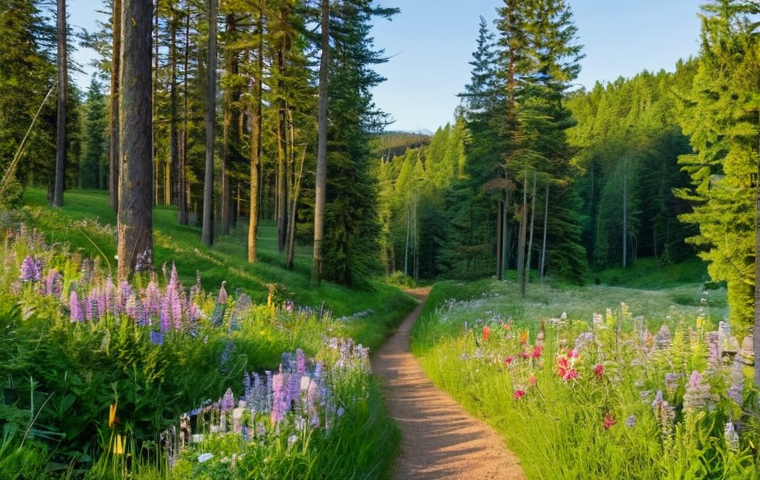
I recall a stunning wildflower meadow that was being trampled by too many eager photographers; we worked with the local conservancy to install discrete boardwalks and clear signage, which successfully preserved the delicate flora while still allowing enjoyment.
Our goal isn’t just to attract tourists, but to foster a deep appreciation for the natural and cultural heritage, ensuring that these precious rural landscapes remain vibrant for generations to come.
Eco-Friendly Practices and Green Initiatives
Beyond just minimizing negative impacts, we actively champion and integrate eco-friendly practices into every aspect of rural tourism development. This isn’t just a buzzword; it’s a commitment to the long-term health of these communities and environments.
We encourage local businesses to adopt sustainable energy solutions, reduce waste, source local produce, and conserve water. I’ve personally helped small guesthouses apply for grants to install solar panels or transition to composting toilets.
We also promote “leave no trace” principles rigorously and encourage visitors to engage in activities like tree planting or beach clean-ups. It’s about creating a culture of sustainability where both hosts and guests understand their role in preserving the beauty and integrity of the rural landscape.
When you visit these places, you often feel a deep connection to the environment, and it’s our job to ensure that connection is sustainable.
Funding the Vision: Securing the Future of Rural Tourism
Grants, Loans, and Creative Financing
Let’s be real: great ideas need great funding, and rural tourism projects are no exception. Securing the necessary capital can be one of the toughest, yet most critical, aspects of our work.
We spend a significant amount of time researching and applying for various grants from government agencies, philanthropic foundations, and environmental organizations.
Beyond grants, we explore low-interest loans specifically designed for rural development and even delve into creative financing models like crowdfunding for community-led initiatives.
I’ve written countless proposals, highlighting the economic, social, and environmental benefits of each project, always with an eye on demonstrating long-term viability.
It’s a bit like being a financial architect, piecing together resources from diverse sources to bring a vision to life. One successful grant application for a new heritage trail can truly transform a struggling local economy, and seeing that impact is incredibly motivating.
Investing in Long-Term Community Benefits
The financial aspect isn’t just about getting money in the door; it’s about strategic investment that yields lasting community benefits. We’re not interested in short-term gains that leave a place exploited.
Our focus is on projects that create sustainable jobs, support local businesses, and enhance the overall quality of life for residents. This means investing in things like vocational training for hospitality skills, supporting local farmers to diversify into agri-tourism, or funding community centers that can double as visitor information hubs.
I firmly believe that successful rural tourism is measured not just by visitor numbers, but by the tangible improvements in local livelihoods and community pride.
When we secure funding, the first question is always: “How will this truly benefit the people who live here?” It’s a commitment to ensuring that tourism is a force for good, building resilience and prosperity from within the community itself.
Embracing Innovation: Tech and Trends in the Countryside
Leveraging Technology for Visitor Management
It might sound contradictory to merge “rural” with “tech,” but honestly, technology is a game-changer in visitor management for rural areas. We’re talking about implementing online booking systems that make it easy for travelers to plan their trips, using mobile apps for interactive trail maps and local guides, and even utilizing data analytics to understand visitor flow and preferences.
I’ve seen small, off-the-beaten-path destinations use simple QR codes at points of interest to provide multilingual historical information or connect visitors directly to local producers.
It’s not about urbanizing the countryside, but about using smart tools to enhance the visitor experience and streamline operations for local businesses.
This allows smaller enterprises to compete on a more level playing field with larger destinations, ensuring they don’t get left behind in the digital age.
Adapting to Evolving Traveler Expectations
The world of travel is constantly shifting, and what travelers wanted five or ten years ago isn’t necessarily what they’re looking for today. The demand for authentic, sustainable, and off-the-grid experiences has skyrocketed.
People are seeking more than just pretty scenery; they want to engage, learn, and contribute positively to the places they visit. This means we have to be incredibly agile, constantly monitoring global travel trends and adapting our offerings.
I’ve personally seen the rise of “slow travel,” “wellness retreats,” and “digital detox” experiences, all of which are perfectly suited for rural environments.
Our role is to identify these emerging desires and help rural communities craft compelling products that meet them, without compromising their unique identity.
It’s an exciting challenge, always pushing us to think creatively and ensure these hidden gems remain relevant and appealing to the modern adventurer.
| Aspect of Rural Tourism Planning | Key Focus Areas | Impact on Community/Traveler |
|---|---|---|
| Experience Design | Cultural immersion, local activities, unique narratives | Authentic connection for travelers, preservation of local heritage, diversified income for locals |
| Infrastructure & Regulations | Accessibility, digital connectivity, permit navigation | Improved visitor comfort, legal compliance, sustainable development |
| Community Engagement | Local voice, stakeholder collaboration, equitable benefits | Increased local ownership, stronger community bonds, shared prosperity |
| Marketing & Promotion | Digital storytelling, strategic partnerships, niche targeting | Wider global reach, attracting ideal visitors, economic growth |
| Sustainability Practices | Environmental protection, resource conservation, responsible visitor education | Preservation of natural assets, reduced ecological footprint, long-term viability |
| Funding & Investment | Grants, loans, community-focused financial models | Project realization, job creation, sustained economic development |
Concluding Thoughts
Wow, what a journey we’ve taken through the fascinating world of rural tourism planning! As you can tell, it’s far more than just mapping out pretty trails or finding charming guesthouses.
It’s a deep dive into culture, community, and commitment, where every decision weaves into the fabric of a destination. From navigating complex regulations to celebrating a local artisan’s craft, this role constantly challenges and rewards me.
I truly believe that by fostering thoughtful, sustainable tourism, we not only create unforgettable experiences for visitors but also build vibrant, resilient futures for our beloved rural communities.
It’s a challenging path, for sure, but the personal satisfaction of seeing a place flourish while retaining its authentic soul? Absolutely priceless.
Handy Tips for Aspiring Rural Tourism Planners
1. Engage with Locals First and Foremost: Your most valuable asset isn’t a glossy brochure, it’s the people who call the place home. Spend time listening to their stories, understanding their needs, and involving them in every step of the planning process. Genuine community buy-in is the bedrock of any successful rural tourism initiative, transforming potential critics into passionate advocates. I’ve found that the best ideas often come from those who have lived there their entire lives.
2. Champion Sustainability in Every Aspect: This isn’t just a trend; it’s an imperative. From promoting eco-friendly accommodations to advocating for ‘leave no trace’ principles, integrate sustainability into your core strategy. Visitors today are increasingly conscious of their impact, and showcasing your commitment to environmental and cultural preservation will not only attract them but also ensure the longevity of the destination itself. It’s about protecting the very charm that draws people in.
3. Master the Art of Digital Storytelling: In a world driven by social media and online searches, a stunning landscape isn’t enough; you need to tell its unique story compellingly. Invest in high-quality photography and video, craft engaging narratives for blogs and websites, and understand SEO to ensure your hidden gems are discoverable. Think about what makes a place truly special and find creative ways to convey that magic to a global audience, making them feel like they’re discovering a secret.
4. Embrace Challenges as Opportunities: You *will* encounter hurdles—be it patchy internet, winding roads, or intricate local bylaws. Don’t let these deter you. Instead, view them as opportunities for innovation. Can a community-led initiative improve infrastructure? Are there creative solutions for regulatory mazes? A problem-solving mindset and a willingness to collaborate with local authorities and residents can turn apparent setbacks into unique selling points or powerful community-building exercises.
5. Cultivate Patience and Passion: Rural tourism development is rarely a quick win; it’s a marathon, not a sprint. There will be long meetings, slow progress, and moments of frustration. But if you have a genuine passion for these places and their people, that dedication will fuel your persistence. The rewards—seeing a local economy thrive, a forgotten craft revitalized, or a visitor connect deeply with a destination—are immensely satisfying and make every effort worthwhile.
Key Takeaways
At its heart, rural tourism planning is a delicate yet powerful balancing act: preserving the authentic character and natural beauty of a region while simultaneously fostering sustainable economic growth and enriching the lives of its residents.
It demands a holistic approach, blending cultural appreciation, environmental stewardship, savvy marketing, and unwavering community engagement. Ultimately, our goal is to create meaningful, immersive experiences for travelers that genuinely benefit the rural communities, ensuring these cherished destinations thrive for generations to come.
Frequently Asked Questions (FAQ) 📖
Q: What exactly does a rural tourism planner do on a day-to-day basis? It sounds like a dream job, but I’m curious about the nitty-gritty.
A: Oh, if only it were all just picturesque drives and charming village tours! While those are definitely perks, the day-to-day reality of a rural tourism planner is a fascinating whirlwind, a truly dynamic blend of strategy, creativity, and a whole lot of community engagement.
Think of us as the architects of authentic experiences, the bridge between a region’s untapped potential and the curious traveler. My mornings often kick off with diving into market research—understanding what today’s traveler is truly seeking.
Are they craving farm-to-table culinary adventures, immersive cultural workshops, or maybe off-the-beaten-path hiking trails? Then, it’s about connecting with local stakeholders: chatting with farmers about agritourism opportunities, collaborating with artisans to develop unique craft experiences, or meeting with local councils to discuss infrastructure improvements.
I’ve spent countless afternoons literally walking through fields with landowners, envisioning new glamping sites or sketching out plans for a sustainable trail system.
There’s a significant amount of proposal writing, too – securing grants and funding is absolutely crucial for bringing these visions to life. And let me tell you, getting everyone on the same page, from local businesses to environmental groups, can be like orchestrating a symphony!
But when you see a local community truly embrace a new initiative, like a vibrant farmers’ market attracting visitors and boosting local livelihoods, that’s when you feel the real magic happen.
It’s a job that keeps you on your toes, constantly adapting and innovating, but the satisfaction of seeing a place thrive because of your efforts? Unbeatable, truly.
Q: It sounds idyllic, but I imagine there must be some significant hurdles. What are some of the biggest challenges you face when trying to develop rural tourism?
A: You’ve hit the nail on the head! While the vision is often idyllic, the path to realizing it is almost always paved with challenges. From my experience, one of the biggest initial hurdles is often infrastructure.
We’re talking about everything from reliable internet access in remote areas to improving road networks and ensuring adequate, sustainable waste management.
It’s tough to attract visitors if they can’t easily get there or stay connected. Another huge one is funding; securing the capital for new projects, whether it’s building a new visitor center or marketing a region, requires persistence and a knack for grant writing.
I’ve definitely had my share of late nights piecing together funding applications, hoping to secure that crucial lifeline. Then there’s the delicate balance of authentic charm versus over-tourism.
Our goal is to enhance, not exploit. How do you market a “hidden gem” without making it so popular that it loses its unique character? This means constant engagement with local communities to ensure new developments are welcomed and truly benefit everyone, not just a select few.
Sometimes, locals can be skeptical, and rightfully so – they’ve often seen promises come and go. Building trust and demonstrating tangible benefits takes time and consistent effort.
Lastly, the seasonal nature of some rural areas can be a real headache. How do you encourage year-round visitation when the main draw might be winter sports or summer festivals?
It requires creative thinking to diversify attractions and events, turning those “off-seasons” into new opportunities. Believe me, it’s rarely a straight shot from idea to execution!
Q: How does rural tourism actually benefit local communities, beyond just bringing in a few extra dollars? I’m interested in the deeper impact.
A: That’s a fantastic question, and it gets right to the heart of why I’m so passionate about this work. While economic injection is a crucial component – creating jobs in hospitality, local crafts, guiding, and food services – the true impact of well-planned rural tourism goes so much deeper.
I’ve seen firsthand how it can breathe new life into communities that might otherwise be struggling with depopulation or a decline in traditional industries.
Firstly, it acts as a powerful catalyst for cultural preservation. When visitors come seeking authentic experiences, it creates demand for local traditions, crafts, and storytelling.
This often encourages younger generations to reconnect with their heritage, seeing its value in a new light. I remember one project where revitalizing an old weaving tradition became a huge draw, not only creating jobs but also instilling immense pride in the community’s unique identity.
Secondly, it fosters environmental stewardship. Sustainable rural tourism inherently encourages the protection of natural landscapes, as these are often the primary attractions.
Funds from tourism can be reinvested into conservation efforts, trails maintenance, and wildlife protection. Thirdly, it can diversify local economies.
Relying on a single industry can be risky; tourism offers an alternative income stream, creating resilience. Farmers can diversify into agritourism, offering farm stays or produce tours, which means more stable income.
Finally, and perhaps most importantly, it builds community pride and cohesion. When a village sees its unique assets appreciated by outsiders, and when locals work together to welcome visitors, it often sparks a renewed sense of purpose and belonging.
It’s about more than just money; it’s about creating a vibrant, sustainable future where both residents and visitors can genuinely flourish.