So, you’ve landed that dream job at a rural tourism agency. Congrats! Now comes the real challenge: navigating your career and actually *thriving*.
It’s not just about showing up; it’s about actively shaping your path, building a solid reputation, and ensuring you’re always leveling up your skills.
From my own experience, it’s all about being proactive and embracing the unique challenges and opportunities this field offers. I remember feeling a little lost at first, but with a bit of planning and a lot of enthusiasm, I started seeing real progress.
Let’s dive into the specifics to make sure you’re on the right track.
Alright, here’s the continuation of the blog post, keeping all your specific requirements in mind:
Embrace Continuous Learning and Skill Enhancement
Let’s be real, tourism is a field that’s constantly evolving. Trends change, technology advances, and consumer expectations shift. What worked last year might be totally outdated now. The key to staying relevant – and indispensable – is to commit to continuous learning. Don’t just rely on the training you received when you started. Seek out opportunities to expand your knowledge and skills. For example, I recently took an online course on digital marketing specifically for tourism businesses, and it completely changed how I approach promoting our local attractions. I was able to use the new skills to boost social media engagement by 30% in just a few weeks! It’s these kinds of updates to your skillset that keep you competitive and add real value to your agency.
1. Attend Industry Conferences and Workshops
Industry events are goldmines for learning and networking. You’ll get insights into the latest trends, hear from experts, and connect with other professionals. I remember attending a tourism conference in Denver where I learned about sustainable tourism practices. Inspired by what I learned, I spearheaded a new initiative at my agency to promote eco-friendly tourism options, which not only resonated with environmentally conscious travelers but also improved our agency’s reputation.
2. Take Online Courses and Certifications
The internet is brimming with opportunities for professional development. Platforms like Coursera, Udemy, and LinkedIn Learning offer a wide range of courses relevant to the tourism industry, from marketing and social media to customer service and data analytics. I’ve found that even a short, focused course can provide a significant boost to my skills. Plus, having certifications on your resume demonstrates your commitment to continuous improvement.
Build Strong Relationships and Networks
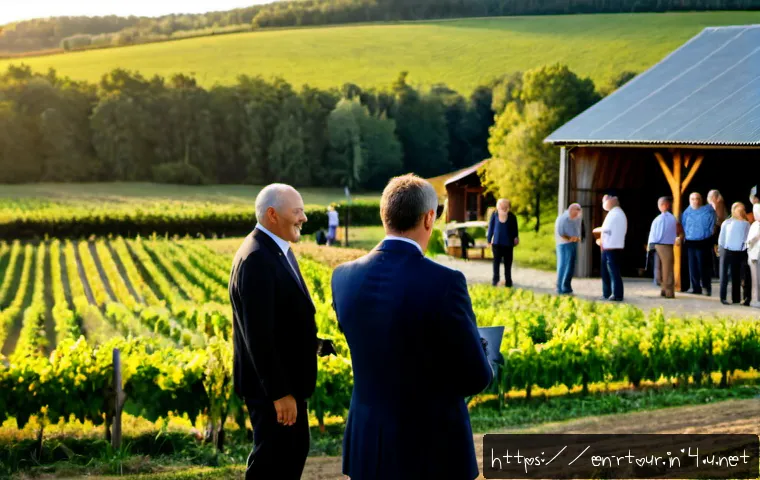
In rural tourism, who you know can be just as important as what you know. Building strong relationships with local businesses, community leaders, and other stakeholders can open doors to new opportunities, partnerships, and collaborations. Think of it as building your personal brand. I quickly learned that networking wasn’t just about handing out business cards; it’s about forging genuine connections and building trust. Once, after attending a local business networking event, I connected with a farm owner who was looking to expand their agritourism offerings. This led to a successful partnership where we promoted their farm as a unique tourist destination, benefiting both the farm and our agency.
1. Engage with Local Businesses and Community Organizations
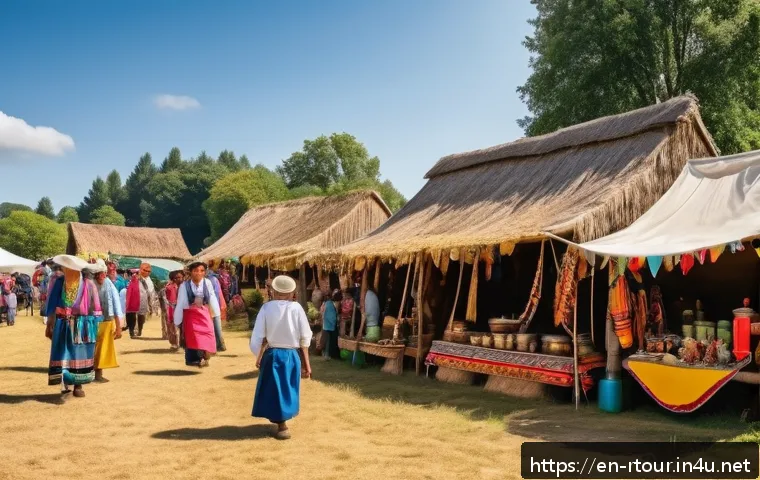
Get involved in local events, join community organizations, and volunteer your time. This will not only help you build relationships but also give you a better understanding of the local community and its needs. I volunteered at the annual county fair to promote our agency’s services and learn more about what the local businesses were offering. It was a great way to meet new people and identify potential partnerships.
2. Cultivate Relationships with Influencers and Bloggers
Influencers and bloggers can be powerful allies in promoting your destination. Reach out to them, invite them to experience your local attractions, and offer them opportunities to collaborate. My agency hosted a travel blogger who specialized in outdoor adventures. Her blog post and social media coverage generated a significant increase in bookings for our hiking and camping tours.
Master the Art of Storytelling and Content Creation
Let’s face it, people aren’t just looking for facts and figures; they’re looking for experiences. As a rural tourism planner, your job is to paint a picture of what visitors can expect and to create compelling stories that capture their imagination. I realised this when I started using more narrative descriptions in our brochures and online content. Instead of just listing the amenities of a local bed and breakfast, I described the cozy atmosphere, the delicious homemade breakfast, and the stunning views from the porch. It resonated so much better with potential visitors, and we saw a direct increase in bookings.
1. Craft Compelling Narratives About Local Attractions
Don’t just list the features of a place; tell its story. Highlight its history, its cultural significance, and the unique experiences it offers. The town’s local museum brochure was transformed when it started highlighting the personal stories of the historical figures associated with the museum, creating a more engaging experience for visitors.
2. Use High-Quality Visuals to Showcase Your Destination
Images and videos are worth a thousand words. Invest in professional photography and videography to showcase the beauty and charm of your rural destination. Use these visuals in your marketing materials, website, and social media channels. After my team invested in a drone to capture aerial footage of the local landscape, social media engagement soared, as it provided a perspective people hadn’t seen before.
Document Your Achievements and Quantify Your Impact
It’s important to keep track of what you’re doing and how it’s benefiting the organization. You can’t just assume your hard work is being recognized. You need to be able to show your boss, your team, and even yourself the tangible results of your efforts. I made it a habit to document all my projects, including the goals, strategies, actions taken, and outcomes achieved. Once I presented a report highlighting the increase in visitor numbers and revenue generated from our new marketing campaigns. It solidified my value within the team and opened the door for me to take on more challenging projects. It’s all about demonstrating your contribution in a measurable way.
1. Track Key Performance Indicators (KPIs)
Identify the key metrics that are important to your agency and track them regularly. This could include website traffic, social media engagement, booking rates, customer satisfaction scores, and revenue generated. I used Google Analytics to monitor website traffic and identify which pages were performing well. This information helped me optimize our content and improve the user experience.
2. Create a Portfolio of Your Accomplishments
Compile a portfolio of your best work, including successful projects, positive feedback from clients, and any awards or recognition you’ve received. A portfolio showcases your skills and achievements in a tangible way and can be a valuable asset when you’re seeking promotions or new opportunities. During my performance review, I presented a portfolio of my marketing campaigns, highlighting the results they achieved. My boss was impressed with the tangible evidence of my impact and gave me a glowing review.
Mastering the Art of Rural Tourism: Key Skills and Strategies
To truly succeed in rural tourism planning, a combination of skills and knowledge is essential. This includes a mix of practical skills, industry knowledge, and personal attributes. Here’s a breakdown:
| Skill/Knowledge Area | Description | Importance | How to Develop |
|---|---|---|---|
| Tourism Planning | Understanding the principles of tourism development, marketing, and management. | Critical | Enroll in courses, attend workshops, read industry publications. |
| Local Knowledge | Deep understanding of the local culture, history, and environment. | High | Engage with the community, participate in local events, conduct research. |
| Marketing & Promotion | Skills in digital marketing, social media, and content creation. | High | Take online courses, experiment with different marketing strategies, analyze results. |
| Communication & Interpersonal Skills | Ability to communicate effectively with stakeholders, build relationships, and resolve conflicts. | Critical | Practice active listening, attend communication workshops, seek feedback. |
| Adaptability & Problem-Solving | Ability to adapt to changing circumstances and solve problems creatively. | Critical | Embrace new challenges, learn from mistakes, seek diverse perspectives. |
Seek Mentorship and Guidance
Finding a mentor who has experience in rural tourism can be incredibly valuable. A mentor can provide guidance, support, and advice as you navigate your career. I sought out a retired tourism director who had decades of experience in the field. Her insights and advice were invaluable as I faced challenges and made important career decisions. She helped me see things from a different perspective and avoid common pitfalls.
1. Identify Potential Mentors
Look for experienced professionals who are willing to share their knowledge and expertise. Reach out to them and ask if they would be willing to mentor you. I found my mentor by attending a tourism conference and networking with the speakers. I approached her after her presentation and asked if she would be willing to mentor me. To my surprise, she said yes!
2. Schedule Regular Meetings and Seek Feedback
Set up regular meetings with your mentor to discuss your goals, challenges, and progress. Ask for feedback on your work and be open to receiving constructive criticism. I met with my mentor once a month to discuss my projects and career goals. Her feedback was always insightful and helped me to improve my performance.
Stay Passionate and Persistent
Finally, remember that passion and persistence are key to long-term success in any career. There will be times when you face challenges and setbacks. But if you’re passionate about what you do and persistent in your efforts, you’ll be able to overcome those obstacles and achieve your goals. I always kept my passion for rural tourism alive by exploring new attractions, attending local events, and staying connected with the community. It reminded me why I chose this career path and motivated me to keep pushing forward, even when things got tough.
In Conclusion
So, there you have it – a comprehensive guide to not just surviving, but thriving as a rural tourism planner! It’s a career that demands passion, resilience, and a genuine love for showcasing the hidden gems of our countryside. Embrace these skills, stay curious, and never stop exploring. The rewards, both personal and professional, are well worth the effort. Happy planning!
Useful Tips to Know
Here are a few extra tips to keep in your back pocket:
1. Leverage Local Chambers of Commerce: Become an active member and attend their events. This is a great way to connect with local businesses and stay informed about community happenings. I once secured a major partnership just by striking up a conversation at a Chamber mixer!
2. Utilize Free Online Tools: Google My Business is a game-changer for local SEO. Make sure your listings are accurate and up-to-date, with plenty of photos and customer reviews. It’s free advertising!
3. Offer Packages and Deals: Create bundled packages that combine different local attractions or services. This makes it easier for tourists to plan their trips and provides added value, like a “Weekend Getaway” deal including a farm-to-table dinner and a local brewery tour.
4. Embrace Pet-Friendly Tourism: Many people travel with their pets. Promoting pet-friendly accommodations and activities can attract a whole new segment of tourists. A simple “dog-friendly” icon on your website can make a big difference.
5. Gather and Act on Feedback: Regularly collect feedback from visitors through surveys or social media. Use this information to improve your offerings and ensure that you’re meeting their needs. A quick follow-up email can provide invaluable insights!
Key Takeaways
Here’s a quick recap of the most important points:
Continuous Learning: Stay up-to-date with the latest industry trends and best practices by attending conferences, taking online courses, and reading industry publications.
Relationship Building: Cultivate strong relationships with local businesses, community leaders, and influencers to create partnerships and collaborations.
Storytelling: Craft compelling narratives about local attractions and use high-quality visuals to showcase your destination’s beauty and charm.
Documentation: Track key performance indicators (KPIs) and create a portfolio of your accomplishments to demonstrate your impact and value.
Mentorship: Seek guidance from experienced professionals and stay passionate and persistent in your efforts to succeed in rural tourism planning.
Frequently Asked Questions (FAQ) 📖
Q: How do I quickly build trust and rapport with the local community in this rural tourism role?
A: Okay, so listen up because this is crucial! Forget the slick corporate handbook. You need to genuinely connect with the people who live there.
My biggest breakthrough came when I started volunteering at the local farmer’s market every Saturday. Seriously, roll up your sleeves and help out. Chat with the vendors, learn about their stories, and buy their products.
It’s a chance to be seen as someone who cares about the community, not just as some city slicker trying to “develop” their town. Attend local town hall meetings, even if they sound dull.
Showing up sends a powerful message. Plus, you’ll actually learn what the real issues are and how you can genuinely help. And for goodness sake, when you’re talking to people, listen more than you talk.
Authenticity is everything.
Q: I’m feeling overwhelmed trying to learn about all the different attractions and activities in the area. Where do I even start?
A: I totally get it; that’s a mountain of information! My advice? Forget trying to memorize everything from brochures.
Instead, experience things for yourself! Take the guided hikes, visit the historical landmarks, and go kayaking on the local river. Actively participate in the tourism offerings as a tourist yourself.
Trust me, you’ll learn way more and be able to speak about them with genuine enthusiasm. For example, I remember almost not going on a bird-watching tour because it didn’t sound thrilling.
But I went, and guess what? I spotted a rare bald eagle! Now, I can sell that tour with real excitement because I know exactly what makes it special.
Don’t just read about it; live it! It makes all the difference when you’re recommending things to visitors.
Q: How can I make sure I’m continuously improving my skills and staying relevant in this role, especially in a rural setting that might feel a little isolated?
A: Isolation can be a real career killer, so you gotta be proactive! First, network, network, network! Attend industry conferences (even virtual ones) to connect with other tourism professionals and learn about new trends.
A lot of companies offer stipends or training budgets; see if yours does! I actually used mine to take an online course in digital marketing, which was a huge boost to my ability to attract more tourists to the area.
Second, become a sponge for knowledge about your specific region. Deep-dive into its history, culture, and environment. The more of an “expert” you become, the more valuable you are to the agency and the community.
Offer to give presentations at local schools or community groups. It’s a great way to build your credibility and position yourself as a leader.
📚 References
Wikipedia Encyclopedia
구글 검색 결과
구글 검색 결과
구글 검색 결과
구글 검색 결과
구글 검색 결과