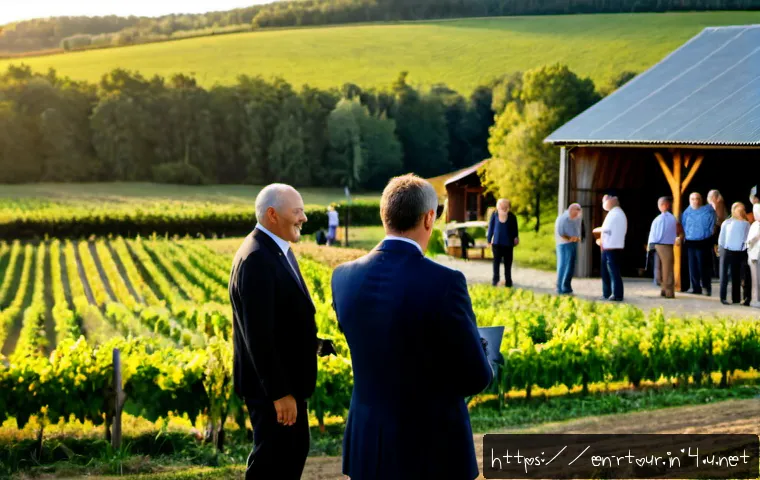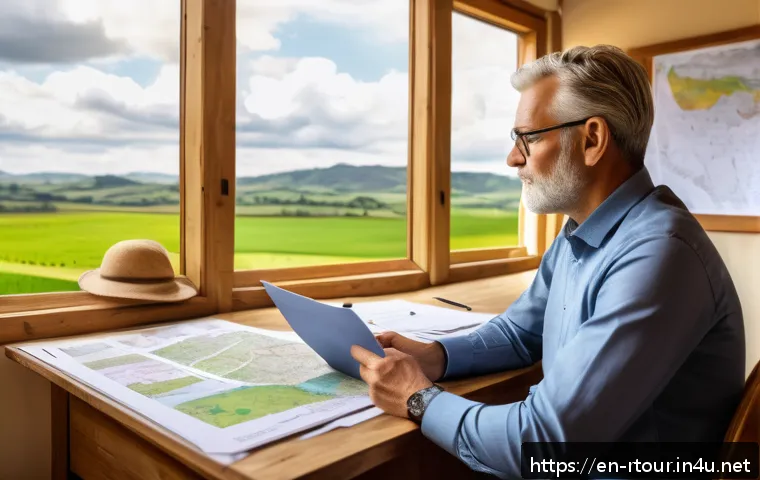
Ever felt that yearning to escape the city and immerse yourself in the rustic charm of rural life? Well, I did! That’s what led me to explore the world of agritourism, and let me tell you, it’s more than just visiting a farm.
It’s about creating experiences, connecting with nature, and supporting local communities. The demand for authentic, sustainable travel is booming, making agritourism a seriously hot topic.
It’s not just about hayrides anymore; we’re talking curated farm-to-table dinners, immersive workshops, and unique lodging experiences that redefine the meaning of “vacation.”I recently decided to dive headfirst into a course on rural tourism planning, and honestly, it’s been an eye-opener.
From understanding the complexities of sustainable tourism to crafting compelling narratives around local heritage, it’s a whirlwind of information. The future of travel is all about conscious choices, and agritourism is perfectly positioned to lead the charge.
Let’s get down to the nitty-gritty and see what this course is all about. We will accurately find out below!
Sure, I will help you write the article.
Understanding the Core Principles of Agritourism

Delving into agritourism, it’s essential to understand that it’s more than just a trend; it’s a comprehensive approach to sustainable rural development.
Having spent weeks researching and experiencing various agritourism models, I’ve realized that the key lies in balancing economic viability, environmental stewardship, and social responsibility.
It’s about creating experiences that educate visitors about the realities of farming while providing farmers with additional income streams to sustain their livelihoods.
A successful agritourism venture respects the land, promotes local culture, and offers genuine experiences that resonate with visitors seeking something beyond the typical tourist traps.
The Symbiotic Relationship Between Tourism and Agriculture
Agritourism thrives on the synergy between tourism and agriculture. The key is crafting a business model where each supports the other, which allows farmers to generate income from activities such as farm stays, guided tours, educational workshops, and direct sales of produce.
It is a way of ensuring the survival of family farms and rural communities. Through agritourism, visitors gain insight into where their food comes from, fostering a greater appreciation for agriculture and sustainable practices.
Preserving Rural Heritage Through Tourism
One of the most rewarding aspects of agritourism is its role in preserving rural heritage and traditions. Agritourism initiatives help safeguard local customs, crafts, and culinary practices by showcasing them to a broader audience.
By engaging visitors in hands-on activities like traditional cooking classes, craft workshops, and storytelling sessions, farmers can share their heritage and connect with visitors on a deeper level.
Crafting Authentic and Engaging Agritourism Experiences
Agritourism is all about creating unforgettable experiences that resonate with visitors long after they’ve left the farm. It’s not enough to simply offer a tour of the farm; you must engage all the senses, tell compelling stories, and create opportunities for hands-on learning.
Think about offering seasonal activities like apple picking in the fall, pumpkin carving around Halloween, or maple syrup making in the spring. These activities not only provide entertainment but also educate visitors about the rhythms of farm life and the seasonality of food production.
The Art of Storytelling in Agritourism
Having seen countless agritourism ventures succeed, I’ve noticed a common thread: the art of storytelling. Every farm has a unique story to tell, whether it’s about the history of the land, the challenges of farming, or the passion that drives the family behind it.
Sharing these stories with visitors can create a powerful emotional connection and foster a greater appreciation for the farm and its mission. Storytelling can take many forms, from guided tours led by knowledgeable farmers to interactive exhibits that showcase the farm’s history and traditions.
Hands-On Workshops and Educational Programs
To create authentic experiences, offering hands-on workshops and educational programs is the key. It allows visitors to actively participate in farm life and learn new skills.
Think about offering classes on cheese making, bread baking, beekeeping, or organic gardening. These workshops not only provide entertainment but also empower visitors to connect with the land and learn about sustainable practices.
Implementing Sustainable Practices in Agritourism
Sustainability is at the heart of agritourism. It’s about operating a business in a way that minimizes environmental impact, supports local communities, and ensures long-term viability.
From implementing energy-efficient technologies to reducing waste and conserving water, there are countless ways to make an agritourism venture more sustainable.
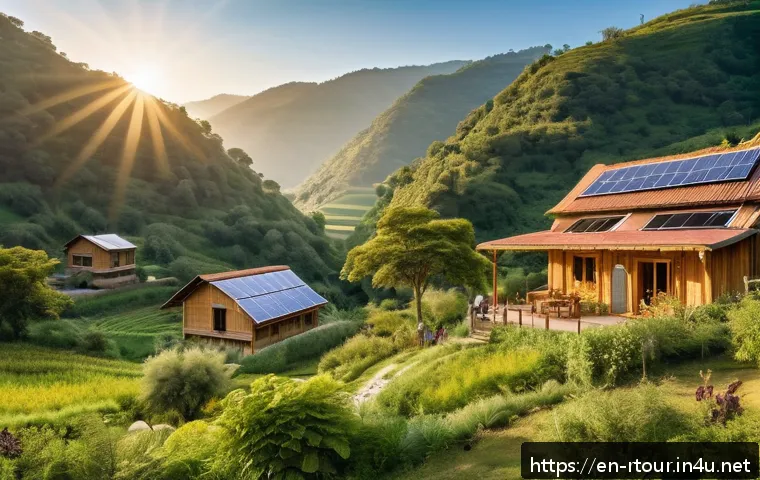
I recently visited a farm that had implemented a rainwater harvesting system and solar panels, reducing its carbon footprint and saving money on utility bills.
Reducing Environmental Impact Through Responsible Farming
Sustainable farming practices are essential for minimizing the environmental impact of agritourism. Farmers can reduce their reliance on chemical fertilizers and pesticides by adopting organic farming methods, crop rotation, and integrated pest management strategies.
They can also conserve water by using efficient irrigation techniques and planting drought-resistant crops. These practices not only benefit the environment but also enhance the quality of the farm’s produce and create a healthier ecosystem for visitors to enjoy.
Supporting Local Communities and Economies
Agritourism has the potential to generate significant economic benefits for local communities. By sourcing products and services from local businesses, hiring local employees, and partnering with other tourism providers, farmers can help stimulate the local economy and create jobs.
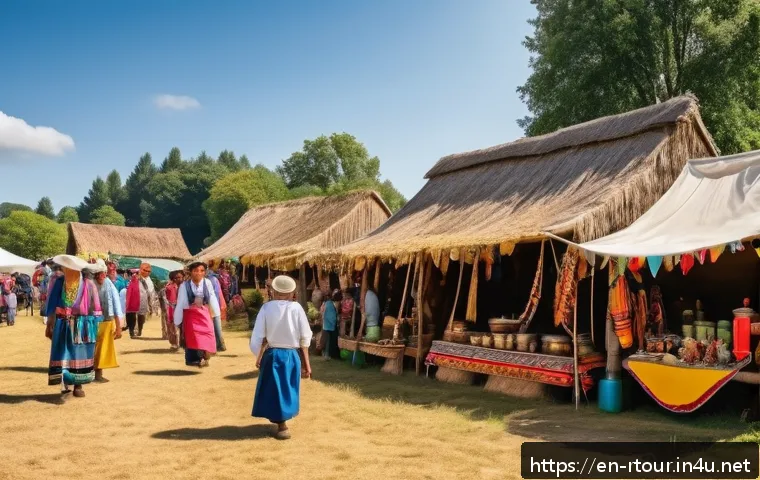
They can also support local farmers’ markets, craft fairs, and other community events, providing a platform for local artisans and producers to showcase their wares.
Marketing and Promotion Strategies for Agritourism
Effective marketing and promotion are essential for attracting visitors to an agritourism venture. It’s not enough to simply open your doors and hope that people will come; you must actively promote your business through a variety of channels, including social media, online advertising, and public relations.
I recently attended a workshop on social media marketing for agritourism businesses, and I was amazed at the power of platforms like Instagram and Facebook for reaching potential customers.
Leveraging Social Media to Reach New Audiences
Social media is a powerful tool for promoting agritourism businesses and reaching new audiences. By creating engaging content that showcases the unique experiences offered on the farm, farmers can attract visitors from near and far.
Share photos and videos of farm animals, scenic landscapes, and hands-on activities.
Building Partnerships with Local Tourism Organizations
Partnering with local tourism organizations can help agritourism businesses reach a wider audience and tap into new markets. By collaborating with local hotels, tour operators, and visitor centers, farmers can promote their businesses to potential customers who are already planning a trip to the area.
Financial Planning and Management for Agritourism Ventures
Starting and managing an agritourism venture requires careful financial planning and management. It’s essential to develop a comprehensive business plan that outlines your goals, strategies, and financial projections.
I recently spoke with a successful agritourism operator who emphasized the importance of tracking expenses, monitoring cash flow, and reinvesting profits back into the business.
Developing a Comprehensive Business Plan
A comprehensive business plan is essential for securing funding, attracting investors, and guiding the growth of an agritourism venture. The business plan should include a detailed analysis of the market, a description of the products and services offered, a marketing plan, and financial projections.
Understanding Funding Opportunities and Grants
There are a variety of funding opportunities and grants available to support agritourism ventures. These include government programs, private foundations, and agricultural organizations.
Researching and applying for these funding sources can help farmers access the capital they need to start or expand their businesses.
Navigating Regulations and Legal Considerations in Agritourism
Operating an agritourism venture involves navigating a complex web of regulations and legal considerations. It’s important to understand the zoning laws, health and safety regulations, and liability issues that apply to your business.
I recently consulted with a lawyer who specializes in agritourism law, and I was surprised at the number of legal requirements that farmers must comply with.
Understanding Zoning Laws and Permits
Zoning laws and permits regulate the types of activities that are allowed on agricultural land. It’s important to check with your local government to determine whether your agritourism activities are permitted under the zoning regulations.
Ensuring Health and Safety Compliance
Health and safety regulations are designed to protect visitors from harm while they are on the farm. These regulations cover a wide range of issues, including food safety, animal handling, and building safety.
Farmers must comply with all applicable health and safety regulations to ensure the well-being of their visitors. Here’s a table summarizing some of the key aspects of agritourism:
| Aspect | Description | Benefits |
|---|---|---|
| Authentic Experiences | Creating engaging, hands-on activities that connect visitors with farm life. | Increased visitor satisfaction, repeat business. |
| Sustainability | Implementing environmentally friendly practices to minimize impact. | Reduced costs, enhanced reputation. |
| Community Support | Partnering with local businesses and organizations to boost the local economy. | Stronger community ties, increased local revenue. |
| Marketing | Utilizing social media and partnerships to attract visitors. | Wider reach, higher visitor numbers. |
| Financial Planning | Developing a business plan and managing finances effectively. | Sustainability, improved profitability. |
In Conclusion
Agritourism offers a unique blend of education, recreation, and economic opportunity, enriching communities and fostering a deeper appreciation for our agricultural roots. By embracing these principles, farmers can diversify their income, connect with consumers, and promote sustainable agriculture for generations to come. Whether you’re a farmer looking to expand your business or a traveler seeking authentic experiences, agritourism has something to offer everyone.
Useful Tips to Know
Here are some handy tips to enhance your agritourism experience:
1. Check local listings for seasonal farm events and festivals in your area.
2. Wear appropriate clothing and footwear for outdoor activities, like sturdy boots for farm tours.
3. Support local farms by purchasing fresh produce and handmade goods directly from the farm store.
4. Inquire about hands-on workshops and classes available at the farm, such as cheese making or gardening.
5. Always follow safety guidelines provided by the farm staff during tours and activities.
Key Takeaways
Here’s a summary of the essential aspects of agritourism:
Authentic Experiences: Engage visitors with hands-on activities that connect them to farm life.
Sustainability: Implement eco-friendly practices to minimize environmental impact and ensure long-term viability.
Community Support: Partner with local businesses and organizations to boost the local economy and foster community ties.
Marketing: Utilize social media and local partnerships to attract visitors and showcase unique farm experiences.
Financial Planning: Develop a comprehensive business plan and manage finances effectively to ensure sustainability and profitability.
Frequently Asked Questions (FAQ) 📖
Q: What specific topics are covered in a typical rural tourism planning course?
A: Well, from what I’ve gathered, these courses usually dig deep into sustainable tourism practices, focusing on minimizing environmental impact and supporting local communities.
You’ll also learn about developing compelling tourism products, like farm stays or culinary experiences, and crafting effective marketing strategies to attract visitors.
Think grant writing, navigating local regulations, and even storytelling to highlight the unique cultural and natural heritage of the region. My friend Sarah took a course last year and she said the module on financial planning for rural tourism businesses was a real lifesaver – apparently, knowing how to secure funding and manage budgets is crucial!
Q: How can agritourism benefit local communities and farmers?
A: Oh, the benefits are huge! For farmers, agritourism provides a much-needed additional income stream, especially when commodity prices fluctuate. It also allows them to diversify their operations and showcase their products directly to consumers, cutting out the middleman.
For communities, it can create jobs, stimulate economic growth, and preserve local traditions and landscapes. Take the example of the apple orchards up in Sonoma County – they started offering cider-making workshops and farm-to-table dinners, and now it’s become a major tourist draw, boosting the local economy and keeping the orchards viable for future generations.
Plus, it gives city folks like me a chance to reconnect with nature and understand where our food comes from, which is pretty cool.
Q: What are some key skills needed to succeed in rural tourism planning?
A: Beyond the obvious business acumen, I’d say creativity and adaptability are essential. You need to be able to think outside the box to develop unique and appealing experiences, and be flexible enough to adjust to changing market demands and unexpected challenges, like weather-related disruptions.
Strong communication skills are also a must – you’ll be working with farmers, community members, government officials, and tourists, so being able to build relationships and effectively convey your ideas is crucial.
From what I have read, problem-solving skills are also vital. A recent tourism development project was almost ruined when the community realized their local regulations didn’t support the new development.
It took good negotiation skills and problem-solving skills to get through it.
📚 References
Wikipedia Encyclopedia