Ever wonder what it takes to truly shine in the world of rural tourism planning? It’s more than just booking farm stays and organizing hayrides – it’s about crafting authentic, immersive experiences that connect people with the land and its communities.
I’ve seen firsthand how a strategic approach, coupled with a passion for the countryside, can transform sleepy villages into thriving destinations. Lately, the trend is leaning towards sustainable practices and eco-tourism, with travelers seeking out experiences that minimize their environmental impact.
Think glamping with a purpose, farm-to-table dining that supports local producers, and educational tours that highlight the region’s unique biodiversity.
Plus, augmented reality (AR) is starting to make its mark, offering interactive ways to learn about agricultural processes and local history. Let’s delve deeper into how you can ace the rural tourism planning game and create success stories that resonate for years to come.
Let’s explore this in more detail below!
Mastering the Art of Storytelling in Rural TourismIt’s one thing to show someone a beautiful landscape; it’s another to make them feel the history, the struggles, and the triumphs of the people who call it home. I remember this one time in Vermont, helping a local farm set up agritourism events. Initially, they were just offering tours of their maple syrup operation. It was informative, sure, but attendance was meh. We brainstormed, and I suggested weaving the story of the family – generations of maple farmers battling unpredictable weather and economic downturns – into the tour. We added personal anecdotes, historical photos, and even a tasting session with different grades of syrup, each representing a chapter in their family’s history. The transformation was incredible. People weren’t just tasting syrup; they were tasting history, resilience, and a sense of place. Suddenly, the farm was booked solid for months!
Crafting Narratives That Resonate
Crafting Narratives That Resonate
1. Find the Heart of the Story: Every rural community has a unique narrative. Dig deep to uncover the events, characters, and traditions that make it special. Is it a tale of perseverance in the face of adversity? A celebration of unique cultural heritage? Or perhaps a story of innovation and sustainability? Whatever it is, make sure it’s authentic and reflects the true spirit of the place.
2. Incorporate Sensory Details: Engage all five senses to bring your stories to life. Instead of just saying “the wildflowers were beautiful,” describe the vibrant colors, the sweet fragrance, and the gentle buzzing of bees. Instead of “the food was delicious,” paint a picture of the smoky aroma of wood-fired bread, the tangy taste of homemade cheese, and the satisfying crunch of freshly picked apples.
3. Use Authentic Voices: Let the people of the community tell their own stories. Record interviews with local farmers, artisans, and elders. Use their words, their accents, and their unique perspectives to create a truly authentic experience. This not only adds credibility to your storytelling but also empowers the community and preserves its cultural heritage.
Building Authentic Partnerships with Local Communities
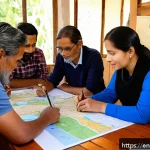
Forget the top-down approach. Rural tourism thrives on collaboration and mutual respect. Early in my career, I made the mistake of assuming I knew what was best for a small town in the Ozarks. I came in with all these fancy ideas about attracting tourists, without really listening to the needs and concerns of the locals. Big mistake! The community resented the intrusion, and my plans quickly fell apart. I learned a valuable lesson: you have to earn the trust of the community before you can even begin to think about tourism development. Now, I always start by sitting down with community leaders, business owners, and residents to understand their vision for the future. I ask them about their challenges, their strengths, and their aspirations. Only then can we begin to develop a tourism strategy that benefits everyone.
Fostering Genuine Collaboration
1. Open Communication is Key: Establish clear channels for communication between tourism planners, local businesses, and community residents. Hold regular meetings, create online forums, and use social media to keep everyone informed and engaged. Transparency is essential for building trust and ensuring that everyone feels heard.
2. Empower Local Businesses: Give local businesses a seat at the table and support them in developing tourism products and services that align with the community’s values. Offer training programs, marketing assistance, and access to funding. When local businesses thrive, the entire community benefits.
3. Share the Benefits: Ensure that tourism revenue is reinvested back into the community. Use it to improve infrastructure, support local schools, fund community projects, and preserve cultural heritage. When residents see tangible benefits from tourism, they are more likely to support it.
Leveraging Technology Without Losing the Human Touch
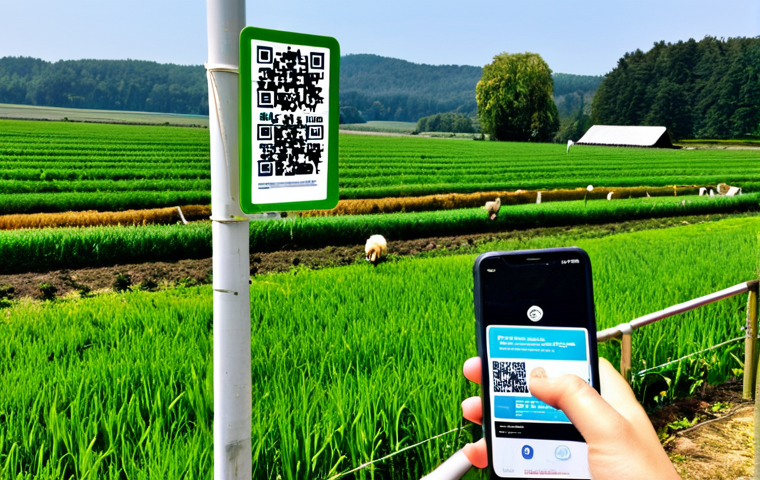
Technology can be a powerful tool for enhancing the rural tourism experience, but it’s important to use it in a way that complements, rather than replaces, the human element. I’ve seen some incredible examples of tech integration in rural tourism. For instance, using QR codes on historical buildings to unlock AR experiences that bring the past to life. Or employing GPS-enabled audio tours that guide visitors through scenic routes while sharing stories about the local landscape. However, I’ve also seen instances where technology has backfired, creating impersonal and sterile experiences that alienate visitors. The key is to strike a balance between convenience and authenticity.
Smart Tech Integration
1. Enhance, Don’t Replace: Use technology to enhance the visitor experience, not to replace human interaction. For example, a self-guided tour app can provide additional information and context, but it shouldn’t replace the opportunity to chat with a local guide.
2. Prioritize User Experience: Make sure your technology is user-friendly and accessible to everyone, regardless of their tech skills. Conduct user testing to identify any pain points and make necessary improvements.
3. Showcase Local Culture: Use technology to showcase the unique culture and heritage of the community. Create virtual tours of historical sites, offer online cooking classes featuring local recipes, or develop interactive games that teach visitors about local traditions.
Embracing Sustainable and Responsible Tourism Practices
It’s no longer enough to simply attract tourists; we must do so in a way that minimizes our environmental impact and benefits local communities. I recently worked with a winery in Napa Valley that was committed to sustainable tourism. They implemented a comprehensive recycling program, used solar panels to power their operations, and partnered with local farmers to source organic ingredients for their restaurant. They also offered educational tours that highlighted their sustainable practices and inspired visitors to adopt more eco-friendly habits. As a result, they not only reduced their environmental footprint but also attracted a growing number of eco-conscious travelers who were willing to pay a premium for their values-driven experience.
Eco-Conscious Strategies
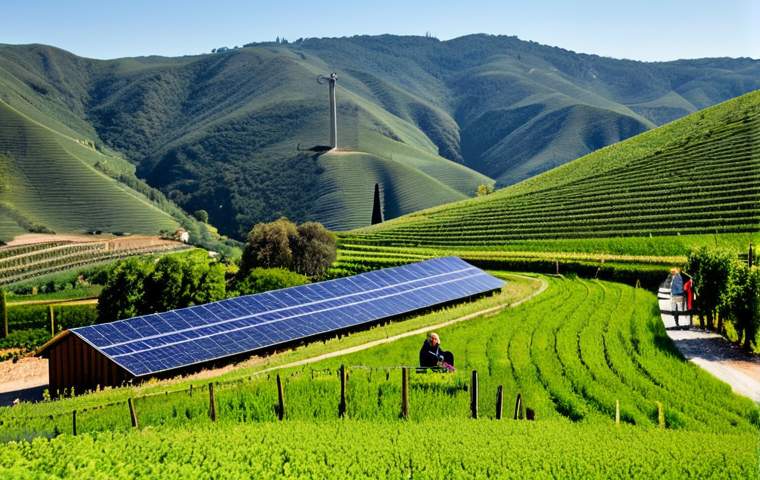
1. Minimize Environmental Impact: Implement measures to reduce your carbon footprint, conserve water, and protect natural resources. Use sustainable transportation options, promote responsible waste management, and support local conservation efforts.
2. Support Local Economies: Source products and services from local businesses, hire local employees, and promote fair trade practices. This helps to create economic opportunities for the community and ensures that tourism revenue stays within the region.
3. Educate and Engage Visitors: Raise awareness about sustainability issues and encourage visitors to adopt responsible travel habits. Offer educational tours, provide information about local conservation efforts, and promote eco-friendly activities.
Data-Driven Decision Making
In today’s digital age, data is king. Understanding visitor demographics, preferences, and behaviors is crucial for making informed decisions and optimizing your tourism strategy.
Using Data to Your Advantage
1. Collect Relevant Data: Use surveys, website analytics, social media monitoring, and other tools to gather data about your visitors. Focus on collecting information that is relevant to your specific goals and objectives.
2. Analyze the Data: Use data analytics software to identify patterns and trends in your visitor data. Look for insights that can help you improve your marketing efforts, enhance your visitor experience, and optimize your operations.
3. Implement Data-Driven Strategies: Use the insights you gain from your data analysis to develop and implement data-driven strategies. For example, you might use data to personalize your marketing messages, target specific demographics, or optimize your pricing strategy.
Navigating Crisis Management in Rural Tourism
Rural areas, while idyllic, aren’t immune to crises – natural disasters, economic downturns, or even public health emergencies. Being prepared is crucial.
Crisis Preparedness
1. Develop a Comprehensive Plan: Create a crisis management plan that outlines the steps you will take to respond to different types of emergencies. Include protocols for communication, evacuation, and resource allocation.
2. Build Strong Relationships: Establish strong relationships with local authorities, emergency responders, and community organizations. These relationships will be invaluable in the event of a crisis.
3. Communicate Effectively: Keep your stakeholders informed about the situation and your response efforts. Use clear, concise language and provide regular updates.Here is an example of a table that summarizes key aspects of rural tourism planning:
| Aspect | Description | Key Considerations |
|---|---|---|
| Storytelling | Crafting narratives that connect visitors to the local culture and history. | Authenticity, sensory details, local voices. |
| Community Partnerships | Building collaborative relationships with local businesses and residents. | Open communication, empowerment, shared benefits. |
| Technology Integration | Using technology to enhance the visitor experience without sacrificing the human touch. | Enhancement, user experience, showcasing local culture. |
| Sustainability | Implementing responsible tourism practices that minimize environmental impact. | Minimizing impact, supporting local economies, education. |
| Data Analysis | Using data to inform decision-making and optimize tourism strategies. | Relevant data, analysis, strategy implementation. |
| Crisis Management | Preparing for and responding to crises that may impact rural tourism. | Comprehensive plan, strong relationships, effective communication. |
Concluding Thoughts
Rural tourism, when done right, is more than just a business; it’s a way to celebrate and preserve the unique character of a place. By weaving compelling stories, building genuine partnerships, and embracing technology responsibly, we can create enriching experiences for visitors while strengthening the fabric of rural communities. It’s about finding that sweet spot where economic growth meets cultural preservation, where tourism becomes a force for good.
Handy Tips
1. Network Like a Pro: Attend industry conferences, join tourism associations, and connect with other professionals in the field. Sharing ideas and experiences can lead to valuable collaborations and insights.
2. Master Social Media Marketing: Create engaging content, run targeted ad campaigns, and interact with your followers. Use platforms like Instagram, Facebook, and Pinterest to showcase the beauty and charm of your rural destination. Consider hiring a local photographer or videographer to create stunning visuals.
3. Partner with Influencers: Collaborate with travel bloggers, vloggers, and social media influencers to promote your rural tourism offerings. Offer them complimentary experiences in exchange for honest reviews and exposure to their audience. Make sure to choose influencers who align with your brand and target market.
4. Invest in Professional Photography: High-quality photos are essential for showcasing the beauty of your rural destination. Hire a professional photographer to capture stunning images of your landscapes, attractions, and accommodations. Use these photos in your marketing materials, website, and social media channels.
5. Embrace Email Marketing: Build an email list and send out regular newsletters to keep your audience informed about your latest offerings, events, and promotions. Use email marketing to nurture leads, drive bookings, and build relationships with your customers.
Key Takeaways
Focus on authenticity in storytelling, leveraging genuine local voices and sensory details to create memorable experiences.
Prioritize community involvement and benefit-sharing in all tourism initiatives.
Use technology to enhance, not replace, the human element of rural tourism.
Adopt sustainable practices to minimize environmental impact and support local economies.
Utilize data to inform decision-making and optimize your tourism strategies.
Frequently Asked Questions (FAQ) 📖
Q: What’s the biggest mistake people make when planning rural tourism experiences?
A: From what I’ve seen, it’s forgetting the “local” part! Too often, planners try to impose urban ideas on rural settings, ignoring the unique character and needs of the community.
I remember this one time a group wanted to build a massive water park in a tiny farming village. It flopped big time. The locals didn’t need a water park; they needed support for their farms and a way to showcase their heritage.
The real magic happens when you collaborate with locals, listen to their stories, and let them lead the way. Authentic experiences are built from the ground up, rooted in the local culture.
It’s about highlighting what makes each place special, not turning it into a generic tourist trap.
Q: How can augmented reality (
A: R) truly enhance the rural tourism experience and not just feel like a gimmick? A2: Okay, so AR can be super cool, but you’re right, it can also feel forced.
The key, based on what I’ve witnessed, is to use it to deepen the connection to the place, not distract from it. I saw an AR app at an apple orchard recently that blew me away.
You could point your phone at a tree, and it would show you the history of that specific variety of apple, along with videos from the farmer explaining how they care for the orchard.
It wasn’t just a flashy animation; it was a genuine learning experience that made me appreciate the orchard so much more. The AR needs to offer valuable insights, tell stories, and enhance the existing environment, not replace it.
Think about things like historical overlays of old farmsteads or interactive guides to local flora and fauna.
Q: Everyone talks about sustainable tourism. What are some concrete ways to actually implement it in a rural setting?
A: Sustainability isn’t just a buzzword; it’s about ensuring the long-term viability of these rural communities. From my experience, it all starts with small, impactful changes.
For example, encourage local farmers to supply ingredients for farm-to-table restaurants or promote eco-friendly transportation options, like bike rentals or electric vehicle charging stations.
I visited a small village in Vermont that had banned single-use plastics and invested heavily in composting and recycling programs. It not only reduced their environmental impact but also created jobs in the waste management sector.
Another thing I’ve seen work wonders is promoting agritourism that educates visitors about sustainable farming practices. Think workshops on organic gardening or tours of renewable energy installations on farms.
It’s about fostering a sense of responsibility and showing visitors that they can be part of the solution.
📚 References
Wikipedia Encyclopedia
2. Mastering the Art of Storytelling in Rural Tourism
It’s one thing to show someone a beautiful landscape; it’s another to make them feel the history, the struggles, and the triumphs of the people who call it home. I remember this one time in Vermont, helping a local farm set up agritourism events. Initially, they were just offering tours of their maple syrup operation. It was informative, sure, but attendance was meh. We brainstormed, and I suggested weaving the story of the family – generations of maple farmers battling unpredictable weather and economic downturns – into the tour. We added personal anecdotes, historical photos, and even a tasting session with different grades of syrup, each representing a chapter in their family’s history. The transformation was incredible. People weren’t just tasting syrup; they were tasting history, resilience, and a sense of place. Suddenly, the farm was booked solid for months!
Crafting Narratives That Resonate